Mastering Jibata Looms & Kasuri Weaving Methods in 2026
The Renaissance of Japanese Hand-Weaving in 2026
In 2026, the global slow fashion movement has catalyzed a massive resurgence in traditional textile arts, with Japanese hand-weaving methods taking center stage. Collectors, designers, and hobbyists are increasingly turning away from mass-produced fabrics in favor of the profound history, sustainability, and unmatched quality of heritage textiles. At the heart of this revival is the Jibata, the traditional Japanese floor loom, and the intricate Kasuri (ikat) weaving technique. Understanding these methods is no longer just for historians; it is a practical pursuit for modern artisans seeking to integrate Zen mindfulness and ancestral craftsmanship into their daily lives. This comprehensive guide explores the mechanics of the Jibata, the meticulous process of Kasuri, and how you can engage with these traditions in 2026.
Anatomy of the Jibata: The Traditional Floor Loom
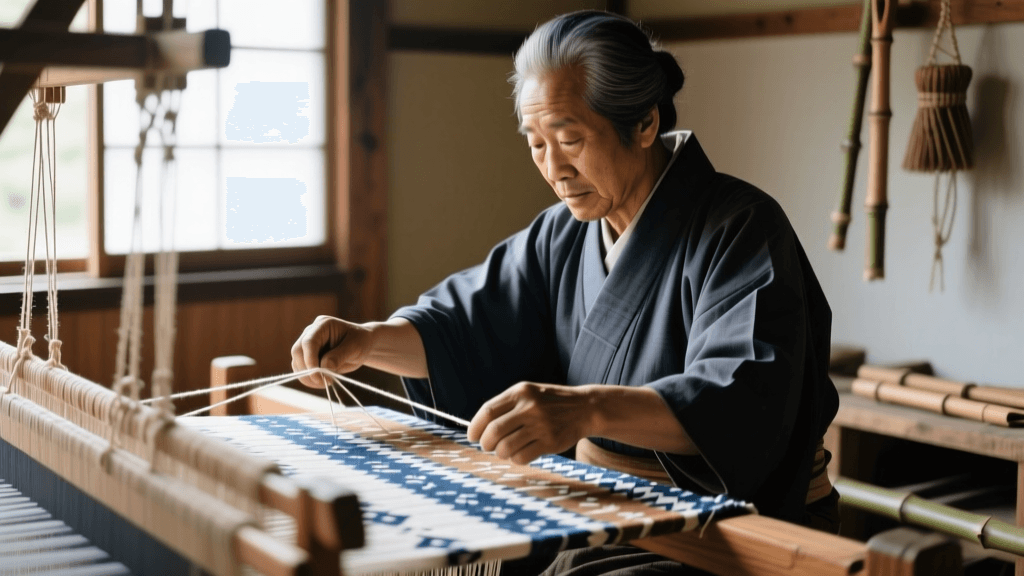
Unlike the heavy, rigid, and highly mechanized floor looms of European descent, the traditional Japanese Jibata is a masterclass in ergonomic, low-impact engineering. Designed to be operated while the weaver sits on a cushion on the floor, the Jibata relies heavily on the weaver’s body weight to maintain warp tension. This intimate physical connection between the artisan and the machine allows for an unparalleled tactile sensitivity to the yarn.
Key Components of the Jibata
- Chikiri (Warp Beam): The back beam where the warp threads are wound. On a traditional Jibata, this is often anchored or weighted, allowing the weaver to adjust tension simply by leaning forward or backward.
- Osa (Reed): Typically crafted from split bamboo rather than metal, the Osa beats the weft yarn into place. The bamboo provides a softer, more forgiving strike, which is essential when working with delicate, hand-spun cotton or silk.
- Hata (Shuttle): Carved from a single piece of dense hardwood, the shuttle is shaped like a sleek boat. Weavers throw and catch it with a rhythmic, fluid motion that becomes second nature after hours of practice.
- Ayatori (Heddle System): Traditional Jibata setups often utilize hand-manipulated heddle sticks or simple foot treadles, depending on the region. The simplicity of the tie-up allows for rapid pattern changes in complex Kasuri designs.
The Art of Kasuri: Resist-Dyeing and Weaving
Kasuri is Japan’s answer to the global ikat tradition, but it is distinguished by its precise, often geometric patterns and its deep association with indigo dyeing. The term 'Kasuri' translates roughly to 'blurred' or 'fuzzy,' referring to the characteristic halo effect where the dyed and undyed threads intersect during the weaving process. In 2026, authentic Kasuri remains one of the most highly sought-after textiles in the world of luxury artisanal fashion.
The process begins long before the loom is threaded. Artisans must first calculate the exact mathematical placement of the pattern. Bundles of warp and weft threads are tightly bound with hemp string or rubberized tape in specific intervals. These bound sections resist the dye when the bundles are submerged in vats of natural fermented indigo (sukumo). Depending on the complexity of the design, the threads may be dyed, unbound, and re-bound multiple times to achieve varying shades of blue. When finally woven on the Jibata, the dyed sections align to form crisp, yet beautifully softened, motifs.
The Zen Philosophy and Sensory Experience of the Loom
To weave on a Jibata is to engage in a moving meditation. The sensory experience of traditional Japanese weaving is profoundly grounding. The rhythmic clack-clack of the bamboo reed beating the weft, the soft swish of the wooden shuttle gliding through the shed, and the earthy, fermented aroma of natural indigo dye create an immersive environment that demands total presence. In 2026, many practitioners report that the repetitive, focused nature of Kasuri weaving serves as a powerful antidote to digital fatigue, offering a Zen-like mental clarity that aligns perfectly with the spiritual heritage of Japanese craftsmanship.
2026 Market Guide: Sourcing Equipment and Materials
Acquiring a functional Jibata and authentic Kasuri materials in 2026 requires navigating a specialized market. While antique looms are highly prized, modern adaptations are also available for those with limited space. Below is a current market breakdown for enthusiasts looking to invest in traditional weaving setups.
| Equipment / Material | 2026 Estimated Cost (USD) | Sourcing Location | Skill Level Required |
|---|---|---|---|
| Antique Jibata (Restored) | $2,500 - $4,500 | Kyoto Auction Houses, Mingei Dealers | Advanced |
| Modern Table Loom (Kasuri Adapted) | $800 - $1,200 | Specialty Importers, Louet (via JP Distributors) | Beginner |
| Hand-spun Indigo Cotton Yarn (per kg) | $150 - $220 | Kurume, Fukuoka Prefecture | All Levels |
| Traditional Bamboo Osa (Reed) | $120 - $180 | Nishijin Weaving Supply, Kyoto | Intermediate |
Step-by-Step: Preparing the Warp for Kasuri
Setting up a Kasuri warp on a Jibata is a test of patience and precision. Here is a streamlined overview of the preparation process for a standard Tate-yoko-gasuri (double ikat) motif:
- Drafting the Pattern: Use a grid-based drafting software or traditional graph paper to map out the intersecting points of the warp and weft. Every single thread must be accounted for.
- Measuring and Binding: Measure the warp threads on a warping mill. Bind the specific sections meant to remain white using tight, waxed hemp cord. The tension of the binding is critical; if it is too loose, the indigo will bleed and ruin the crispness of the pattern.
- Indigo Dyeing: Submerge the bound bundles in the indigo vat. Oxidize in the air, and repeat until the desired depth of blue is achieved. Rinse thoroughly and allow to dry completely in the shade.
- Threading the Heddles: Once dry, remove the bindings. Thread each warp end through the heddle eyes and the bamboo reed according to your draft. This step can take several days for a complex garment-length warp.
- Tensioning the Chikiri: Secure the warp beam and use your body weight to establish a firm, even tension across the entire width of the loom before throwing the first shuttle of weft yarn.
Preservation Hubs and Educational Resources in 2026
For those looking to study under master weavers or witness the creation of these textiles firsthand, Japan remains the ultimate destination. The preservation of these techniques is heavily supported by both government initiatives and international cultural organizations. The Association for the Promotion of Traditional Craft Industries maintains an up-to-date registry of certified master artisans and offers directories for workshops in historic weaving villages like Kurume in Fukuoka Prefecture and Matsuyama in Ehime Prefecture.
Furthermore, international recognition continues to protect and fund these methods. According to the UNESCO Intangible Cultural Heritage registry, the safeguarding of traditional Japanese textile practices is a global priority, ensuring that the knowledge of natural dye fermentation and Jibata loom construction is passed down to the next generation. For travelers planning a textile-focused itinerary, the Japan National Tourism Organization provides excellent regional guides highlighting open studios, Mingei (folk craft) museums, and cooperative dye houses where visitors can participate in introductory Kasuri binding workshops.
Whether you are an experienced weaver looking to transition from Western floor looms to the grounded intimacy of the Jibata, or a textile collector seeking to understand the profound labor behind a single yard of Kasuri, the traditions of Japanese hand-weaving offer a limitless well of inspiration, discipline, and beauty in 2026.