Kabuki, Noh and Bunraku Theater Kimonos 2026 Guide
Introduction to Japanese Theater Garments
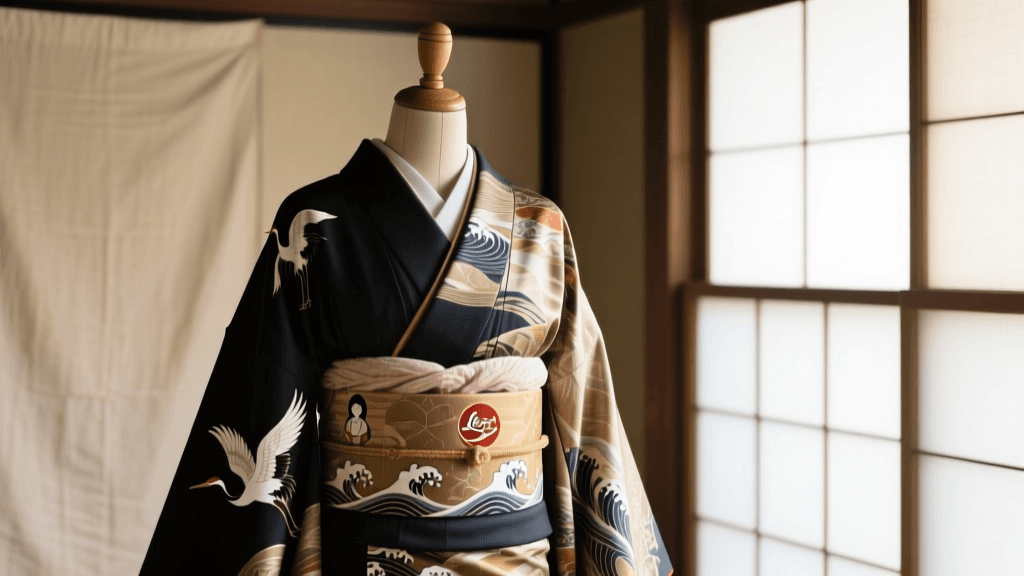
Japanese traditional theater forms—Kabuki, Noh, and Bunraku—are globally celebrated not only for their dramatic storytelling but also for their breathtaking sartorial artistry. As we navigate the cultural landscape of 2026, the intersection of historical preservation and modern textile collecting has brought theater kimonos into the spotlight among global collectors and fashion historians. These garments are not mere costumes; they are vital narrative tools that convey character, emotion, and social status before a single word is spoken or a single string is plucked. For collectors, historians, and fashion enthusiasts, understanding the nuanced differences between a Kabuki uchikake, a Noh karaori, and a Bunraku puppet kosode is essential. This comprehensive guide explores the construction, symbolism, and contemporary market for Japanese theater kimonos in 2026.
Kabuki Kimonos: Extravagance and Quick-Change Mechanics
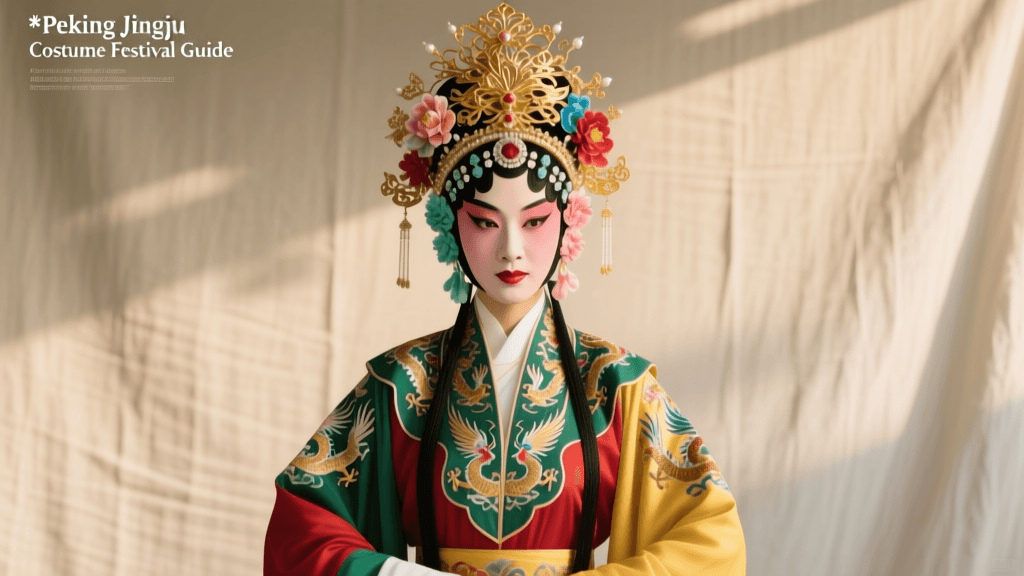
Kabuki theater is synonymous with visual extravagance and dynamic movement. Emerging in the Edo period, Kabuki costumes, known generally as isho, are designed to captivate audiences in large, brightly lit theaters. The most iconic Kabuki garment is the heavily padded and lavishly embroidered uchikake (outer robe). In 2026, authentic antique and high-end replica Kabuki kimonos remain highly sought after, often utilizing genuine gold thread and Nishijin-ori (brocade weaving) to catch the stage lights. The visual language of a Kabuki kimono is immediate: a bold red with pine motifs might signify a fierce warrior, while a pale, weeping-willow design denotes a tragic, ghostly heroine.
The Hikinuki Technique and Stage Engineering
One of the most thrilling aspects of Kabuki costume design is the hikinuki technique. This rapid, on-stage costume change is achieved by basting the outer kimono with specialized, easily snapped threads. At the climax of a scene, stage assistants (kurogo) pull these threads, causing the outer garment to instantly fall away and reveal a completely different kimono underneath. This dramatic reveal symbolizes a sudden shift in the character’s emotion, allegiance, or supernatural nature. The engineering required for a hikinuki kimono is immense, requiring reinforced seams, precise weight distribution, and strategic tailoring so the fabric falls flawlessly in a fraction of a second. According to the UNESCO Kabuki Theatre heritage designation, these sartorial mechanics are as vital to the art form as the acting itself, representing a pinnacle of functional textile engineering.
Noh Theater Costumes: Subtlety, Layering, and Symbolism
In stark contrast to Kabuki’s flamboyance, Noh theater relies on the aesthetic principle of yugen—a profound, mysterious sense of the beauty of the universe. Noh costumes (shozoku) are masterclasses in subtlety, layering, and textile innovation. Recognized globally for its spiritual depth, Nohgaku theater demands garments that transform the human actor into a divine, ghostly, or demonic entity. The costumes are designed to obscure the human form, utilizing heavy, stiff fabrics that create a rigid, bell-like silhouette, which in turn enhances the illusion of the carved wooden mask being worn.
Key Noh Garments: Karaori and Nuihaku
The karaori is a quintessential Noh garment worn by female characters (played by male actors). Despite its name, which translates to "Chinese weave," it is a distinctly Japanese brocade technique characterized by floating weft threads that create a raised, embroidered appearance without actual needlework. The stiffness of the karaori is intentional, holding the fabric away from the body to create an imposing, statuesque presence. Another vital piece is the nuihaku, an inner robe featuring intricate embroidery and surihaku (pressed gold or silver leaf). The application of surihaku requires applying lacquer to the silk and pressing metal leaf into the design, a painstaking process that makes authentic Noh garments incredibly valuable. As noted by the UNESCO Intangible Cultural Heritage registry for Nohgaku, the preservation of these specific weaving and leafing techniques is a cornerstone of Japanese cultural continuity.
Bunraku Puppet Kimonos: Miniature Masterpieces
Bunraku, or ningyo joruri, is Japan’s traditional puppet theater. The puppets, which are roughly one-half to two-thirds life-size, require kimonos that are masterpieces of miniature tailoring. Unlike human garments, Bunraku kimonos must accommodate the complex mechanics of three puppeteers who manipulate the head, left hand, and right hand simultaneously. The textiles used are often scaled-down versions of full-sized Edo-period patterns, requiring extraordinary precision from the weavers and dyers to ensure the motifs do not look comically oversized on the puppet's frame.
Tailoring for Puppet Mechanics
The sleeves (sode) and the lower hem (suso) of a Bunraku kimono are specially weighted and cut to allow for fluid, realistic movement despite the puppet's rigid internal wooden structure. The armholes and side seams are often left partially open or uniquely gusseted so the puppeteers' hands can operate the internal rods without bunching the silk. In 2026, Bunraku kimonos are incredibly rare on the open collector's market, as most remain in the custody of the National Theatre of Japan or prominent regional puppet troupes. When they do surface, they are prized by miniature textile collectors and doll artisans for their impeccable, scaled-down craftsmanship.
Comparison Chart: Kabuki vs. Noh vs. Bunraku Kimonos
Understanding the distinct characteristics of each theater style is crucial for proper identification and valuation. Below is a comparative breakdown of the three major Japanese theater kimono styles as they stand in the 2026 collector's market.
| Theater Type | Primary Garment | Textile Technique | Visual Aesthetic | 2026 Market Price (USD) |
|---|---|---|---|---|
| Kabuki | Uchikake / Hikinuki | Nishijin-ori, heavy embroidery | Bold, high-contrast, dynamic | $3,500 - $12,000+ |
| Noh | Karaori / Nuihaku | Floating weft brocade, Surihaku | Subtle, stiff, symbolic, layered | $8,000 - $25,000+ |
| Bunraku | Puppet Kosode | Yuzen dyeing, scaled weaving | Miniature, fluid, mechanically tailored | $2,000 - $7,000 (Rare) |
Collecting and Sourcing Theater Kimonos in 2026
The market for Japanese theater kimonos has evolved significantly by 2026. With a renewed global interest in sustainable, historically significant fashion and textile art, auction houses in Tokyo, Kyoto, and London have seen a surge in demand for verified stage garments. However, purchasing a theater kimono requires a discerning eye and an understanding of provenance.
Authentication and Provenance
When sourcing a Kabuki or Noh kimono, authentication is paramount. True stage garments will often bear the stamp or handwritten inscription of the specific theater troupe, the lead actor, or the Nishijin weaving house that commissioned the piece. For Noh garments, look for the distinct stiffness in the brocade and the presence of surihaku gold leaf, which ages with a specific, unmistakable patina. Kabuki hikinuki garments can be identified by examining the inner seams for reinforced basting points and hidden snap-threads that were used for quick changes. Collectors should always request a certificate of provenance or a tomesode registration document when purchasing from high-end dealers in Kyoto's Gion district or through international Asian art auctions.
Preservation Standards for Antique Stage Silks
Theater kimonos are often heavier and more densely woven than everyday garments, making them susceptible to gravity-induced stress and humidity damage. In 2026, the gold standard for preserving these textiles at home involves strict climate control. Noh and Kabuki silks must be stored flat in acid-free, unbuffered tissue paper within archival-grade textile boxes. The ambient relative humidity (RH) should be maintained strictly between 50% and 55%, with a stable temperature of around 65°F (18°C). Displaying these garments requires specialized, UV-filtered acrylic vitrines with low-lumen, cool LED lighting to prevent the gold threads and natural dyes from degrading. Never hang a heavy Kabuki uchikake on a standard hanger, as the sheer weight of the embroidery will tear the antique silk shoulders over time; instead, use a padded, wide-shouldered archival mannequin form designed specifically for heavy Asian textiles.
Conclusion
The kimonos of Kabuki, Noh, and Bunraku theaters are far more than historical costumes; they are wearable sculptures that embody the zenith of Japanese textile engineering and dramatic storytelling. Whether you are captivated by the explosive visual mechanics of a Kabuki quick-change, the spiritual, woven subtleties of a Noh karaori, or the miniature marvels of Bunraku puppetry, these garments offer a profound window into Asian traditions. As the collector market continues to mature in 2026, preserving and studying these magnificent textiles ensures that the artistry of Japan's historic stages will continue to inspire generations to come.