Japanese Traditional Garments: Kimono & Hakama 2026 Guide
The landscape of Japanese traditional garments has evolved beautifully by 2026, blending centuries-old craftsmanship with contemporary global fashion sensibilities. Whether you are a dedicated textile collector, a cultural enthusiast, or someone preparing for a formal tea ceremony, understanding the intricate nuances of Japanese dress is essential. This comprehensive guide explores the definitive types of Japanese garments, how to source them in the current 2026 market, and the precise care required to maintain these wearable masterpieces.
The Core Japanese Garments: A Complete Breakdown
Japanese clothing, broadly referred to as wafuku, is categorized by formality, seasonality, and the marital status or age of the wearer. While Western clothing (yofuku) dominates daily life, traditional garments remain vital for ceremonies, festivals, and increasingly, high-fashion streetwear.
1. The Kimono
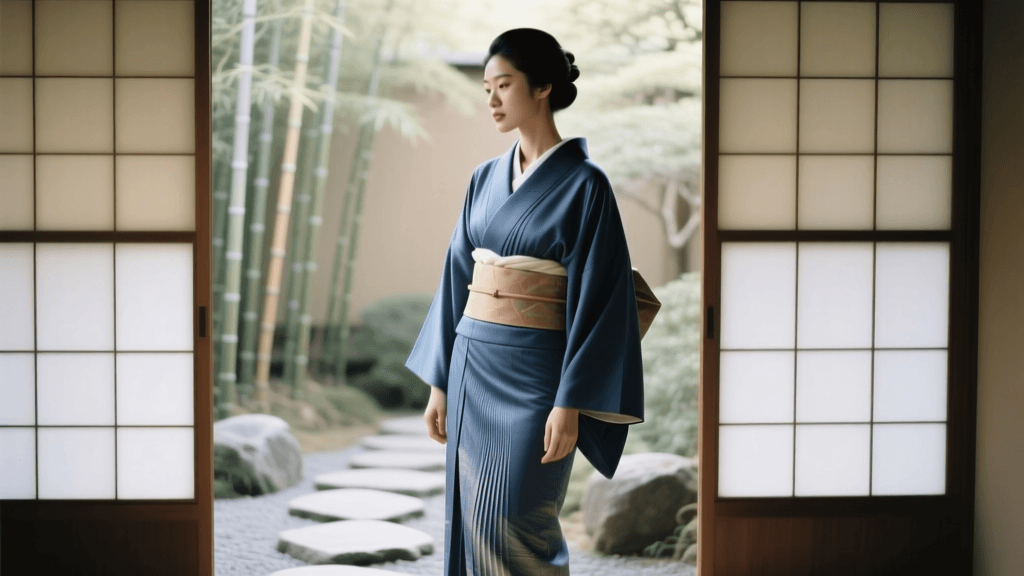
The kimono is the foundational T-shaped garment of Japan. Translating literally to the concept of a "thing to wear," its formality is dictated by fabric, color, and crest (mon) placement. According to the Victoria and Albert Museum's extensive textile archives, the kimono's straight-line construction allows for versatile layering and complete disassembly for cleaning or reweaving.
- Furisode: The most formal kimono for unmarried women, characterized by dramatically long, swinging sleeves (often 100cm to 110cm). In 2026, a bespoke silk Furisode from a master Nishijin weaver averages between ¥450,000 and ¥800,000.
- Tomesode: The formal equivalent for married women. Kurotomesode (black) is the highest formal tier, while Irotomesode (colored) is slightly less formal. Both feature patterns restricted to the lower half of the skirt.
- Houmongi: "Visiting wear" suitable for both married and unmarried women. The pattern flows seamlessly across the seams when the garment is laid flat.
- Komon: Casual, everyday kimono featuring small, repeating patterns. The 2026 vintage market has seen a massive surge in upcycled Komon being styled with modern belts for everyday streetwear.
2. The Yukata
Originally worn as a bathrobe by the nobility, the Yukata is an unlined, casual summer garment made primarily of cotton or hemp. By 2026, sustainable organic indigo-dyed hemp blends have become the premium standard for high-end Yukata, offering superior breathability during Japan's humid summers. Unlike the kimono, the Yukata is worn directly over undergarments without the need for a nagajuban (under-kimono).
3. The Hakama
Hakama are wide, pleated trousers or divided skirts worn over a kimono. Traditionally worn by samurai, they are now standard attire for martial artists (kendo, aikido), Shinto shrine maidens (miko), and university students during graduation ceremonies. A formal silk Hakama features exactly seven pleats (five in front, two in back), representing the seven virtues of the samurai.
4. The Haori
The Haori is a hip- or thigh-length jacket worn open over the kimono. It adds a layer of formality and warmth. In contemporary 2026 fashion, vintage Haori are frequently worn open over plain t-shirts and tailored trousers, bridging the gap between traditional Edo-period aesthetics and modern minimalist wardrobes.
2026 Sourcing & Market Trends
Sourcing authentic Japanese garments requires navigating a mix of heritage artisans and booming digital vintage markets. As highlighted by the Japan National Tourism Organization's cultural heritage initiatives, preserving traditional textile techniques is a national priority in 2026.
Bespoke vs. Vintage: Commissioning a new, hand-painted Yuzen kimono directly from a Kyoto atelier requires a lead time of 6 to 12 months and an investment starting at $3,000 USD. Conversely, the 2026 vintage market—fueled by platforms specializing in authenticated antique wafuku—allows collectors to acquire high-quality mid-Showa era silk kimono for $150 to $400 USD.
Accessories: Do not overlook the obi (sash). A formal Maru Obi can cost more than the kimono itself. For beginners in 2026, pre-tied tsuke obi (clip-on sashes) made from sustainable jacquard weaves offer a flawless silhouette without the steep learning curve of tying a traditional Taiko Musubi knot.
Garment Comparison & 2026 Pricing Guide
| Garment Type | Formality Level | Primary Material | 2026 Avg. Retail Price (USD) |
|---|---|---|---|
| Furisode | High (Unmarried Women) | Silk (Yuzen Dye) | $2,500 - $5,000+ |
| Kurotomesode | High (Married Women) | Silk with Gold Leaf | $1,800 - $4,000 |
| Komon | Casual / Everyday | Silk / Washable Blend | $300 - $800 |
| Yukata | Casual (Summer) | Cotton / Hemp | $80 - $350 |
| Hakama | Formal / Ceremonial | Silk / Heavy Polyester | $150 - $700 |
| Haori | Semi-Formal / Layering | Silk / Jacquard | $200 - $1,200 |
Measurements, Construction, and the Tanmono
Unlike Western tailoring, which cuts fabric to match the body's curves, traditional Japanese garments are constructed from a single bolt of fabric known as a tanmono. A standard women's tanmono measures approximately 36 centimeters in width and 12 meters in length. This narrow width dictates the straight-line cutting method.
The kimono is made from eight rectangular pieces (two body panels, two sleeves, two overlapping front panels, and two collar pieces). Because the fabric is rarely cut on a curve, almost zero textile waste is generated during production. Furthermore, this construction allows the garment to be completely un-stitched, washed or re-dyed, and sewn back together. In 2026, this zero-waste philosophy is highly celebrated by global sustainable fashion advocates.
Sizing: Kimono are generally sized by length rather than width. The ideal length of a women's kimono is equal to the wearer's height. Excess fabric is folded and tied at the waist using the ohashori tuck, which sits just under the obi. Men's kimono, however, are worn without an ohashori, meaning they must be tailored to the exact height of the wearer.
Modern Care & Maintenance in 2026
Preserving silk and natural dyes requires specific environmental controls. The traditional method of storing kimono in a tansu (a wooden chest) remains the gold standard. Paulownia wood (kiri) is preferred because it naturally regulates humidity and repels insects.
"Proper storage is the difference between a silk garment lasting a decade and lasting a century. The breathability of Paulownia wood prevents the trapped moisture that leads to irreversible mold staining on vintage silks." — 2026 Kyoto Textile Preservation Society Guidelines.
Cleaning: Traditional kimono are rarely washed in water. The historical method of arai-hari involves taking the garment apart, washing the flat panels, and stretching them on bamboo frames to dry. Today, specialized eco-friendly dry cleaning solvents are used by certified wafuku cleaners to treat silk without stripping the natural sericin proteins. For minor stains, spot-cleaning with a specialized Japanese starch paste (shiro-nori) is applied, allowed to dry, and brushed off, lifting the oil and dirt from the fibers.
Airing Out: It is critical to air out your garments at least twice a year. In 2026, the recommended practice is to hang kimono in a shaded, well-ventilated room with a dehumidifier running for 24 hours during the dry winter months and the crisp autumn days. Never expose vintage silk to direct sunlight, as UV radiation will rapidly degrade the protein fibers and fade natural botanical dyes.
Conclusion
Navigating the world of Japanese traditional garments in 2026 is a rewarding journey into one of the world's most sophisticated textile histories. Whether you are investing in a bespoke Furisode for a milestone celebration, adopting a vintage Haori for contemporary layering, or mastering the pleats of a Hakama, understanding the construction, formality, and care of these garments ensures they will endure for generations to come. By respecting the traditional rules of wear while embracing modern sustainable sourcing, you contribute to the living legacy of Japanese sartorial arts.