Kimono vs Hanbok vs Cheongsam: 2026 Fit & Style Guide
Introduction to Asian Sartorial Heritage in 2026
The global fashion landscape of 2026 has witnessed an unprecedented renaissance of traditional Asian garments. No longer confined to ceremonial occasions or museum archives, the kimono, hanbok, and cheongsam (qipao) have been reimagined for contemporary wardrobes. Driven by a growing appreciation for slow fashion, sustainable textiles, and cultural heritage, modern consumers are integrating these iconic silhouettes into everyday street style and professional environments. However, navigating the structural differences, fitting requirements, and styling nuances of these three distinct garments can be daunting for newcomers and enthusiasts alike.
Understanding the architectural foundations of each garment is essential for achieving the perfect fit and honoring their cultural origins. According to the Metropolitan Museum of Art, the evolution of Asian dress is deeply intertwined with regional textile innovations and societal shifts. In this comprehensive guide, we deconstruct the kimono, hanbok, and cheongsam, comparing their silhouettes, 2026 fabric technologies, and modern styling techniques to help you build a culturally appreciative and sartorially stunning wardrobe.
The Kimono: Linear Elegance and Modular Layering
Structural Anatomy and Silhouette
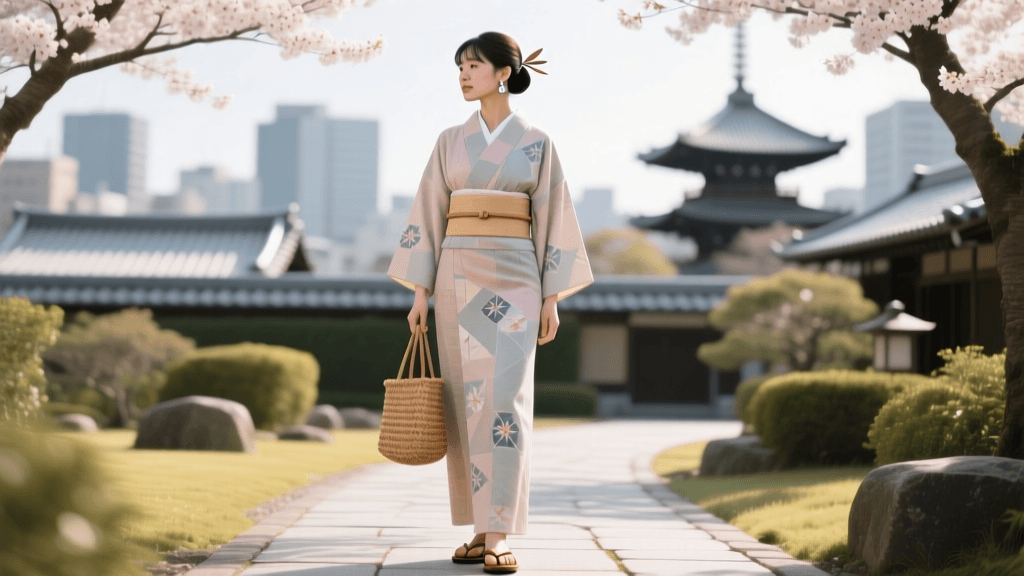
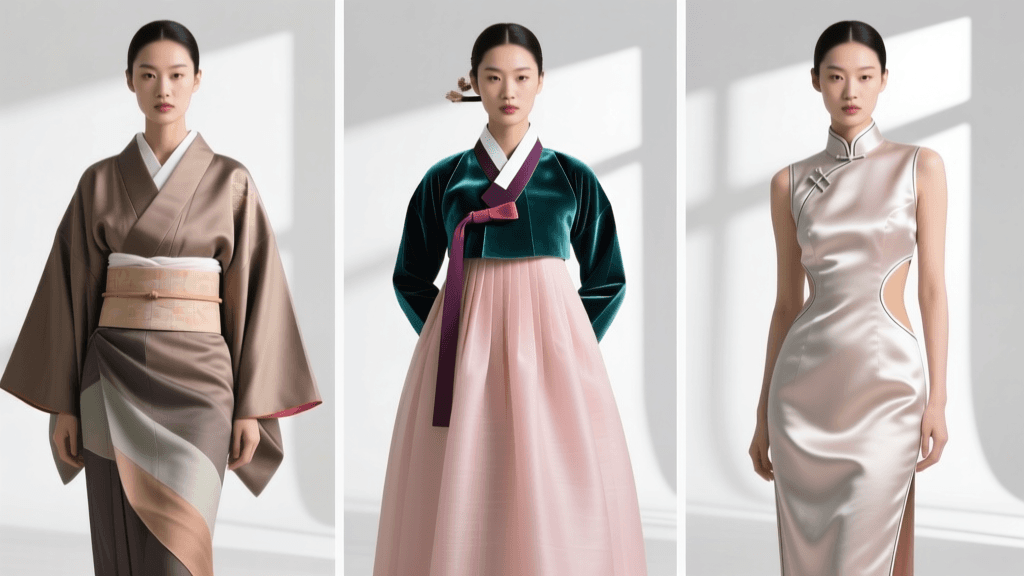
The Japanese kimono is defined by its T-shaped, straight-seamed construction. Unlike Western garments that are cut to follow the curves of the body, the kimono is a flat, modular garment that creates its silhouette through wrapping and the strategic use of the obi (sash). The standard kimono features a body panel (mi-goro), overlapping front panels (okumi), and detached sleeves (sode) that hang independently. The aesthetic focus is on the surface design of the textile and the cylindrical, columnar shape it creates on the wearer.
2026 Fabric Innovations and Modern Styling
In 2026, the kimono market has been revolutionized by climate-responsive and easy-care textiles. While traditional silk (kinu) remains the gold standard for formal wear, everyday kimonos are increasingly crafted from advanced washable poly-blends and recycled cellulose fibers that mimic the drape of chirimen (crepe silk) without the high maintenance. The 'two-piece kimono' (futatsu-gi), which separates the top and skirt for easier wrapping, has become a dominant trend in Tokyo's Harajuku and Daikanyama districts, appealing to younger demographics seeking quick-dress solutions.
For modern styling, minimalist obi knots like the streamlined bunko or the sleek kai-no-kuchi are preferred to avoid excessive bulk under modern outerwear. In 2026, it is highly fashionable to pair a short-hemmed kimono with tailored wide-leg trousers and sleek, square-toed leather boots, bridging the gap between Edo-period elegance and contemporary tech-wear aesthetics.
The Hanbok: Volumetric Flow and High-Waisted Grace
Structural Anatomy and Silhouette
The Korean hanbok is celebrated for its dynamic, volumetric silhouette, characterized by the juxtaposition of a fitted upper garment and a dramatically flared lower garment. For women, this consists of the jeogori (a short, cropped jacket) and the chima (a high-waisted, full, bell-shaped skirt). For men, the jeogori is longer and paired with baji (roomy, tied trousers). The Korean Culture and Information Service notes that the hanbok's design historically allowed for ease of movement and reflected the wearer's social status through color and fabric quality.
The structural anchor of the women's hanbok is the goreum, the long, flowing ribbon used to tie the jeogori just below the bust. This high empire waistline creates an elongating effect, making the legs appear infinitely long while allowing the chima to flow gracefully with every step.
2026 Fabric Innovations and Modern Styling
The 'Saenghwal Hanbok' (daily life hanbok) movement has matured significantly by 2026. Designers are utilizing lightweight, structured organza made from recycled PET plastics, as well as breathable, sustainable ramie blends that hold the bell shape without the heavy layering of traditional cotton petticoats (sok-chima). Modern jeogori often feature hidden magnetic closures or streamlined snap-buttons alongside the traditional goreum for practicality.
Styling the hanbok in 2026 leans into romantic, ethereal streetwear. Cropped, sheer jeogori layered over modern turtlenecks or paired with high-waisted denim skirts are common sights in Seoul. For formal iterations, monochromatic color palettes—such as deep charcoal chima paired with a muted silver jeogori—have replaced the historically vibrant primary colors, aligning the hanbok with modern minimalist luxury.
The Cheongsam (Qipao): Tailored Contour and Sculpted Lines
Structural Anatomy and Silhouette
Originating in China, the cheongsam (or qipao) stands in stark contrast to the flat geometry of the kimono and the volumetric flow of the hanbok. The cheongsam is a masterclass in tailored contouring. Its defining features include a stiff mandarin collar (li-ling), an asymmetrical front flap secured by intricate knotted buttons (pankou), and strategic side slits that facilitate movement while hinting at the leg. According to Encyclopædia Britannica, the modern, form-fitting iteration of the qipao was popularized in 1920s Shanghai, blending traditional Manchu elements with Western tailoring techniques like darts and set-in sleeves.
2026 Fabric Innovations and Modern Styling
While traditional silk brocade and velvet remain popular for winter and formal events, 2026 has seen a surge in the use of 3D-knitted seamless textiles and stretch crepe silks. These materials allow for a bespoke, body-conforming fit without the restrictive rigidity of older, non-stretch fabrics. Furthermore, 'peace silk' (ahimsa silk), harvested without harming the silkworm, has become the ethical standard for high-end qipao designers in Shanghai and Hong Kong.
Modern styling of the cheongsam in 2026 frequently involves playing with proportions. The A-line qipao, which flares gently from the waist rather than clinging to the hips, has become a staple for professional environments. Layering is also key: a sleeveless, midi-length cheongsam worn under an oversized, structured wool blazer creates a powerful, cosmopolitan silhouette perfect for the modern boardroom or evening gallery openings.
Comparative Analysis: Silhouette, Fit, and Function
To easily compare the structural and functional differences between these three iconic garments, refer to the 2026 comparison matrix below:
| Feature | Kimono (Japan) | Hanbok (Korea) | Cheongsam / Qipao (China) |
|---|---|---|---|
| Primary Silhouette | Cylindrical, linear, T-shaped | Bell-shaped, high-waisted, volumetric | Form-fitting, contoured, sculpted |
| Primary Fastening | Obi (sash) and ties (koshi-himo) | Goreum (ribbon tie) or hidden snaps | Pankou (knotted buttons) and zippers |
| 2026 Trend Fabric | Washable poly-crepe, recycled cellulose | Recycled PET organza, breathable ramie | Stretch peace silk, 3D-knitted blends |
| Tailoring Requirement | Low (flat pattern, adjusted via folding) | Medium (skirt length and jacket width) | High (requires precise bust/waist/hip darts) |
| Mobility Factor | Restricted stride (narrow hem opening) | High mobility (full skirt, loose trousers) | Moderate (dependent on slit height and stretch) |
Sizing, Tailoring, and Purchasing in 2026
Purchasing traditional garments in 2026 requires a shift away from standard Western sizing (S, M, L). Because the kimono and hanbok rely on wrapping and tying, they are inherently more forgiving in terms of weight fluctuations. When buying a kimono, the critical measurement is the yuki (the distance from the center back of the neck, over the shoulder, to the wrist). A proper yuki ensures the sleeves fall elegantly without exposing the wrists or swallowing the hands.
The cheongsam, conversely, demands exactitude. When ordering a bespoke or made-to-measure qipao, you must provide precise measurements for the high bust, full bust, natural waist, high hip, full hip, and shoulder width. In 2026, many heritage tailors in Hong Kong and Shanghai utilize AI-assisted 3D body scanning via smartphone apps to guarantee a flawless fit for international clients, reducing the need for multiple in-person fittings. Expect to invest anywhere from $400 to $1,500 for a high-quality, ethically sourced, made-to-measure cheongsam, while a complete, modern everyday hanbok set typically ranges from $150 to $350.
Care, Maintenance, and Preservation
The longevity of these garments depends heavily on proper maintenance. While 2026 textile advancements have introduced machine-washable options for everyday kimonos and hanboks, formal silk iterations still require specialized care. Never hang a traditional silk kimono or hanbok on standard wire hangers; the weight of the wet fabric will distort the straight seams. Instead, they should be spot-cleaned or taken to a dry cleaner specializing in heritage Asian garments, then folded flat using acid-free tissue paper to prevent permanent creasing.
Cheongsams should always be hung on padded, wide-shouldered hangers to maintain the structure of the set-in sleeves and prevent shoulder dimples. The delicate pankou knots should be carefully unfastened before storage to prevent the fabric loops from stretching out of shape over time. By understanding the unique architectural needs of the kimono, hanbok, and cheongsam, you can ensure these magnificent pieces of living history remain a vibrant part of your 2026 wardrobe for decades to come.