A Guide to Everyday Japanese Wear: Yukata and Komon
The Renaissance of Everyday Japanese Traditional Wear
When most people think of Japanese traditional clothing, they envision highly formal, meticulously layered silk garments reserved for weddings, tea ceremonies, or coming-of-age ceremonies. However, the reality of Japanese fashion history—and its vibrant contemporary revival—is deeply rooted in everyday, casual wear. Today, a growing global community of enthusiasts and Japanese locals alike are integrating traditional garments into their daily wardrobes. According to the Victoria and Albert Museum, the kimono's evolution has always been driven by the daily lives, merchant classes, and street fashion of urban centers like Kyoto and Edo (modern-day Tokyo).
For the modern wearer looking to embrace Asian traditions in a practical, daily context, two garments stand out as the pillars of casual Japanese fashion: the yukata and the komon. This guide will provide actionable advice on how to select, size, style, and maintain these garments for contemporary everyday life.
Understanding Your Options: Yukata vs. Komon
Before building a casual traditional wardrobe, it is essential to understand the distinction between the two most accessible garments. While both share the foundational T-shaped structure documented by institutions like the Metropolitan Museum of Art, their materials, construction, and seasonal applications differ vastly.
The Yukata: Summer Ease
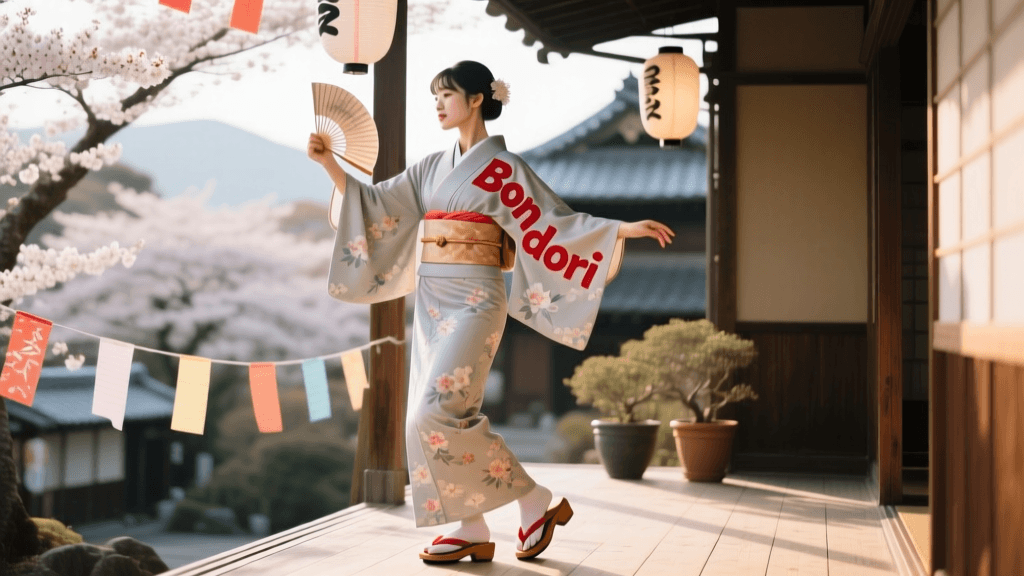
The yukata is an unlined, lightweight garment traditionally made from cotton or modern synthetic blends. Originally worn as a bathing robe by the nobility in the Heian period, it evolved into the quintessential summer streetwear for festivals (matsuri) and fireworks displays. Because it is unlined and highly breathable, it is strictly worn during the hottest months of the year, typically July and August, or in indoor settings like ryokans and onsens year-round.
The Komon: Year-Round Street Style
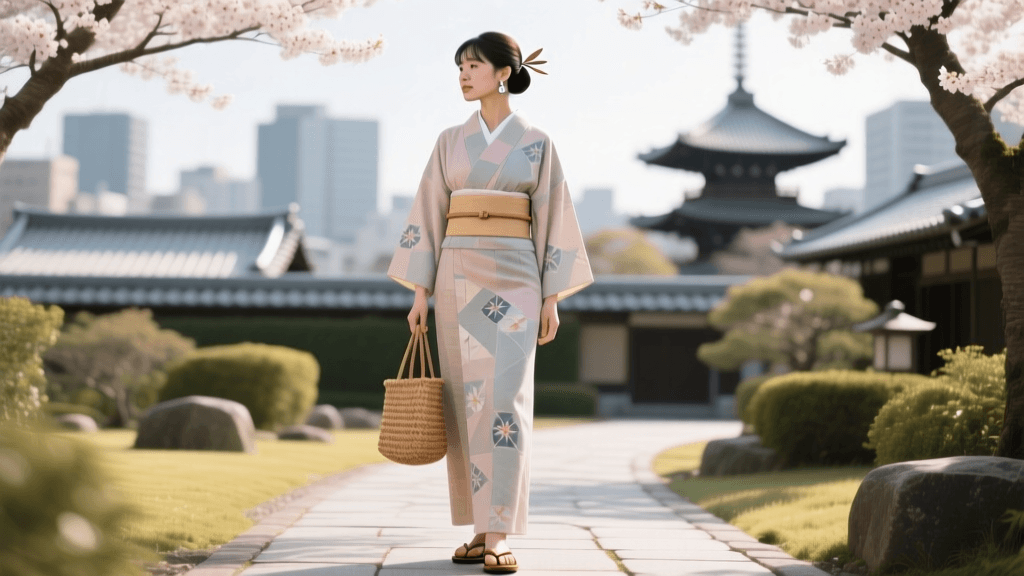
Komon translates to 'small pattern.' This garment features a repeating micro-pattern that, from a distance, appears as a solid color or subtle texture. Unlike the yukata, a komon is fully lined and can be made from silk, wool, or, most commonly for modern everyday wear, washable polyester. The komon is the ultimate 'jeans and a t-shirt' equivalent of the traditional Japanese wardrobe. It is appropriate for casual outings, shopping trips, and informal dinners across all four seasons, provided the fabric weight is adjusted for the weather.
Comparison Chart: Yukata vs. Komon
| Feature | Yukata | Komon |
|---|---|---|
| Primary Material | Cotton, Hemp, Polyester | Silk, Wool, Polyester |
| Lining | Unlined (Hitoe) | Fully Lined (Awase) |
| Seasonality | Summer (July - August) | Autumn, Winter, Spring |
| Undergarments | Susoyoke (half-slip), Hadajuban | Full Nagajuban (kimono slip) |
| Footwear | Geta (wooden clogs), bare feet | Zori (sandals) with Tabi socks |
| Average Cost (New) | $50 - $150 USD | $120 - $400 USD |
Practical Sizing and Measurements
One of the most intimidating aspects of buying traditional Japanese clothing is the sizing system. Unlike Western clothing, which relies on S, M, L, or numerical bust/waist measurements, Japanese garments are sized primarily by height and arm span. Because the garment is wrapped and folded, width is rarely an issue for standard sizes; the critical measurements are length and sleeve drop.
How to Measure for Your First Garment
- Mitake (Back Length): This is the length from the base of the neck to the hem. For a modern, casual look, the hem should hit exactly at the ankle bone. To calculate your ideal mitake, take your total height and subtract 20 to 25 centimeters. For example, a person who is 165 cm tall should look for a mitake of roughly 140 cm.
- Yuki (Sleeve Length): This measures from the center back of the neck, across the shoulder, and down to the wrist bone. The traditional rule of thumb is that the sleeve should end exactly at the wrist bone when the arm is relaxed at a 45-degree angle. A standard modern yuki is around 64 cm to 68 cm.
- Hip Width (Katahaba): While standard kimono are cut from bolts of fabric roughly 36 cm wide (resulting in a hip circumference of about 100-110 cm), modern 'wide-size' or 'king-size' kimono are available for those needing more room. If your hips exceed 105 cm, specifically search for wide-cut komon.
Mastering Koromogae: The Art of Seasonal Transitions
In Japanese traditional dress, the concept of koromogae (seasonal changing of clothes) is paramount. While modern Western fashion allows for erratic layering regardless of the calendar, traditional Japanese wear follows a strict, yet deeply poetic, seasonal timeline. Understanding this timeline is crucial for everyday wearers who wish to appear knowledgeable and respectful of the culture.
- October to May (Awase Season): This is the season for lined garments. Your standard silk or polyester komon with a full lining is appropriate here. Heavier wool kimono are also worn during the peak winter months of January and February.
- June and September (Hitoe Season): During these transitional, humid months, wearers switch to hitoe (unlined) garments. These are made from single layers of silk, linen, or lightweight polyester. They provide the visual weight of a komon but the breathability needed for shifting temperatures.
- July and August (Usugmono and Yukata Season): The peak of summer demands maximum breathability. This is when sheer fabrics like ro and sha (woven silks with intentional gaps) are worn, alongside the ubiquitous cotton yukata.
For the casual modern wearer, investing heavily in sheer summer silks is unnecessary. A reliable cotton yukata for August, and a versatile polyester hitoe for the transitional months, will cover your bases beautifully without breaking the bank.
Modern Styling: Blending Tradition with Everyday Life
Wearing traditional garments in a modern, Westernized environment requires a balance of respect for the form and practical adaptation. The contemporary kimono styling movement heavily encourages mixing traditional pieces with modern accessories.
Footwear and Accessories
While traditional zori (straw or vinyl sandals) and geta (wooden clogs) are beautiful, they can be uncomfortable for long days of walking on concrete. For everyday komon wear, many modern enthusiasts opt for high-quality, split-toe tabi socks paired with clean, minimalist sneakers or leather loafers. This not only provides arch support but also creates a striking, fashion-forward silhouette that bridges East and West.
When it comes to bags, you do not need to restrict yourself to traditional silk pouches. A structured leather handbag, a canvas tote, or even a modern crossbody bag works beautifully with a komon, provided the color palette is cohesive. For yukata, woven rattan baskets or straw totes perfectly complement the summery, relaxed aesthetic.
The Haori: The Ultimate Layering Piece
The haori is a traditional hip- or thigh-length jacket worn open over the kimono. In modern casual fashion, the haori has been completely liberated from its traditional rules. It is incredibly common to see Japanese youth wearing vintage, brightly lined silk haori over plain t-shirts and denim jeans. For the traditional wearer, adding a haori to a komon instantly elevates the outfit, provides warmth in air-conditioned spaces, and allows you to hide a hastily tied obi (sash) while running errands.
The Bunko Musubi: A Casual Wearer's Best Friend
Formal kimono require complex, rigid obi knots (like the otaiko musubi) that demand specialized padding, ties, and often a mirror or a helper. For everyday casual wear, particularly with yukata and komon paired with a hanhaba obi (half-width sash), the bunko musubi (bow knot) is the gold standard. It is essentially the same mechanics as tying a standard shoelace bow, adapted for a wide sash. It takes less than three minutes to tie, requires zero extra accessories, and projects a youthful, relaxed, and approachable aesthetic that is perfect for casual daytime outings.
Building a Budget-Friendly Casual Wardrobe
Assembling a functional, everyday traditional wardrobe does not require the budget of a haute couture collector. The secondhand market in Japan (and online globally) is robust, meticulously maintained, and highly affordable.
Cost Breakdown for a Starter Wardrobe
- Vintage Komon (Secondhand): $40 - $80. Look for 'washable polyester' (senjyo) if you want easy maintenance.
- New Cotton Yukata Set: $80 - $120. Usually includes the yukata and a pre-tied, easy-wear obi.
- Nagajuban (Under-slip): $30 - $50. A two-piece 'nibu-shiki' slip is highly recommended for beginners as it eliminates the need to tie the under-collar perfectly.
- Obi (Sash): $25 - $60. For casual wear, invest in a 'hanhaba obi' (half-width sash). It is informal, easy to tie in a simple bow, and requires no additional padding.
- Tabi Socks & Sneakers: $30. Stretch-tabi made of cotton are affordable and comfortable.
Total estimated cost for a complete, authentic, and modern casual starter wardrobe: $205 - $360 USD.
Care and Maintenance for the Modern Home
Traditional silk garments require specialized dry cleaning, which can be costly and impractical for everyday wear. This is why modern polyester (often labeled as 'washable kimono') has revolutionized casual traditional fashion. Polyester komon can be hand-washed in a bathtub with mild detergent, gently pressed to remove excess water, and hung to dry in the shade. Cotton yukata can be machine washed on a delicate cycle inside a mesh laundry bag. Always use a wide, padded hanger or a specialized kimono hanger (emono-kake) to dry your garments; standard wire hangers will create permanent shoulder bumps and distort the T-shaped silhouette.
Conclusion
Embracing Japanese traditional wear as an everyday practice is a deeply rewarding way to engage with Asian cultural heritage. By understanding the functional differences between the breezy summer yukata and the versatile, year-round komon, you can build a wardrobe that is historically informed yet entirely suited to modern life. Whether you are navigating a bustling city street, attending a casual dinner, or simply enjoying a weekend market, these garments offer a timeless elegance that transcends fleeting fashion trends.