Authentic Banarasi Silk Sari Online Shopping: 2026 Marketplace Guide
The Evolution of the Banarasi Sari Market in 2026
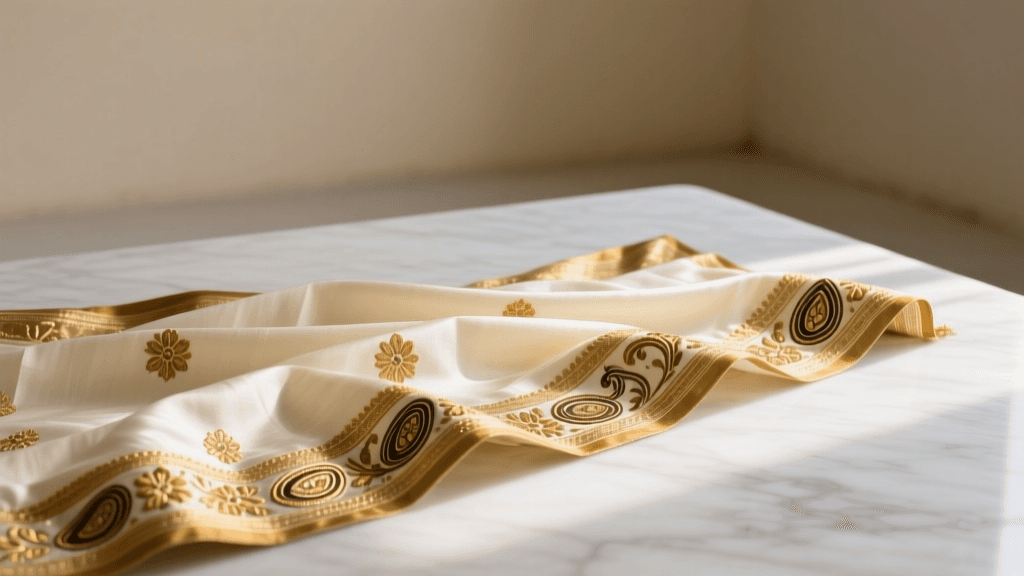
The Banarasi sari, originating from the sacred city of Varanasi in Uttar Pradesh, India, remains one of the most coveted and intricate traditional garments in South Asia. Historically reserved for royalty and bridal trousseaus, these masterpieces of handloom weaving have seen a massive resurgence in global demand. However, as we navigate the e-commerce landscape of 2026, the proliferation of power-loom counterfeits and synthetic 'art silks' has made online shopping for authentic Banarasi textiles a complex endeavor. For the modern global consumer, distinguishing between a genuine handwoven heirloom and a mass-produced factory replica requires a keen eye, an understanding of textile terminology, and knowledge of verified digital marketplaces.
In 2026, the digital storefronts representing authentic weaver cooperatives and heritage brands have vastly improved their transparency. The integration of NFC-enabled authentication tags, blockchain-backed supply chain tracking, and high-definition macro-photography allows international buyers to inspect the warp and weft of a sari from thousands of miles away. This guide will walk you through the top verified online marketplaces for purchasing authentic Banarasi silk saris, how to decode government-issued authenticity marks, and the red flags to avoid when browsing global e-commerce platforms.
The Anatomy of an Authentic Banarasi
Before adding a sari to your digital cart, it is crucial to understand what constitutes a genuine Banarasi. The magic of this garment lies in its materials and the painstaking jacquard weaving technique passed down through generations of artisans.
- Katan Silk: The foundation of a premium Banarasi is Katan, a pure silk thread created by twisting together two or more silk filaments. It provides the fabric with its signature luster and structural integrity.
- Zari Work: Traditional Zari is made of fine gold or silver wire wrapped around a silk core. While pure gold Zari is now mostly reserved for bespoke, ultra-luxury commissions, high-quality 'tested Zari' (copper or silver-coated threads) is the standard for premium 2026 marketpieces. Synthetic plastic Zari is the primary indicator of a power-loom fake.
- Weaving Techniques: Look for descriptions that specify Kaduwa (where the design is woven into the fabric and the back is clean) or Fekua (where the extra weft threads are left hanging on the back and later cut). Handloom Kaduwa is highly prized for its durability and reversible nature.
Top Verified Online Marketplaces for 2026
To guarantee authenticity, buyers must move away from unregulated third-party seller hubs and focus on direct-to-consumer heritage platforms and curated artisanal marketplaces. Here are the most trusted platforms operating in 2026.
1. Tilfi: Direct-to-Consumer Weaver Cooperative
Tilfi has revolutionized the Banarasi market by connecting master weavers directly with global consumers, eliminating middlemen. In 2026, their platform features an extensive 'Weaver Profile' section, allowing you to see the exact artisan who spent 45 to 90 days weaving your specific sari. Tilfi specializes in pure Katan silk and traditional Meenakari (enamel-like multi-color weaving) techniques. Their pricing is transparent, typically ranging from $250 to $1,200 USD, reflecting the fair wages paid to the Varanasi cooperatives.
2. Nalli: The Heritage Institution
Operating since 1928, Nalli has successfully transitioned its legendary brick-and-mortar reputation into a robust global e-commerce experience. Nalli is highly recommended for buyers seeking classic, bridal-weight Banarasi saris with heavy Zari work. In 2026, Nalli offers virtual styling consultations and ships globally with pre-calculated customs duties, removing the friction from international textile imports. Their 'Nalli Guarantee' ensures that every silk sari sold is authenticated by in-house textile experts before dispatch.
3. Jaypore: Curated Artisanal Luxury
Jaypore focuses on the intersection of traditional craftsmanship and contemporary aesthetics. While their inventory is smaller and highly curated, it is the premier destination for buyers looking for modern color palettes, lightweight organza (kora) Banarasis, and unconventional motif placements. Jaypore provides exceptional storytelling, detailing the regional history of the weave, making it an ideal platform for conscious consumers who value the cultural narrative behind their garments.
4. Taneira: The Tata Trust Initiative
Backed by the Tata Group, Taneira operates with a strict mandate to preserve Indian handloom traditions. Their 2026 digital catalog includes a dedicated 'Banarasi Brocade' section, featuring Geographical Indication (GI) certified pieces. Taneira's user interface allows buyers to filter by weaving technique, Zari purity, and base fabric, making it highly user-friendly for textile enthusiasts.
2026 Marketplace Comparison Chart
| Marketplace | Price Range (USD) | Authentication Guarantee | Best For | Global Shipping (2026) |
|---|---|---|---|---|
| Tilfi | $250 - $1,200 | GI Tag + Weaver Certificate | Traditionalists & Heirloom Seekers | DHL Express (3-5 Days) |
| Nalli | $150 - $2,500+ | In-House Expert + Silk Mark | Bridal & Heavy Zari Work | FedEx Priority (Customs Pre-paid) |
| Jaypore | $300 - $900 | Silk Mark + Artisan Sourcing | Modern Styling & Lightweight Weaves | Standard International (7-10 Days) |
| Taneira | $200 - $1,500 | GI Tag + Tata Certification | Gift Buyers & Verified Handloom | Aramex / DHL (5-7 Days) |
Decoding the Silk Mark and GI Tags
In 2026, relying solely on the seller's word is insufficient. The Silk Mark Organisation of India, a government body, has updated its authentication tags to include secure NFC chips and encrypted QR codes. When your sari arrives, or when viewing the macro-photos provided by premium marketplaces, locate the Silk Mark tag. Scanning the QR code with your smartphone should instantly pull up the unique serial number, the testing laboratory details, and the date of certification. If the code redirects to a generic website or fails to scan, the garment is likely counterfeit.
Additionally, authentic Banarasi brocades are protected under the Geographical Indication (GI) registry. The World Intellectual Property Organization (WIPO) recognizes the GI status of Banarasi silk, meaning only textiles woven in the designated districts of Varanasi can legally bear the name. Reputable marketplaces will include a GI certification label alongside the Silk Mark.
Red Flags: Avoiding Power-Loom Fakes
Generic global marketplaces are flooded with machine-made replicas marketed deceptively. When shopping outside of the verified platforms listed above, watch out for these critical red flags:
- The 'Art Silk' Deception: 'Art Silk' is an industry term for artificial silk (rayon or polyester). If a listing says 'Banarasi Art Silk,' it is entirely synthetic and machine-made.
- Unrealistic Pricing: A genuine handloom Katan silk sari with intricate Zari work requires weeks of labor. If you see a 'Pure Silk Banarasi' listed for under $80 USD, it is a power-loom product using synthetic threads.
- Uniformity of the Reverse Side: Power-loom saris often have a messy, heavily threaded reverse side with long floating wefts, unless they are using a cheap digital print to mimic the brocade effect. Handloom Kaduwa weaves have a remarkably clean reverse side.
- Stock Photography: Authentic handloom pieces are unique. If a seller uses perfectly lit, watermarked stock photos with identical draping across 50 different color variations, they are likely selling factory-printed polyester.
Glossary of Traditional Banarasi Motifs
To navigate the 2026 catalogs like a seasoned collector, familiarize yourself with the traditional vocabulary of Varanasi weavers:
- Kalga / Ambi: The classic mango or paisley motif, often heavily embellished with Zari.
- Bel: A continuous, intertwining vine or creeper pattern that runs throughout the body of the sari.
- Jhallar: A fringe-like pattern used heavily on the pallu (the decorative end of the sari) and borders.
- Butidar: A sari featuring small, evenly spaced floral or geometric motifs (butis) across the entire fabric.
- Jangla: A complex, dense, and wild scrolling motif of vines and flowers, representing some of the most difficult and time-consuming weaving techniques.
International Shipping, Customs, and Care in 2026
The Ministry of Textiles, Government of India has streamlined export documentation for handloom cooperatives, but international buyers must still be aware of their local import thresholds. In 2026, the European Union and the United States have adjusted their de minimis values for textile imports. When checking out on platforms like Nalli or Tilfi, opt for the 'DDP' (Delivered Duty Paid) shipping option. This ensures that all VAT and customs duties are calculated and paid at checkout, preventing your heirloom sari from being held hostage at a local customs warehouse.
Upon arrival, proper care is essential to preserve the Zari and the silk. Never attempt to hand-wash a pure Katan Banarasi at home, as the metallic threads can tarnish or snap when exposed to harsh detergents and agitation. Always seek a professional dry cleaner who specializes in delicate ethnic wear and inform them of the Zari content. For storage, avoid plastic covers which trap moisture and cause the silk to rot. Instead, wrap the sari in unbleached muslin cloth and store it in a cool, dark cedar chest, refolding it every three months to prevent permanent crease lines from breaking the silk fibers.
Conclusion
Investing in an authentic Banarasi silk sari is an investment in living history. By utilizing verified 2026 marketplaces, demanding Silk Mark and GI certifications, and understanding the intricate anatomy of the weave, global consumers can confidently support the master weavers of Varanasi. Whether you are sourcing a bridal masterpiece or a contemporary organza drape, the digital pathways to India's most sacred looms have never been more accessible—or more transparent.