Bunka Fashion College Kimono Workshops & Online Courses 2026
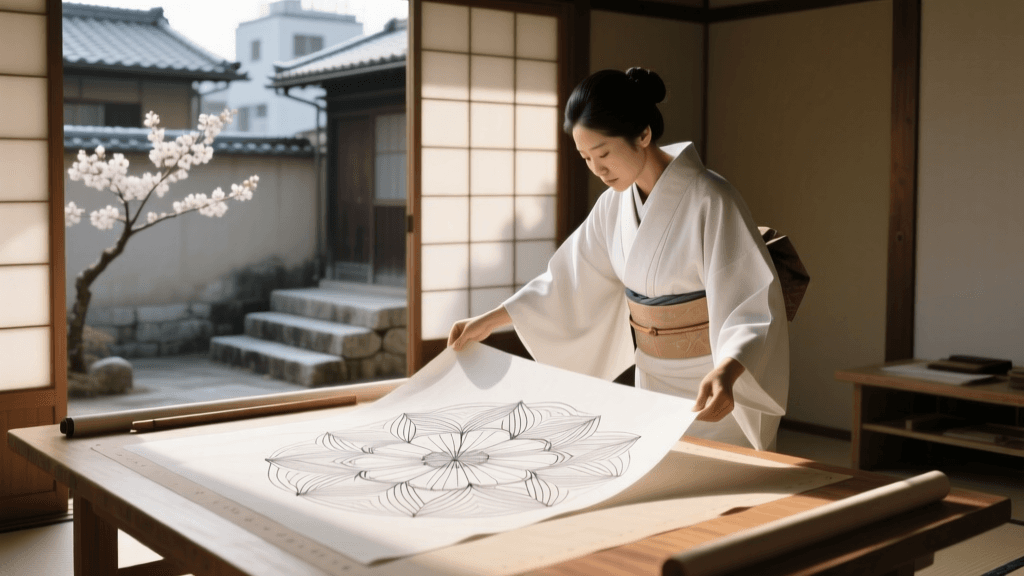
The landscape of traditional Japanese garment education has undergone a remarkable transformation by 2026. As global fashion increasingly embraces sustainability, slow fashion, and artisanal craftsmanship, the demand for authentic education in traditional Japanese textiles has skyrocketed. At the forefront of this educational renaissance is the legendary Bunka Fashion College in Tokyo, alongside a new wave of digital platforms offering immersive online learning. Whether you are an aspiring designer looking to integrate Sashiko mending into contemporary streetwear, or a textile enthusiast wanting to master the precise geometry of Kimono pattern drafting, the 2026 curriculum offers unprecedented access to centuries-old techniques. This comprehensive guide explores the premier workshops, online courses, and essential tools you need to master traditional Japanese garment making this year.
The Global Resurgence of Japanese Textile Arts
In 2026, traditional Asian garments are no longer confined to ceremonial wear or historical archives. According to the Japanese Ministry of Economy, Trade and Industry (METI), global exports of certified traditional craft textiles have seen a sustained year-over-year growth, driven largely by international designers seeking authentic, sustainable techniques. Fashion schools have responded by modernizing their outreach. The meticulous zero-waste pattern cutting inherent in traditional Kimono and Yukata construction is now highly sought after by eco-conscious design houses in Paris and Milan. By studying these methods, students are not just learning history; they are acquiring the blueprint for the future of sustainable global fashion.
Bunka Fashion College: In-Person Tokyo Workshops
For those able to travel to Japan, the Bunka Fashion College remains the undisputed pinnacle of garment education. In 2026, their specialized short-term workshops for international students have expanded, offering English-translated instruction via augmented reality (AR) glasses, eliminating the language barrier that once hindered global applicants.
Highlight Workshop: Yukata vs. Jinbei Summer Casual Wear
One of the most popular summer modules focuses on the structural and functional differences between the Yukata and the Jinbei. While both are staple summer garments, their drafting and construction differ significantly. Students learn the traditional straight-line cutting method using a standard Shaku ruler. The focus is on the Okumi front overlap panel and the precise alignment of the continuous sleeve. The workshop emphasizes the unlined, breathable cotton construction required for Japanese summer humidity. Unlike the one-piece flow of the Yukata, the Jinbei is a two-piece set consisting of a top and shorts. Students learn how to adapt traditional kimono sleeve geometry into a structured, short-sleeved top with a front tie, paired with relaxed, woven shorts featuring a traditional drawstring waist. These intensive three-week workshops cost approximately 185,000 JPY (roughly 1,250 USD in 2026) and include all raw textiles, natural indigo dyes, and studio access.
Premier Online Learning Platforms for 2026
If traveling to Tokyo is not feasible, 2026 offers exceptional online alternatives. Japanese institutions have partnered with global e-learning giants to bring master artisans into your home studio.
| Platform | Course Name | Focus Area | 2026 Tuition | Format & Duration |
|---|---|---|---|---|
| Bunka Digital Extension | Foundations of Kimono Pattern Drafting | Zero-waste geometry, Shaku measurements | $450 USD | 12 Weeks, Live + VOD |
| Domestika Japan Masters | Shibori & Natural Indigo Vat Dyeing | Kanoko shibori, Miura shibori, vat management | $85 USD | Self-paced, 4 Hours |
| Vogue Gakuen Online | Sashiko & Boro Mending Techniques | Running stitch variations, patchwork layering | $220 USD | 8 Weeks, Weekly Critique |
| Japan Kogei Digital Archive | Advanced Nishijin Weaving Theory | Loom setup, silk thread preparation | $600 USD | 6 Months, Mentorship |
The Bunka Digital Extension is particularly notable this year for its integration of 3D garment simulation software, allowing students to test the drape of their digital Yukata patterns before cutting physical fabric.
Essential Tools for Your Home Studio
To properly execute the techniques learned in these workshops, you must equip your home studio with traditional Japanese sewing tools. Standard Western sewing kits are insufficient for the precise, straight-line geometry of Japanese garments. Here are the must-have tools for 2026.
- Maki-hari (Sewing Clamp): A vital tool for holding fabric taut while sewing long seams. Traditional wooden clamps with a heavy base and a metal pin cost around 3,500 JPY (25 USD). Look for models crafted from Hinoki cypress for optimal grip.
- Kote (Traditional Iron): Modern electric Kote irons feature a narrow, pointed tip perfect for pressing open the thick seams of a Haori or Kimono. The 2026 Panasonic NI-WL700 series is the industry standard, priced at 12,000 JPY (85 USD).
- Take-jaku (Bamboo Ruler): A standard 38 cm bamboo ruler with traditional Japanese inch markings, essential for authentic pattern drafting, costing 1,200 JPY (8 USD).
- Chaku-dai (Sewing Thread Wax): Used to wax cotton and silk threads before hand-sewing Sashiko, preventing tangling and increasing thread longevity, costing 800 JPY (5 USD).
Sourcing these tools has become easier in 2026, with specialized exporters offering direct international shipping with English-language interfaces.
Sashiko, Boro, and the Sustainable Future
A major focus of the 2026 curriculum across all Japanese fashion schools is the integration of Sashiko decorative reinforcement stitching and Boro patchwork mending. Once born out of necessity in rural Aomori prefecture, these techniques are now celebrated globally as the ultimate expression of sustainable fashion. Online courses emphasize the meditative, slow-fashion aspect of Sashiko, teaching students how to map geometric patterns like Asanoha hemp leaf and Seigaiha blue ocean waves onto upcycled denim and linen. Students are also trained in the use of specialized Sashiko needles, which are notably longer and feature larger eyes than standard embroidery needles, allowing for the continuous running stitch that defines the craft. By mastering these stitches, designers are creating high-value, one-of-a-kind garments that actively combat the modern crisis of textile waste.
How to Enroll and Prepare
For international students aiming for the in-person Tokyo workshops, preparation is key. The Japan National Tourism Organization (JNTO) provides updated guidelines for short-term study visas, which in 2026 allow for up to 90 days of cultural and vocational study without the need for a complex student visa, provided the course is under a recognized cultural institution. Before enrolling, ensure you have a dedicated workspace with a large, flat cutting surface of at least 1.5 meters by 1 meter to accommodate the wide bolt widths of traditional Tanmono fabric. Understanding the logistical requirements ensures a smooth transition into the rigorous academic environment of Tokyo's top fashion institutes.
Conclusion
The year 2026 represents a golden era for the study of traditional Japanese garments. Whether you are dissecting the structural nuances of Yukata versus Jinbei in a Tokyo studio, or mastering the indigo vat in your home laundry room via a live-streamed masterclass, the knowledge of Japan’s textile ancestors is more accessible than ever. By investing in these workshops and authentic tools, you are not merely learning to sew; you are becoming a custodian of a living, breathing tradition that is actively reshaping the future of global fashion.