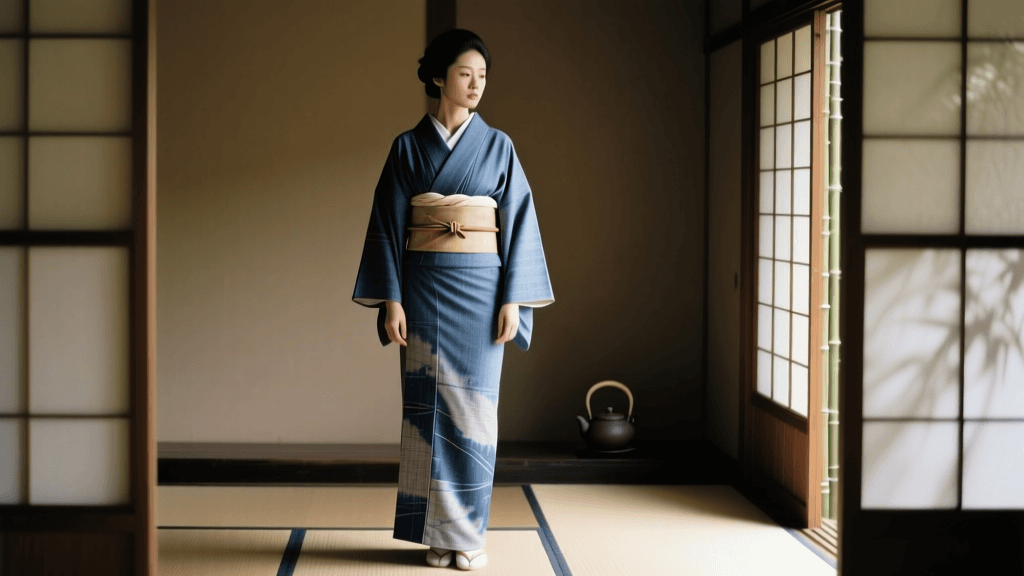
Vintage Silk Kimono and Hanbok Preservation Guide 2026
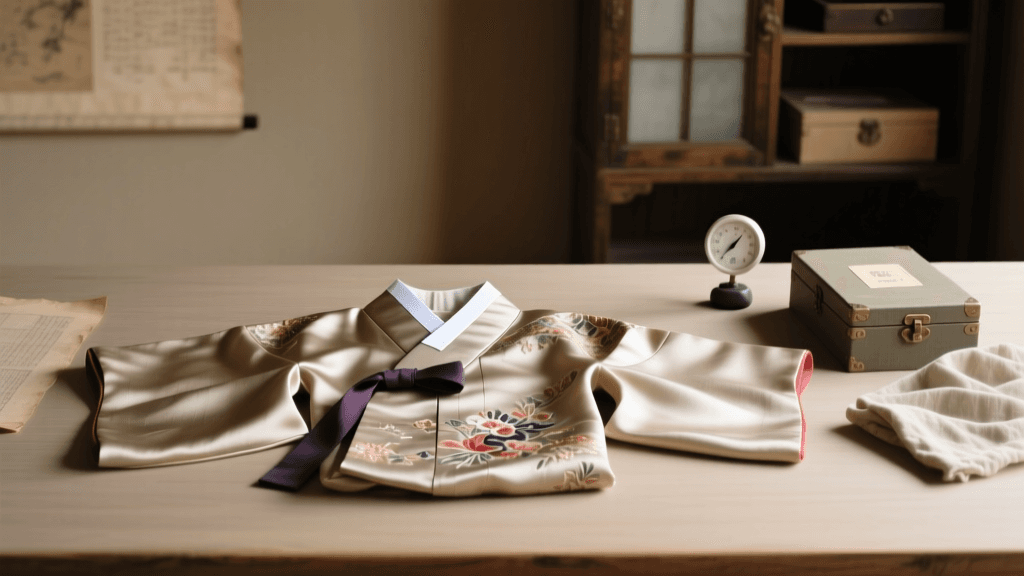
Introduction to Asian Silk Preservation in 2026
Preserving the delicate beauty of vintage Asian silk garments requires a meticulous blend of traditional respect and modern conservation science. Whether you are safeguarding a family heirloom Meiji-era silk kimono or a meticulously embroidered vintage hanbok, the structural integrity of these garments is constantly under threat from environmental factors, improper handling, and chemical degradation. In 2026, the global textile conservation community has fully embraced sustainable, non-toxic methodologies that prioritize the longevity of natural protein fibers without relying on the harsh synthetic chemicals of the past.
This comprehensive guide explores the current 2026 standards for Asian garment care, focusing specifically on eco-friendly stain stabilization, archival storage solutions, and smart climate monitoring. By adopting these practices, collectors and cultural enthusiasts can ensure their silk treasures survive for generations to come.
The Science of Silk Degradation in Heritage Garments
Silk is a natural protein fiber composed primarily of fibroin. While it possesses remarkable tensile strength, it is highly susceptible to photo-oxidation, hydrolysis, and biological attacks. According to the Victoria and Albert Museum's textile conservation guidelines, prolonged exposure to ultraviolet light and fluctuating humidity levels causes the amino acid chains in silk to break down, leading to the dreaded 'shattering' effect where the fabric becomes brittle and tears under its own weight.
Vintage kimonos and hanboks often feature metallic threads, natural indigo dyes, and delicate paste-resist designs (such as yuzen) that react differently to environmental stressors than the base silk. In 2026, conservationists emphasize the importance of micro-climate stabilization over broad-spectrum chemical treatments, recognizing that the interaction between different dyes and the silk substrate requires highly tailored preservation strategies.
2026 Standards for Eco-Friendly Stain Stabilization
One of the most significant shifts in 2026 garment care is the move away from aggressive dry-cleaning solvents like perc (perchloroethylene), which can strip natural sericin from vintage silk and cause irreversible dye bleeding. Instead, modern preservation focuses on localized, eco-friendly stain stabilization.
Handling Organic Stains (Sweat, Oils, Food)
Organic stains are the most common culprits in vintage silk degradation, as they attract pests and accelerate localized fiber rot. The current best practice involves the use of enzymatic, plant-based micro-mists applied with ultrasonic nebulizers. These tools allow conservators to introduce moisture and mild, biodegradable surfactants to the stain without saturating the surrounding silk, thereby preventing water rings and dye migration.
Addressing Inorganic Stains (Makeup, Ink, Rust)
Inorganic stains require a different approach. For vintage hanbok collars (dongjeong) or kimono lapels stained with historical cosmetics, professionals now utilize chelating agents derived from natural amino acids. These agents safely bind to heavy metals and synthetic pigments, lifting them from the fiber matrix without altering the silk's pH balance.
Conservation Rule of Thumb: Never attempt to rub a stain on vintage silk. Friction breaks the weakened fibroin bonds. Always use a gentle dabbing or lifting motion, and when in doubt, leave the stabilization to a certified textile conservator.
Archival Storage Materials: What to Use in 2026
Proper storage is the cornerstone of garment preservation. The materials that surround your vintage kimono or hanbok must be chemically inert, acid-free, and capable of buffering against environmental pollutants. Below is a comparison of the most recommended archival storage materials available in 2026.
| Storage Material | Best Used For | Pros | Cons | 2026 Estimated Cost |
|---|---|---|---|---|
| Unbleached, Scoured Cotton Muslin Bags | Long-term hanging or flat storage of heavy hanboks and winter kimonos. | Breathable, washable, prevents dust accumulation while allowing fiber respiration. | Does not block light completely; requires a dark closet. | $25 - $45 per bag |
| Acid-Free, Lignin-Free Buffered Tissue Paper | Padding folds in kimono sleeves and hanbok chima (skirts) to prevent sharp creases. | Prevents acid migration; buffers against airborne pollutants. | Must be replaced every 3-5 years as buffering capacity depletes. | $15 - $30 per ream |
| Coroplast Archival Boxes (Polypropylene) | Flat storage of highly fragile, shattering Meiji or Taisho-era silk kimonos. | Water-resistant, structurally rigid, completely inert, pest-proof. | Bulky; requires significant shelf space in a climate-controlled room. | $60 - $120 per box |
| Japanese Washi (Mulberry Paper) Envelopes | Wrapping small accessories like obi-age, obi-jime, and hanbok norigae. | Naturally pH neutral, highly flexible, traditional aesthetic. | Offers minimal physical protection against crushing. | $10 - $20 per pack |
For comprehensive guidelines on selecting appropriate enclosures for heritage textiles, the Canadian Conservation Institute provides extensive, peer-reviewed notes on the chemical compatibility of various modern plastics and papers with protein fibers.
The Art of Folding: Tato vs. Chima Rolling
How you fold your garment is just as critical as what you wrap it in. Improper folding leads to permanent crease lines where the silk fibers eventually split and tear.
Kimono and the Tato Folding Method
Traditional kimonos are designed to be folded flat using the tato (or tatou) method. This specific geometric folding pattern ensures that the seams bear the stress of the fold rather than the delicate painted or dyed centers of the fabric panels. In 2026, conservators recommend placing a roll of acid-free tissue paper inside every major fold of a vintage kimono to create a soft, rounded crease rather than a sharp, damaging edge.
Hanbok and the Chima Rolling Technique
The voluminous chima (skirt) of a vintage silk hanbok should never be folded flat. The dense pleating and stiff silk taffeta or ramie blends will suffer permanent structural damage if compressed. The modern standard for hanbok preservation is to gently roll the skirt around a wide, acid-free cardboard tube (at least 4 inches in diameter) padded with unbleached cotton. The jeogori (jacket) can be folded lightly with tissue padding at the shoulders and elbows, then stored in a separate muslin bag.
Smart Climate Control for 2026
Temperature and relative humidity (RH) are the invisible enemies of vintage silk. The ideal environment for protein fibers is a stable 65°F to 68°F (18°C to 20°C) with a relative humidity strictly maintained between 45% and 55%. Fluctuations in RH cause the silk fibers to swell and contract, leading to mechanical fatigue.
In 2026, integrating smart home technology into garment preservation has become highly accessible. Conservators now recommend the use of Wi-Fi-enabled, calibration-grade smart hygrometers placed directly inside archival storage boxes and closets. These devices send real-time push alerts to your smartphone if the humidity deviates by more than 3% from your target baseline, allowing you to adjust your HVAC system or deploy localized silica gel cassettes before damage occurs.
Furthermore, the use of traditional cedarwood chests (tansu) for silk storage is now heavily discouraged by modern experts. While cedar repels moths, the wood naturally emits volatile organic compounds (VOCs) and acidic vapors that accelerate the yellowing and degradation of silk over time. If you must use a vintage cedar chest, the interior must be completely sealed with a barrier film, and the garments must be housed in secondary, airtight Coroplast boxes.
Handling and Professional Conservation
When examining or handling vintage silk kimonos and hanboks, always ensure your hands are freshly washed, thoroughly dried, and free of lotions or oils. While cotton gloves were once the standard, many 2026 textile conservators now prefer clean, bare hands for handling highly fragile silk, as cotton gloves can snag on loose metallic threads or reduce tactile sensitivity, leading to accidental tears.
If your garment exhibits active signs of shattering, severe dye bleeding, or active pest infestation (such as webbing from clothes moths or carpet beetles), do not attempt DIY restoration. Freezing the garment to kill pests is a common home remedy, but improper wrapping can lead to catastrophic condensation damage when the silk returns to room temperature. Always consult a certified textile conservator who specializes in Asian heritage garments to ensure the cultural and material integrity of your piece is maintained.
Conclusion
The preservation of vintage silk kimonos and hanboks is an ongoing commitment to cultural heritage. By adopting the 2026 standards for eco-friendly stain care, utilizing chemically inert archival storage materials, and leveraging smart climate monitoring, you can protect these magnificent garments from the ravages of time. Treating these textiles with the scientific respect they deserve ensures that the artistry, history, and cultural narratives woven into every thread will continue to inspire future generations.