Yukata vs Kimono: The Ultimate Summer Casual Wear Guide
Introduction to Japanese Summer Traditional Wear
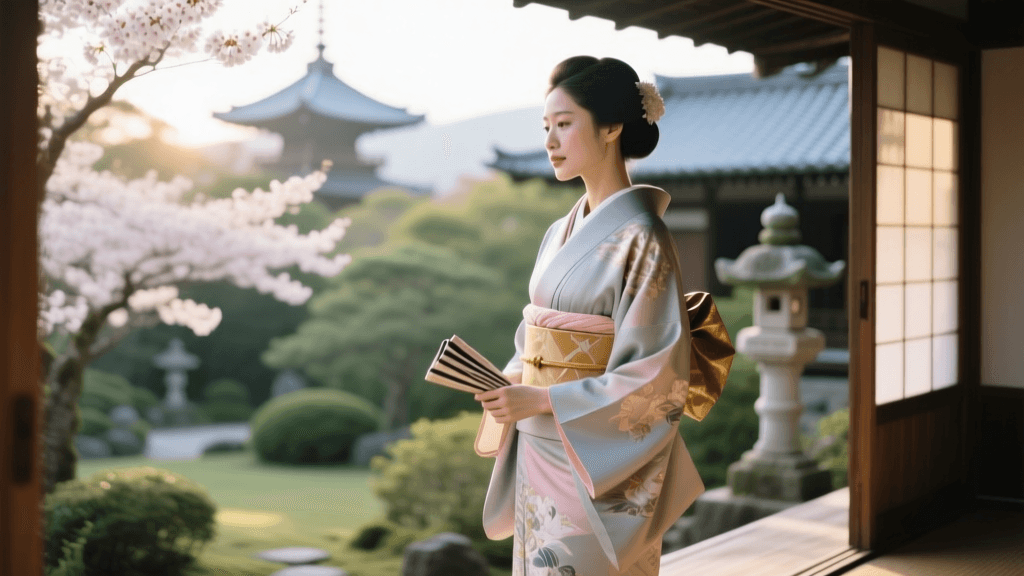
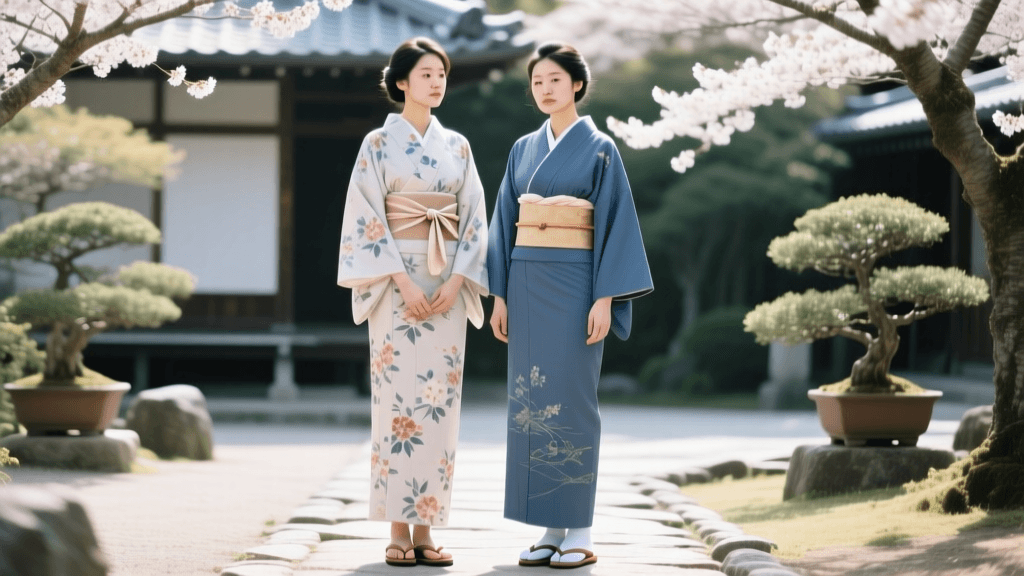
As the humid heat of the Japanese summer sets in between June and September, the streets of Kyoto, Tokyo, and Kanazawa transform into vibrant runways of traditional fashion. For both locals and international visitors, participating in this sartorial tradition is a highlight of the season. However, a common point of confusion arises when choosing between the yukata and the summer kimono (often referred to as natsu-mono or usumono). While both are worn during the warmer months and share a similar silhouette, their construction, layering systems, and appropriate occasions differ vastly. Understanding these nuances is essential for anyone looking to wear Japanese traditional garments with authenticity, comfort, and respect for cultural etiquette.
According to the Metropolitan Museum of Art, the evolution of the kimono from the straight-lined robes of the Heian period to the highly structured garments of the Edo period laid the groundwork for modern Japanese dress. The yukata, originally a bathrobe for the aristocracy, eventually evolved into the ubiquitous casual summer wear we see today. This guide will break down the practical, artistic, and institutional differences between the yukata and the summer kimono, providing actionable advice on layering, accessorizing, and renting or purchasing these beautiful garments.
The Core Differences: Fabric, Weight, and Construction
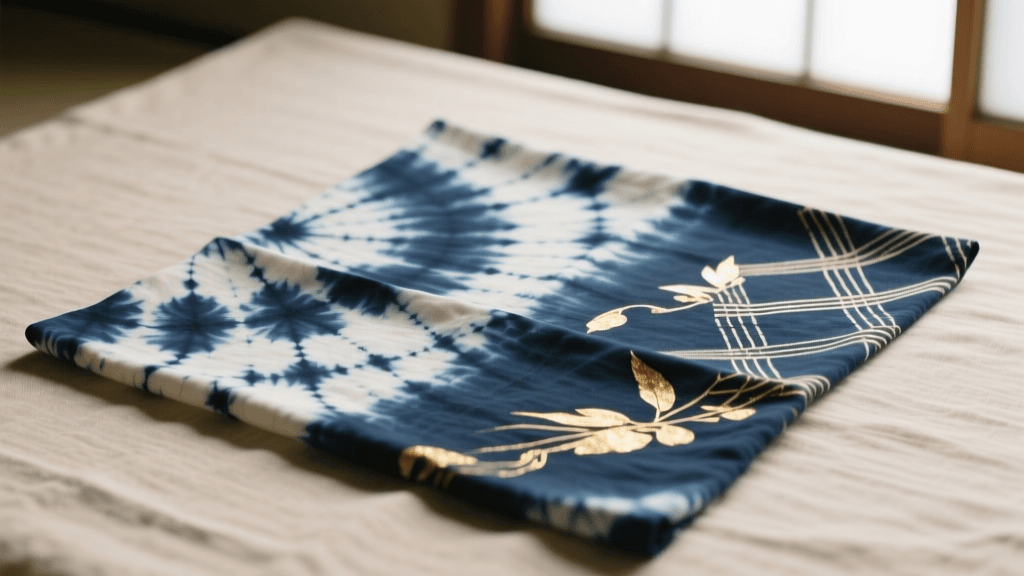
The most fundamental distinction between a yukata and a summer kimono lies in the textile. A yukata is strictly a casual, unlined (hitoe) garment made primarily from cotton or cotton-hemp blends. It is designed to be breathable, absorbent, and easy to wash, making it the perfect casual wear for hot, sweaty festival nights.
Conversely, a summer kimono is crafted from high-end, lightweight materials such as silk gauze (ro and sha), linen, or ramie. Ro silk features a distinct woven pattern with parallel lines of open mesh, while sha is a thinner, more uniform gauze. Despite being unlined like the yukata, the summer kimono is considered formal or semi-formal wear and requires a more complex layering system beneath it to maintain modesty and structure. The Victoria and Albert Museum highlights how the meticulous weaving of ro and sha silks represents the pinnacle of Japanese textile engineering, allowing for garments that are structurally sound yet remarkably cool against the skin.
| Feature | Yukata | Summer Kimono (Natsu-mono) |
|---|---|---|
| Primary Fabric | Cotton, Hemp, Poly-blend | Silk (Ro, Sha), Linen, Ramie |
| Lining | Unlined (Hitoe) | Unlined (Hitoe) |
| Formality | Casual / Loungewear | Semi-formal to Formal |
| Collar Style | Soft, narrow collar | Stiff, wide collar (with core) |
| Weight | Light (approx. 400-600g) | Medium (approx. 600-900g) |
The Layering System: What Goes Beneath
One of the most frequent mistakes made by beginners is wearing the wrong undergarments. The layering system dictates not only the comfort of the wearer but also the formality of the outfit.
Yukata Undergarments
The yukata was historically worn directly over the skin or over a simple bathing wrap. Today, it is standard to wear a hadajuban (a thin, sleeveless cotton undershirt) and susoyoke (a half-slip) or modest cotton shorts beneath a yukata. You do not wear a nagajuban (a full-length kimono under-robe) with a yukata. If a nagajuban collar is visible beneath a yukata, it is considered a major fashion faux pas in Japan.
Summer Kimono Undergarments
Because summer kimonos made of ro or sha silk are semi-transparent, a specialized summer nagajuban is mandatory. These under-robes are typically made from breathable mesh, hemp, or lightweight synthetic blends designed to wick moisture. The ensemble includes:
- Hadajuban: A skin-contact undershirt to protect the silk from sweat.
- Nagajuban: The secondary robe, which provides the crisp, white collar (han-eri) visible at the neckline.
- Koshihimo: Cotton ties used to secure the under-layers before the outer kimono is draped.
Obi Selection: Tying the Look Together
The obi (sash) is the anchor of any traditional Japanese outfit, and its width, length, and material must match the garment.
For a yukata, the standard choice is the hanhaba obi (half-width obi). Measuring approximately 15 cm wide and 300 to 400 cm long, it is soft, easy to tie, and does not require stiff accessories like the obijime (decorative cord) or obiage (sash cover). Popular knots for the hanhaba obi include the bunko musubi (bow knot) and the kai no kuchi (clamshell knot), both of which are relatively simple to master.
For a summer kimono, a nagoya obi or a lightweight fukuro obi is required. The nagoya obi is roughly 30 cm wide and 360 cm long, pre-folded and stitched to make tying the formal otaiko musubi (drum knot) easier. When wearing a summer kimono, you must also incorporate an obiage (preferably in a cooling, translucent silk or mesh) and an obijime (a thin, braided cord) to secure the knot. According to travel and cultural experts at the Japan Guide, mastering the obi tie is often the most challenging aspect of wearing traditional garments, making rental shops with professional dressers highly recommended for complex summer kimono ensembles.
Footwear and Accessories: Geta, Zori, and Bags
Footwear provides an immediate visual cue regarding whether you are wearing a yukata or a kimono.
- Yukata Footwear: Yukata is worn with geta (wooden clogs) and bare feet. Wearing socks with geta is traditionally frowned upon. The geta elevates the feet above hot pavement and puddles, and the clacking sound (karankoron) is synonymous with Japanese summer evenings.
- Summer Kimono Footwear: A summer kimono must be paired with zori (formal sandals made of vinyl, straw, or brocade) and tabi (split-toe socks). Even in the peak of August, white or light-colored mesh tabi are required for proper etiquette.
Regarding bags, yukata pairs well with casual kago (woven bamboo or rattan baskets) or simple cotton drawstring bags. Summer kimonos require more structured accessories, such as silk brocade handbags or woven rush bags with silk linings.
Styling and Occasions: When to Wear Which
Choosing the right garment depends entirely on your itinerary and the venues you plan to visit.
When to Wear a Yukata
The yukata is the undisputed champion of casual summer events. It is the expected attire for:
- Attending local matsuri (summer festivals) and street food stalls.
- Watching hanabi taikai (fireworks displays).
- Staying at a traditional ryokan (inn) or visiting an onsen (hot spring) town.
- Casual sightseeing in tourist-friendly districts like Asakusa (Tokyo) or Higashiyama (Kyoto).
When to Wear a Summer Kimono
The summer kimono is reserved for occasions that demand respect, elegance, and adherence to formal dress codes. Choose a summer kimono for:
- Attending a traditional tea ceremony (chakai).
- Visiting high-end kaiseki restaurants or upscale dining establishments.
- Attending summer weddings, formal garden parties, or classical theater performances (like Kabuki or Noh).
- Participating in religious ceremonies at major shrines or temples.
Care, Maintenance, and Storage
The post-summer care for these garments is as different as their construction. A cotton yukata is highly practical; it can be gently hand-washed or machine-washed on a delicate cycle using a mesh laundry bag and mild detergent. It should be hung to dry in the shade to prevent the vibrant dyes from fading, then folded along its original seam lines.
Silk summer kimonos, however, require specialized professional care. They should never be washed with water. Instead, they must be taken to a specialized kimono cleaner for maruarai (a traditional dry-cleaning process that uses solvents safe for silk and metallic threads). After cleaning, the kimono is carefully folded in tatoushi (specialized acid-free paper) and stored in a cedar chest with desiccants to protect against Japan's high humidity and mold.
Practical Buying and Rental Guide
For travelers and enthusiasts, renting is often the most practical way to experience traditional summer wear without the burden of maintenance or the high cost of purchasing authentic silk.
Rental Costs and Expectations
In major tourist hubs like Kyoto and Tokyo, rental shops are abundant. A standard yukata rental package (including the garment, hanhaba obi, geta, and a small bag) typically costs between 3,000 and 5,000 JPY ($20 to $35 USD). Upgrading to a summer kimono rental, which includes the nagajuban, nagoya obi, zori, and tabi, usually ranges from 6,000 to 12,000 JPY ($40 to $80 USD). Many shops offer professional dressing services (kitsuke) included in the price, which is highly recommended for the complex layering of a summer kimono.
Purchasing Your Own
If you wish to purchase a garment to take home, vintage markets (like the Oedo Antique Market in Tokyo) are excellent places to find high-quality, pre-loved silk summer kimonos for as little as 5,000 to 15,000 JPY. For new, artisan-crafted yukatas from famous dyeing regions like Arita or Kurume, expect to pay between 15,000 and 40,000 JPY. When purchasing vintage silk, always inspect the collar and underarm areas for discoloration, and check the silk gauze for snags or tears, as ro and sha weaves are delicate and prone to catching on jewelry.
Conclusion
Navigating the world of Japanese summer traditional wear is a rewarding journey into the heart of Asian textile arts and cultural etiquette. While the yukata offers a breezy, accessible entry point into the world of festivals and casual strolls, the summer kimono provides a profound connection to the centuries-old mastery of silk weaving and formal dress codes. By understanding the distinct layering systems, appropriate accessories, and occasion-specific rules, you can step out into the vibrant summer heat with confidence, elegance, and a deep appreciation for the artistry of the Japanese garment.