Asian Garments in Global Fashion Media: 2026 Trends
The Evolution of Asian Traditional Garments in Global Fashion Media
The landscape of global fashion media has undergone a seismic transformation regarding the representation of Asian traditional garments. In 2026, the era of superficial exoticism and cultural appropriation in high-fashion editorials has been decisively replaced by an era of rigorous authenticity, artisan attribution, and deep cultural respect. Major publications and digital fashion platforms are no longer treating the kimono, hanbok, sari, or cheongsam as mere costumes for avant-garde photoshoots. Instead, these garments are being covered with the same analytical depth, historical reverence, and technical scrutiny as European haute couture. This shift is not just a moral imperative; it is a response to a highly educated, global readership that demands transparency and cultural accuracy in every editorial spread.
For stylists, collectors, and enthusiasts, understanding how global fashion media frames these garments in 2026 is crucial. It dictates market value, influences respectful styling norms, and highlights the master artisans whose work is finally receiving the international spotlight they deserve. In this comprehensive guide, we break down the 2026 media trends surrounding Asian traditional dress, offering actionable advice on how to read, style, and source these incredible textiles in the modern era.
The 2026 Editorial Standard: Authenticity and Artisan Attribution
If you read a major fashion editorial this year, you will notice a distinct structural change in the credit pages. According to current editorial standards championed by leading publishers like Vogue and heavily analyzed by industry watchdogs at The Business of Fashion, it is now mandatory to credit the specific regional artisans, weaving cooperatives, and heritage houses involved in the creation of traditional Asian garments featured in shoots.
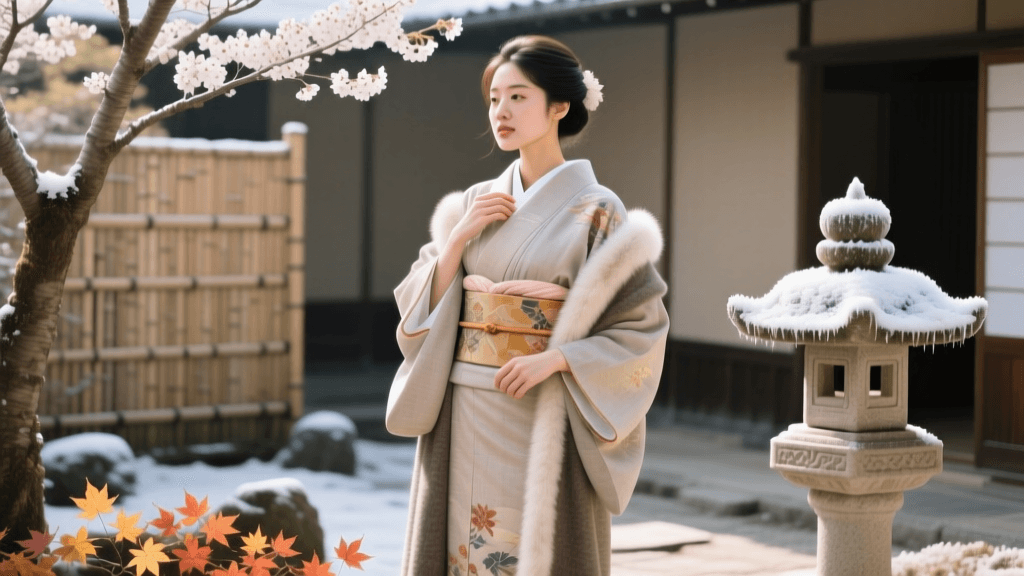
This means that a 2026 editorial featuring a Banarasi sari will not simply credit a major luxury brand; it will explicitly name the Varanasi weaving family, the specific type of zari (metallic thread) used, and the loom technique employed. Similarly, features on the Japanese kimono now routinely include the momme weight of the silk, the dyeing technique (such as Yuzen or Shibori), and the name of the Kyoto-based artisan. This level of detail mirrors the way Swiss watchmaking or Italian leatherworking is covered, elevating Asian textile heritage to its rightful place in the global luxury pantheon.
'The 2026 shift in fashion journalism is defined by the transition from aesthetic borrowing to economic and cultural empowerment. When media outlets highlight the exact origin of a Southeast Asian textile, they directly drive ethical commerce to those specific communities.' — Cultural Heritage Fashion Report, 2026.
Media Coverage Breakdown: Leading Garments in 2026
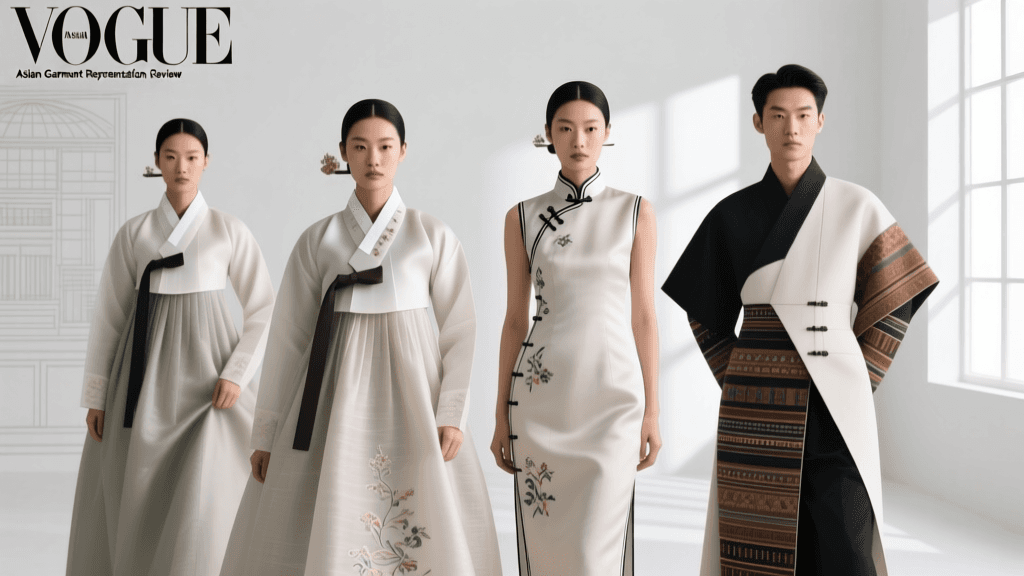
Different Asian garments are capturing distinct editorial narratives this year. While some are praised for their structural innovation, others are highlighted for their sustainable, zero-waste construction. Below is a structured breakdown of how global fashion media is categorizing and covering these garments in 2026.
| Garment | 2026 Media Focus | Key Artisan Regions Highlighted | Average Editorial Price Point |
|---|---|---|---|
| Hanbok | Architectural silhouettes, eco-silk innovations, and gender-fluid styling. | Seoul (Modern bespoke), Gyeongju (Traditional weaving). | $800 - $3,500 |
| Sari | Zero-waste drapery, handloom revival, and sustainable luxury. | Varanasi (Brocade), Kanchipuram (Silk), Odisha (Ikat). | $300 - $4,500 |
| Cheongsam (Qipao) | Heritage embroidery, bespoke tailoring, and modern fabric adaptations. | Shanghai (Bespoke tailoring), Suzhou (Silk embroidery). | $1,200 - $6,000 |
| Kimono / Haori | Upcycling of vintage silks, Yuzen dyeing, and casual layering. | Kyoto (Nishijin weaving), Kanazawa (Kaga Yuzen). | $450 - $8,000 |
| Barong Tagalog | Piña (pineapple) fiber innovations, sheer tailoring, and formal wear. | Aklan (Piña weaving), Lumban (Hand embroidery). | $600 - $2,800 |
Actionable Guide: Styling Traditional Pieces the 2026 Media Way
The days of wearing traditional garments as literal costumes for themed parties are long gone. In 2026, global street style photographers and editorial stylists focus on integration, juxtaposition, and profound respect for the garment's original structure. Here is how you can style these pieces according to current media-approved methodologies.
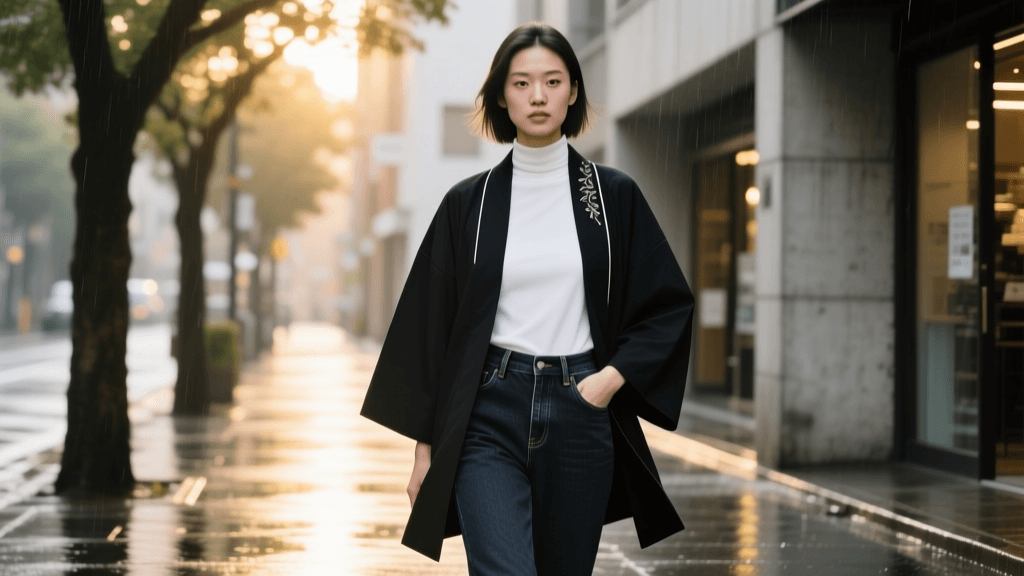
1. The Haori as Transitional Outerwear
The Japanese Haori (a hip- or thigh-length kimono-style jacket) is a staple in 2026 global street style. The media consensus strictly advises against wearing it with a belt or altering its natural T-shape silhouette.
- Measurements & Fit: Look for a standard length of 75cm to 85cm. The sleeves should be wide and hit just below the elbow (approx. 45cm from the shoulder seam).
- Styling Pairing: Wear over a crisp, oversized white poplin shirt and high-waisted, wide-leg wool trousers. The contrast between the fluid, patterned silk of the Haori and the structured, matte wool of the trousers creates a visually striking, respectful juxtaposition.
- Footwear: Avoid traditional geta or zori unless you are wearing a full, formal kimono ensemble. Opt for minimalist leather loafers or sleek Chelsea boots.
2. The Modern Sari Drape
Fashion editorials in 2026 are moving away from the heavily embellished, stiff bridal saris and focusing on the fluid, lightweight handloom cottons and silks that celebrate the body's natural movement.
- Fabric Specifications: Seek out 5.5-meter lengths of Chanderi cotton-silk or lightweight Maheshwari silk. These fabrics offer a beautiful drape without the heavy bulk of traditional zari work.
- Styling Pairing: Instead of a traditional matching blouse, style the sari with a structured, tailored blazer or a high-neck, sleeveless turtleneck. This anchors the traditional drape in contemporary corporate or evening wear.
- Draping Technique: The 'Bengali drape' (without pleats at the front, featuring a box pleat on the shoulder) is heavily featured in current editorials for its clean, sculptural lines.
3. The Cheongsam (Qipao) Silhouette
The 2026 media narrative around the Cheongsam focuses on the mastery of its tailoring rather than just its surface decoration. The garment is celebrated for its architectural collar and precise darting.
- Fit & Alterations: A proper Cheongsam should not be skin-tight. There must be a 2cm to 3cm ease around the bust and hips to allow for sitting and breathing. The Mandarin collar should stand exactly 3cm to 4cm high and not dig into the jawline.
- Styling Pairing: For a modern editorial look, pair a midi-length, A-line Cheongsam with a sleek, cropped leather jacket. The mix of heritage silk and modern edge is a favorite among fashion week attendees.
Sourcing and Investing: What the Editors are Buying
With the media spotlight firmly on authenticity, the secondary market and direct-to-artisan platforms have seen a massive surge in 2026. Consumers are bypassing mass-market imitators and investing directly in heritage pieces. Historical institutions, such as the textile archives at The Metropolitan Museum of Art, frequently serve as reference points for these investments, ensuring buyers understand the historical lineage of the patterns they are purchasing.
Direct-to-Artisan Platforms
The most respected way to source these garments in 2026 is through verified digital cooperatives that connect global buyers directly with master weavers. When purchasing a Kanchipuram silk sari or a Kyoto silk kimono, look for platforms that provide a 'Digital Passport'—a blockchain-verified certificate detailing the artisan's name, the hours spent weaving, and the origin of the raw silk. Expect to pay between $400 and $1,500 for a genuine, hand-loomed piece. While the upfront cost is higher than fast-fashion alternatives, the media consensus is that these are investment-grade textiles that appreciate in value.
Vintage and Archival Sourcing
For the Japanese kimono and Haori, the 2026 trend heavily favors the archival vintage market. Sourcing pre-1980s silk kimono from specialized dealers in Tokyo and Osaka not only provides access to superior, heavy-weight silks (often 19 momme or higher) but also aligns with the global fashion industry's push toward circularity. A pristine, vintage silk Haori can be sourced for $250 to $600, offering an accessible entry point into authentic Asian garment collecting.
Conclusion: The Future of Heritage in Fashion
The coverage of Asian traditional garments in global fashion media in 2026 represents a triumph of cultural preservation and ethical commerce. By demanding artisan attribution, respecting structural integrity, and promoting authentic sourcing, the fashion press has helped transform these garments from misunderstood costumes into globally revered masterpieces of textile art. For the modern wardrobe, integrating these pieces is no longer about playing dress-up; it is about participating in a global dialogue that honors centuries of craftsmanship, weaving the rich threads of Asian heritage into the fabric of contemporary life.