Japanese Natural Dye Plants: Sustainable Methods For 2026
The 2026 Renaissance of Kusaki-Zome
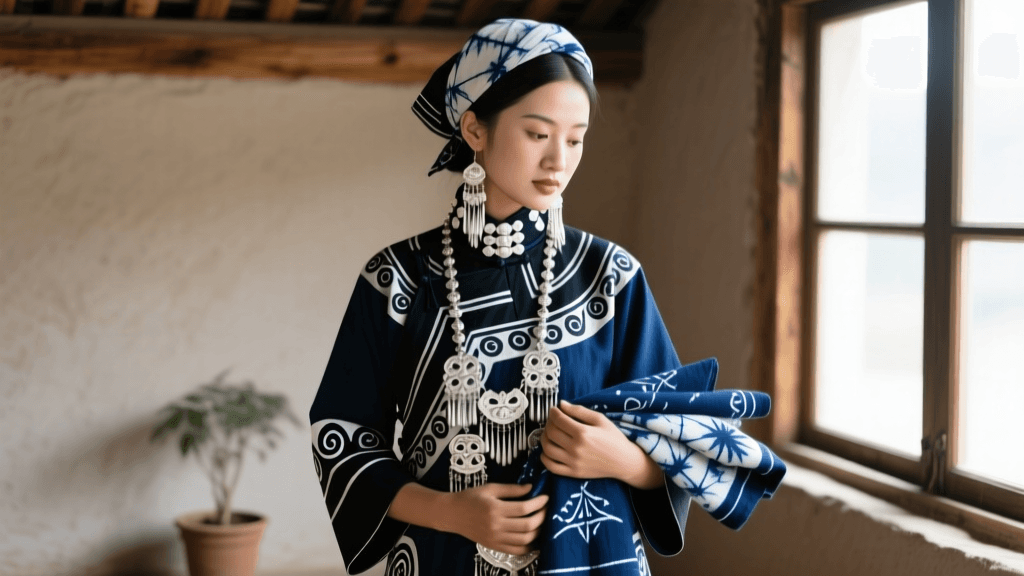
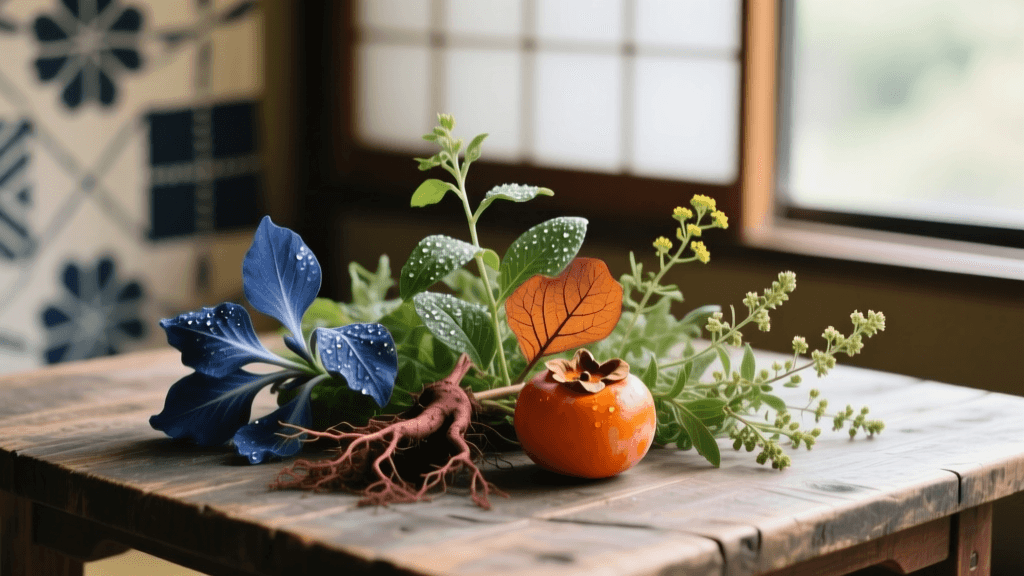
As the global fashion industry faces mounting pressure to eliminate petrochemical pollutants from its supply chains, the ancient Japanese art of kusaki-zome (plant dyeing) has experienced a monumental renaissance in 2026. Historically rooted in the Edo period, this traditional method of extracting color from leaves, bark, roots, and flowers is no longer just a niche heritage craft. Today, it stands at the forefront of the sustainable textile movement. With the implementation of stricter global wastewater regulations in 2026, eco-conscious designers and heritage studios in Japan are proving that natural dyes can be scaled responsibly without compromising ecological integrity.
Unlike synthetic dyes, which rely on heavy metals and toxic fixatives that devastate aquatic ecosystems, kusaki-zome embraces a closed-loop, biodegradable lifecycle. According to the UNEP Sustainable Fashion Initiative, the shift toward regenerative botanical dyes has become a critical pillar in achieving zero-waste textile production by the end of the decade. By utilizing agricultural byproducts and cultivating dedicated dye gardens, modern practitioners are honoring Asian traditions while pioneering the eco-friendly methods of tomorrow.
Core Japanese Botanical Dyes and Their 2026 Cultivation
The foundation of kusaki-zome lies in the careful selection and cultivation of native flora. In 2026, advancements in sustainable agriculture have optimized the yield and colorfastness of these traditional plants without the use of synthetic fertilizers.
Ai (Japanese Indigo - Polygonum tinctorium)
Cultivated primarily in Tokushima Prefecture, Ai is the undisputed king of Japanese natural dyes. The leaves are harvested in late summer and composted into sukumo. In 2026, Tokushima farmers have adopted AI-driven moisture sensors to perfect the 100-day fermentation process of sukumo, ensuring a higher concentration of indican (the color-producing compound) while reducing water waste by 30%. The resulting deep blue, known as Japan Blue, is renowned for its natural antibacterial properties and insect-repelling qualities.
Akane (Japanese Madder - Rubia argyi)
Akane roots yield a spectrum of warm reds and terracottas. Traditionally, the roots required three to five years to mature in the soil. To meet the surging 2026 demand for natural reds, agricultural cooperatives in Nara have introduced aeroponic cultivation systems for Akane. This soil-less method accelerates root maturation to just 18 months, prevents soil depletion, and allows for the precise control of alizarin (the red pigment) levels.
Kariyasu (Yellow Grass - Cariya)
Historically reserved for the imperial family, Kariyasu grass produces a brilliant, luminous yellow. It is traditionally harvested in autumn. Modern eco-studios now practice rotational harvesting, leaving 40% of the wild grass uncut to maintain local biodiversity and support pollinator populations, aligning with 2026 biodiversity conservation standards.
Kurumi (Walnut - Juglans ailantifolia)
Kurumi dyeing represents the ultimate zero-waste practice. Rather than cultivating plants specifically for dye, artisans harvest the fallen, discarded green husks of the Japanese walnut in late autumn. The high juglone content in the husks produces rich, earthy browns and deep greys. This upcycling of agricultural waste has become a cornerstone of circular fashion initiatives in rural Japan.
Eco-Friendly Mordanting: Moving Beyond Heavy Metals
A major criticism of historical natural dyeing was the occasional use of toxic heavy metal mordants (like chrome or tin) to bind the dye to the fiber. In 2026, the kusaki-zome community has universally adopted bio-mordants and mineral alternatives that are entirely safe for the environment and human skin.
- Myoban (Alum): Potassium aluminum sulfate is the most common mordant. When sourced responsibly and used in controlled, low-concentration vats, it is considered environmentally benign and easily filtered out of studio wastewater.
- Dorozome (Iron Mud): Originating from Amami Oshima, this technique uses naturally iron-rich paddy mud to darken colors and create deep purples and blacks. The mud is returned to the earth after use, creating a perfectly circular process.
- Gojiru (Soy Milk): For cellulose fibers like cotton and hemp, which naturally resist plant dyes, artisans use soy milk as a protein binder. The proteins in the soy coat the plant fibers, allowing them to accept botanical dyes just as easily as animal fibers like silk or wool, completely eliminating the need for metallic mordants.
Environmental Impact: Natural vs. Synthetic Dyes in 2026
To understand the necessity of kusaki-zome, we must compare its ecological footprint against conventional synthetic dyeing. The data below reflects industry averages for 2026, highlighting the dramatic environmental advantages of botanical methods.
| Metric | Synthetic Petrochemical Dyes | Japanese Natural Dyes (Kusaki-Zome) |
|---|---|---|
| Water Consumption (per kg of fabric) | 100 - 150 Liters | 20 - 40 Liters (using closed-loop vats) |
| Toxic Wastewater Runoff | High (Heavy metals, azo dyes) | Zero (Biodegradable, compostable) |
| Carbon Footprint | High (Fossil fuel extraction) | Carbon Negative (Plant sequestration) |
| Microplastic Shedding | Severe (when paired with synthetics) | None (used exclusively on natural fibers) |
| Average Cost per kg (2026) | $12 - $18 USD | $45 - $80 USD (Reflecting fair-trade farming) |
While the upfront cost of natural dyes remains higher, the Textile Exchange notes that the true cost of synthetic dyes—when factoring in water purification, environmental remediation, and health impacts—makes kusaki-zome the more economically viable choice for a sustainable future.
Step-by-Step Zero-Waste Ai (Indigo) Dyeing Guide
Creating a traditional Ai vat in 2026 is a meticulous process that requires patience and an understanding of natural chemistry. Here is a practical guide to setting up a small-scale, eco-friendly indigo vat.
1. Preparing the Fiber with Gojiru
Before dyeing cotton or hemp, soak the scoured fabric in a solution of 1 part organic soy milk to 4 parts distilled water. Knead the fabric gently for 15 minutes to ensure the soy proteins penetrate the cellulose. Air dry the fabric completely. This creates a permanent, eco-friendly bridge for the indigo molecules.
2. Building the Sukumo Vat
In a specialized wooden or stainless-steel vat, combine 500g of high-quality Tokushima sukumo, 50g of natural wood ash lye (to raise the pH to 11.0), and 30ml of sake or wheat bran to feed the bacteria. Add warm water (maintained at exactly 25°C using modern solar-powered vat heaters). Stir gently once a day. Within 7 to 10 days, the vat will develop a coppery sheen and a floral, earthy aroma, indicating the indigo-reducing bacteria are active.
3. The Dyeing and Oxidation Process
Submerge your pre-mordanted fabric into the vat for 10 minutes, gently massaging it to ensure even saturation. Remove the fabric; it will appear yellow-green. As it meets the oxygen in the air, a magical oxidation process occurs, and the fabric slowly turns a vibrant blue. Repeat this dip-and-oxidize cycle 10 to 15 times to achieve a deep, colorfast kame-nozoki or ai-iro blue. Finally, wash the fabric in cold, pH-neutral water and dry it in the shade.
Cultivating a Sustainable Urban Dye Garden
You do not need a sprawling farm in rural Japan to participate in the kusaki-zome movement. In 2026, urban dye gardening has become a popular way for city dwellers to connect with Asian traditions. Japanese indigo (Polygonum tinctorium) thrives in deep containers on sunny balconies. Marigolds, onion skins, and pomegranate rinds—common kitchen and garden wastes—can also be utilized to create vibrant yellows and ochres.
By integrating these natural dye plants into our daily lives, we actively reject the fast-fashion paradigm. We choose garments that tell a story of the earth, the seasons, and the meticulous care of human hands. As we move further into 2026, the survival and evolution of kusaki-zome serve as a powerful reminder that the most sustainable innovations are often the ancient traditions we choose to preserve.