Styling the Haori Jacket: Japanese Outerwear in Street Fashion

The Haori: From Edo Period Elegance to Streetwear Staple
In the ever-evolving landscape of global street fashion, few garments bridge the gap between centuries-old heritage and contemporary urban style as seamlessly as the Japanese haori. While the kimono often dominates Western perceptions of traditional Japanese dress, it is the haori—a hip- or thigh-length jacket worn open over a kimono—that has found a second life in the wardrobes of modern streetwear enthusiasts. From the neon-lit alleys of Harajuku to the minimalist boutiques of Daikanyama, and eventually to the runways of Paris and the streets of New York, the haori has transcended its ceremonial roots to become a versatile layering piece.
According to The Metropolitan Museum of Art, the haori originated as a practical outer garment for samurai and later became a canvas for subtle, hidden luxury during the Edo period. Today, fashion-forward individuals are reclaiming this silhouette, pairing it with everything from raw selvedge denim to technical nylon cargo pants. This guide will provide you with actionable advice on how to measure, source, and style the traditional haori for a modern streetwear aesthetic.
Anatomy and Fabric Choices for the Urban Environment
Understanding the structure of the haori is crucial for styling it correctly. Unlike Western jackets, the haori features a straight, non-overlapping front that is designed to be worn open, creating a dramatic, flowing drape. The sleeves (sode) are typically wide and feature deep, open slits at the back, allowing for unrestricted movement and excellent ventilation. The side slits (miyatsukuchi) further enhance mobility, making it an ideal layering piece over bulky streetwear silhouettes.
When selecting a haori for streetwear, the fabric dictates the vibe of the outfit:
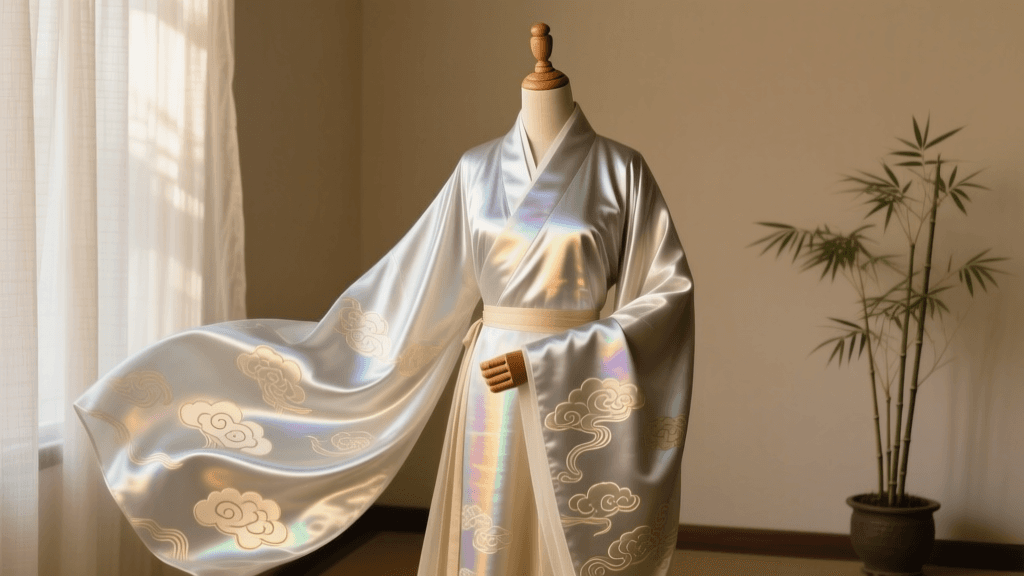
- Silk (Tsumugi or Rinzu): Best for high-fashion, minimalist, or avant-garde streetwear. Silk catches the light beautifully but requires careful maintenance and is best reserved for dry weather.
- Cotton (Indigo-dyed or Sashiko): The quintessential choice for vintage Americana and workwear-inspired streetwear. Cotton haori, often resembling the noragi (farmer's jacket), are durable, washable, and develop a beautiful patina over time.
- Synthetic Blends (Polyester): Modern reproductions often use polyester. While purists may scoff, these are highly practical for daily streetwear, offering water resistance and machine-washable convenience.
Sizing and Measurements: Getting the Right Fit
Traditional Japanese garments are not sized by standard Western metrics (S, M, L). Instead, they are measured flat. To achieve the oversized, relaxed drape preferred in modern street fashion, you must understand two critical measurements:
Key Measurements
- Yuki (Sleeve Length): Measured from the center back of the neck, across the shoulder, and down to the wrist. For a modern streetwear look, look for a Yuki of at least 70cm (27.5 inches) to ensure the sleeves drape elegantly over long-sleeve tees or hoodies.
- Mitake (Back Length): Measured from the base of the collar down the center back to the hem. Vintage women's haori often run short (75-80cm), which can look boxy. For a contemporary streetwear silhouette, aim for a Mitake of 90cm to 105cm (35-41 inches), allowing the jacket to fall around the mid-thigh, mimicking the proportions of a modern trench coat or longline cardigan.
3 Actionable Streetwear Styling Formulas
Integrating a haori into your daily rotation requires balancing its traditional volume with modern proportions. Here are three proven styling formulas:
1. The Techwear Fusion
Contrast the organic drape of a silk or synthetic haori with the utilitarian edge of techwear. Start with a water-resistant black haori featuring a subtle geometric pattern. Layer it over a fitted, high-neck merino wool base layer and a pair of tapered nylon cargo pants. Finish the look with chunky, aggressive trail sneakers like the Salomon XT-6 or Hoka One One. The juxtaposition of ancient silhouette and modern technical fabrics creates a striking, futuristic aesthetic.
2. The Minimalist Drape
For a cleaner, Daikanyama-inspired look, lean into tonal dressing. Choose a solid-colored, unpatterned silk haori in charcoal, navy, or olive. Wear it over a heavyweight cotton turtleneck and wide-leg wool trousers. The lack of overlapping front on the haori allows the texture of the turtleneck and trousers to breathe. Footwear should be understated—think polished leather loafers or minimalist white sneakers like the Common Projects Achilles.
3. The Vintage Americana (Workwear)
Lean into the rugged history of Japanese cotton garments. Source a vintage, indigo-dyed cotton haori with visible sashiko stitching. Pair it with a faded graphic tee, a heavy flannel overshirt left unbuttoned, and 14oz to 21oz raw selvedge denim. Cuff the denim to highlight a pair of heritage boots, such as Red Wing Iron Rangers or Viberg Service Boots. This look honors the historical craftsmanship celebrated in global exhibitions while grounding it in rugged street culture.
The Haori-Himo: To Tie or Not to Tie?
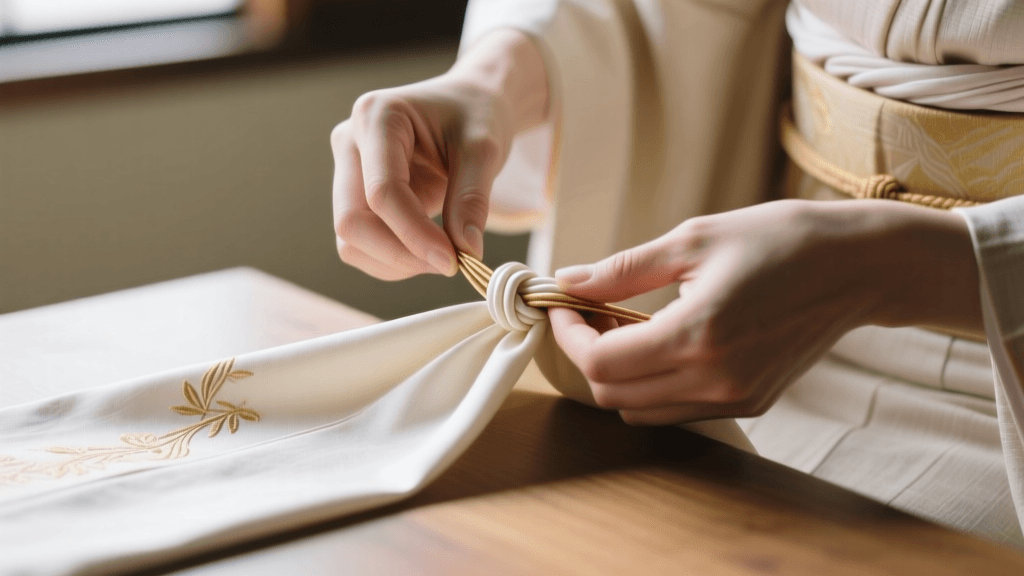
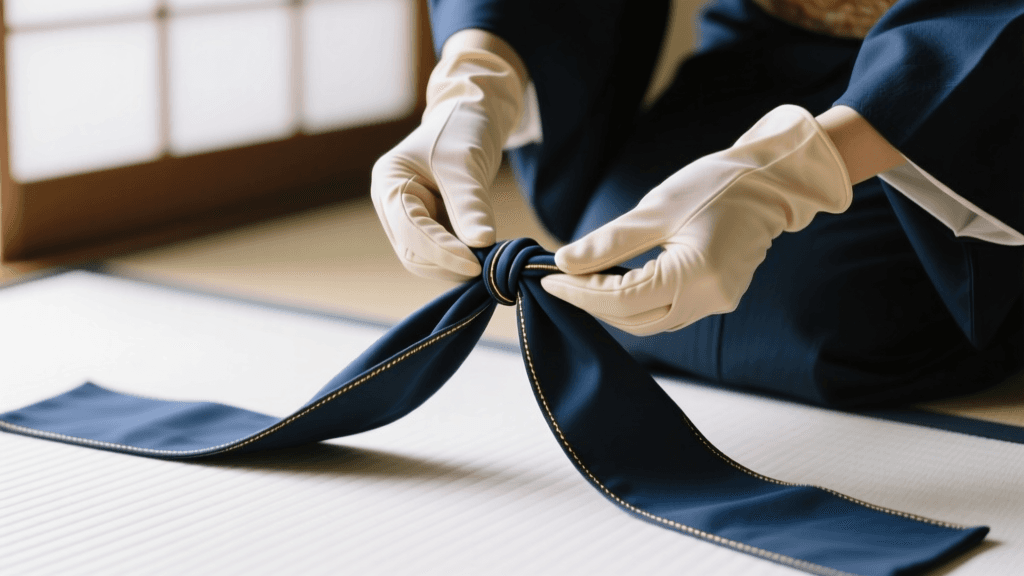
The haori-himo is the traditional braided cord used to tie the front panels of the jacket together. In traditional settings, tying it is a sign of respect and formality. However, in modern street fashion, the consensus is clear: leave it untied. Allowing the haori to remain open creates movement, showcases the layers underneath, and prevents the garment from looking like a costume. If the himo is dangling and getting in the way, simply tuck the cords into the side slits (miyatsukuchi) or remove them entirely for a cleaner, modernized silhouette.
Sourcing and Cost Guide
Finding the right haori requires knowing where to look. The secondary market is flooded with vintage pieces, but quality and pricing vary wildly. Below is a comparison chart to help you navigate your purchasing options.
| Source Type | Price Range (USD) | Condition & Quality | Best For |
|---|---|---|---|
| Japanese Thrift Stores (Shimokitazawa/Koenji) | $15 - $40 | Variable; requires hunting. Often excellent vintage silk and cotton. | Budget-conscious buyers and vintage purists. |
| Online Vintage (Etsy / eBay / Yahoo Auctions) | $40 - $150 | Curated; sellers provide exact measurements and condition reports. | International buyers seeking specific patterns or fabrics. |
| Modern Artisan Brands (e.g., Kapok, Yamato) | $200 - $500+ | Pristine; modern sizing, washable fabrics, contemporary patterns. | Those wanting modern convenience with traditional tailoring. |
| Fast Fashion Adaptations | $30 - $80 | Mass-produced; often inaccurate silhouettes and cheap synthetics. | Costume parties; generally avoided by streetwear enthusiasts. |
As noted by the Victoria and Albert Museum in their extensive exploration of Japanese dress, the global appetite for authentic kimono and haori has spurred a vibrant revival market, making it easier than ever to source genuine articles outside of Japan.
Care and Maintenance for Longevity
Proper care is essential, especially for vintage silk haori. Never hang a silk haori on a wire or thin plastic hanger; the weight of the fabric will distort the shoulders and cause permanent creasing. Instead, use a wide, padded wooden hanger. If you must fold it for storage, use tatou-shi (acid-free tissue paper) to prevent the silk proteins from breaking down and to absorb ambient moisture.
For cotton and synthetic haori, care is much more forgiving. Cotton indigo pieces should be washed separately in cold water with a mild, pH-neutral detergent to prevent excessive bleeding, then air-dried in the shade to prevent UV fading. By treating these garments with respect, you ensure that this remarkable piece of Asian tradition continues to evolve and thrive on the streets of the modern world.