Museum-Grade Archival Storage for Vintage Silk Kimonos 2026
The Evolution of Kimono Preservation in 2026
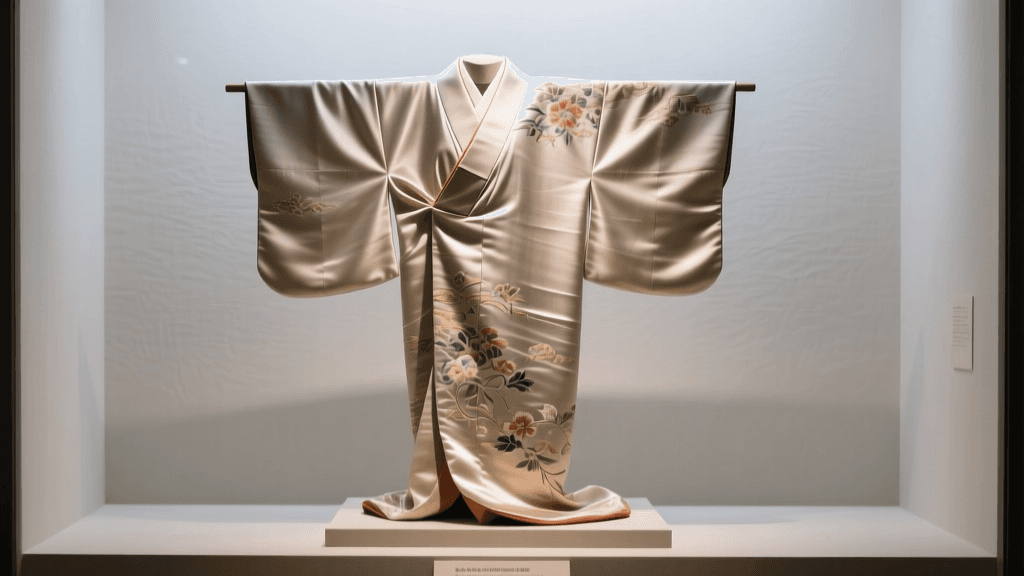
Preserving vintage silk kimonos requires a delicate balance of traditional respect and modern conservation science. Garments featuring intricate yuzen dyeing, shibori tie-dye, and delicate nishijin-ori brocades are constructed from protein-based silk fibers that are highly susceptible to environmental degradation. As of 2026, the consensus among textile conservators has shifted dramatically away from the use of harsh chemical mothballs and non-breathable plastic enclosures. Today, collectors and cultural institutions prioritize museum-grade archival storage, focusing on pH-neutral materials, precise climate control, and non-destructive spot-cleaning methodologies to ensure these masterpieces of Asian traditional dress survive for future generations.
Whether you are safeguarding a family heirloom from the Taisho era or a mid-century Showa piece, understanding the current 2026 standards for textile preservation is critical. The guidelines established by leading conservation bodies emphasize preventive care over invasive restoration, ensuring that the structural integrity and historical patina of the silk remain uncompromised.
Essential Archival Storage Materials
The foundation of any preservation strategy lies in the materials that come into direct contact with the garment. In 2026, the use of standard cardboard, wooden hangers, and synthetic plastic bins is strictly prohibited in professional archival settings due to off-gassing and acid migration.
Unbuffered Acid-Free Tissue Paper
Silk is a protein fiber that is sensitive to alkaline environments. While buffered acid-free tissue (which contains calcium carbonate to maintain an alkaline pH) is excellent for plant-based fibers like cotton or linen, it can damage silk over time. For vintage kimonos, you must exclusively use unbuffered, pH-neutral acid-free tissue paper. This tissue acts as a physical barrier against dust and light while preventing acid migration that causes silk to become brittle and shatter.
Paulownia (Kiri) Boxes vs. Archival Corrugated Board
Traditionally, kimonos are stored in paulownia wood boxes (kiri bako). Paulownia is naturally resistant to pests and possesses excellent hygroscopic properties, meaning it absorbs and releases moisture to buffer humidity changes. However, modern conservationists note that as 2026 climate patterns become more erratic, relying solely on wood can be risky if the wood itself was treated with unknown historical varnishes. For guaranteed safety, museum-grade archival corrugated board boxes, lined with unbleached cotton muslin, are now considered the gold standard for long-term flat storage.
Climate Control: Temperature and Humidity Metrics
Fluctuations in temperature and relative humidity (RH) are the primary catalysts for silk degradation. High humidity promotes mold growth and causes metallic threads to tarnish, while low humidity desiccates the fibers, leading to irreversible splitting.
According to the Canadian Conservation Institute, the ideal storage environment for silk textiles requires strict environmental controls. In 2026, the recommended parameters are:
- Temperature: A stable 65°F to 68°F (18°C to 20°C).
- Relative Humidity: A consistent 45% to 55% RH.
- Light Exposure: Zero UV exposure. Storage areas must be kept in total darkness, as silk is highly prone to photo-oxidation, which causes permanent yellowing and fading of vibrant yuzen dyes.
To maintain these metrics, modern collectors utilize smart hygrometers with remote monitoring capabilities, allowing them to track micro-climate fluctuations inside storage enclosures in real-time. Silica gel cassettes, specifically conditioned to 50% RH, are placed inside archival boxes to buffer against sudden humidity spikes.
The Hon-Datami Folding Technique and Crease Padding
Kimonos are designed to be stored flat, utilizing a specific traditional folding method known as hon-datami. Hanging a vintage silk kimono for long periods places undue stress on the shoulder seams and distorts the weave, particularly in heavily embroidered areas.
Step-by-Step Hon-Datami Folding
- Lay the kimono face down on a clean, unbleached cotton muslin sheet.
- Fold the left front panel back along the center seam.
- Fold the right front panel over the left, aligning the edges.
- Fold the sleeves back so they do not extend beyond the body of the garment.
- Fold the garment in half horizontally, bringing the hem to the collar.
- Fold in thirds or halves depending on the size of your archival box.
The Critical Step: Padding the Folds
Sharp creases cause the silk fibers to break over time, leading to severe damage along the fold lines. The Victoria and Albert Museum recommends padding all folds to prevent hard creases. Roll unbuffered acid-free tissue paper into soft 'sausages' and place them inside every fold of the hon-datami. This creates a gentle curve rather than a sharp crease, significantly extending the lifespan of the textile.
Non-Destructive Spot Cleaning and Stain Triage
Vintage kimonos often present with localized staining, such as age spots, oxidized metallic threads, or historical makeup transfers. Immersion washing is highly dangerous for garments with water-soluble dyes or delicate shibori bindings. In 2026, the focus is on localized, non-destructive triage.
For dry particulate soil, conservators use specialized vulcanized rubber conservation sponges to gently lift dust from the surface of the silk without introducing moisture. For localized organic stains, a micro-spatula is used to apply minute amounts of conservation-grade enzymatic cleaners formulated specifically for protein fibers. These cleaners break down biological matter without altering the pH of the surrounding silk. It is crucial to always test any cleaning agent on an inconspicuous area, such as the inside of the hem, and to blot—never rub—the stain to prevent the dye from bleeding.
Storage Material Comparison Chart
Choosing the right storage enclosure is vital for long-term preservation. Below is a comparison of common storage materials evaluated against 2026 conservation standards.
| Storage Material | Pros | Cons | 2026 Estimated Cost |
|---|---|---|---|
| Paulownia Wood (Kiri Bako) | Traditional, natural humidity buffering, pest-resistant. | Heavy, expensive, historical boxes may contain unknown finishes. | $250 - $600+ |
| Archival Corrugated Board | pH-neutral, lightweight, customizable, museum-standard. | Less aesthetically pleasing, requires separate humidity buffering. | $80 - $150 |
| Polypropylene Plastic Bins | Waterproof, cheap, readily available. | Traps moisture, promotes mold, off-gasses over time. NOT recommended. | $15 - $30 |
| Unbleached Cotton Muslin Bags | Breathable, excellent for short-term transport or closet storage. | Offers no protection from pests, light, or humidity fluctuations. | $20 - $45 |
Pest Management Without Toxic Chemicals
Silk is a primary food source for the larvae of webbing clothes moths and carpet beetles. Historically, collectors relied on naphthalene or paradichlorobenzene mothballs. In 2026, these chemicals are widely recognized as hazardous to human health and actively detrimental to textiles, causing plasticization of fibers and tarnishing of metallic gold and silver threads.
Modern pest management relies on integrated pest management (IPM) strategies. If an infestation is suspected, the safest and most effective treatment is the freezing protocol. The garment is sealed in a breathable cotton bag, placed inside a polyethylene zip-lock to prevent condensation, and frozen at -20°C (-4°F) for 72 hours. After freezing, the garment is allowed to thaw slowly at room temperature before being removed from the plastic. This thermal shock eliminates all life stages of the pest without introducing chemicals to the fragile silk.
For preventive measures, cedar blocks and dried neem leaves are placed in the storage room (never directly touching the silk) to act as natural, non-toxic deterrents. Regular inspection every six months ensures that any potential pest activity is caught before structural damage occurs.
Conclusion
Preserving a vintage silk kimono is an act of cultural stewardship. By adopting the 2026 standards for museum-grade archival storage, utilizing unbuffered acid-free materials, maintaining strict climate control, and employing non-destructive cleaning techniques, collectors can ensure that these breathtaking examples of Asian sartorial heritage remain vibrant and intact for centuries to come.