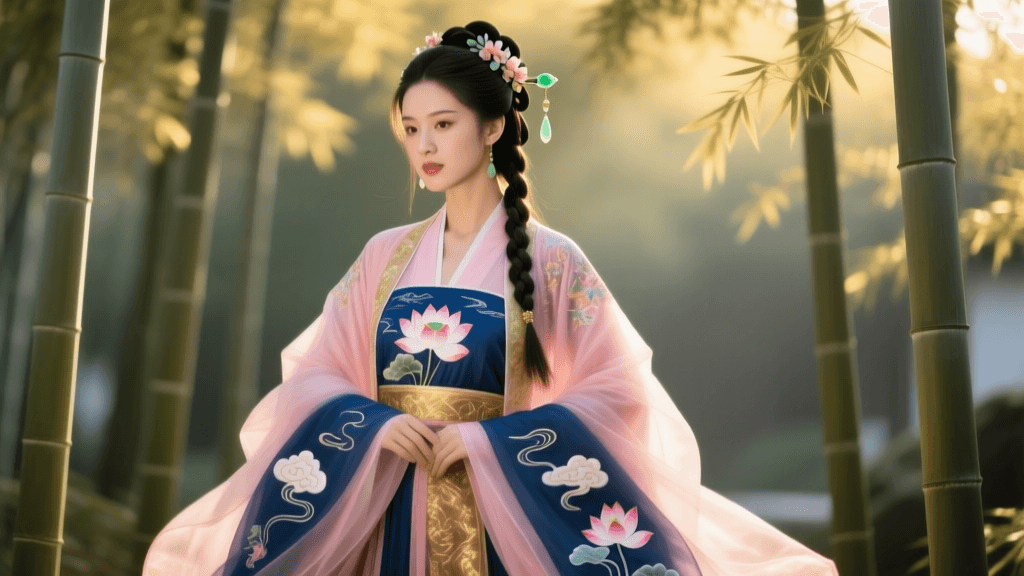
Hanfu for Extreme Climates: Tropical, Desert & Cold Guide 2026
The Global Hanfu Movement in 2026: Dressing for the Elements
The global resurgence of Hanfu (traditional Chinese clothing) has evolved far beyond ceremonial wear and historical reenactment. As we navigate through 2026, the Hanfu community is truly global, with dedicated enthusiasts living in some of the most unforgiving climates on Earth. From the sweltering, high-humidity streets of Singapore and Kuala Lumpur to the arid, sun-baked deserts of Dubai and the American Southwest, and finally to the sub-zero, biting winds of Harbin and Northern Europe, wearing traditional garments requires a deep understanding of historical textiles and modern adaptations. The challenge lies in maintaining the structural integrity and aesthetic elegance of Hanfu while ensuring the wearer's comfort and safety in extreme weather conditions.
Historically, Chinese clothing was deeply intertwined with the changing of the seasons and the specific microclimates of various dynasties. Today, the 2026 Hanfu market offers an unprecedented fusion of ancient weaving techniques and cutting-edge material science. Whether you are attending a summer solstice festival in a tropical rainforest or a winter lantern parade in a snowstorm, understanding the intersection of traditional garment architecture and climate-specific fabrics is essential. This comprehensive guide explores how to adapt, source, and wear Hanfu across the world's most extreme environments.
Tropical and Humid Climates: Mastering Breathability and Moisture Control
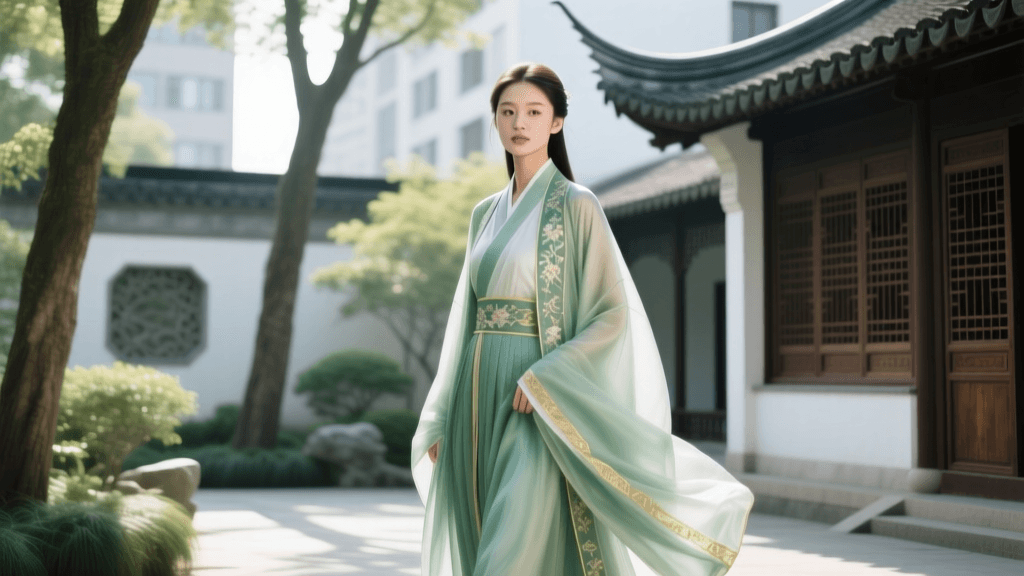
Wearing Hanfu in tropical regions—characterized by high temperatures and oppressive humidity—requires a strategic approach to fabric selection and silhouette. The primary goal is to facilitate air circulation, wick moisture away from the skin, and prevent the heavy clinging that can occur with synthetic blends. In 2026, the most sought-after garments for these regions draw heavy inspiration from the Song Dynasty, an era renowned for its minimalist, lightweight, and highly breathable layers.
Key Fabrics: Ramie (Xiabu) and Xiangyunsha
For tropical heat, Ramie (commonly known as Xiabu or summer cloth) remains the undisputed champion. Ramie is a bast fiber that is naturally resistant to bacteria and mold, making it ideal for humid environments. Unlike cotton, which absorbs moisture and stays wet, ramie wicks sweat and dries rapidly, creating a cooling effect on the skin. Modern 2026 weaving techniques have softened the traditionally stiff texture of ramie, resulting in 'cloud-soft' Xiabu that drapes beautifully without sacrificing its structural crispness.
Another luxurious option is Xiangyunsha, a heritage silk dyed using the tannin-rich juice of the薯莨 (Dioscorea cirrhosa) plant and mud from the Pearl River Delta. As recognized by UNESCO's Intangible Cultural Heritage list regarding Chinese sericulture and silk craftsmanship, this complex dyeing process results in a fabric that is naturally cooling, water-resistant, and exceptionally lightweight. The mud-dyeing process alters the silk's protein structure, making it less prone to clinging to the skin when sweating, a vital feature for tropical Hanfu wearers.
Recommended Silhouettes
- Song Dynasty Beizi (褙子): An open-front, long jacket with narrow or straight sleeves. Worn over a lightweight camisole (Moxiong), the open front allows for maximum cross-breeze ventilation.
- Banbi (半臂): A short-sleeved or sleeveless vest that provides the layered aesthetic of Hanfu without the thermal burden of long sleeves.
- Lightweight Mamianqun (马面裙): Opt for single-layer, unlined horse-face skirts made from high-twist crepe silk or ramie blends, which prevent the skirt from wrapping around the legs in humid winds.
Arid and Desert Climates: UV Protection and Thermoregulation
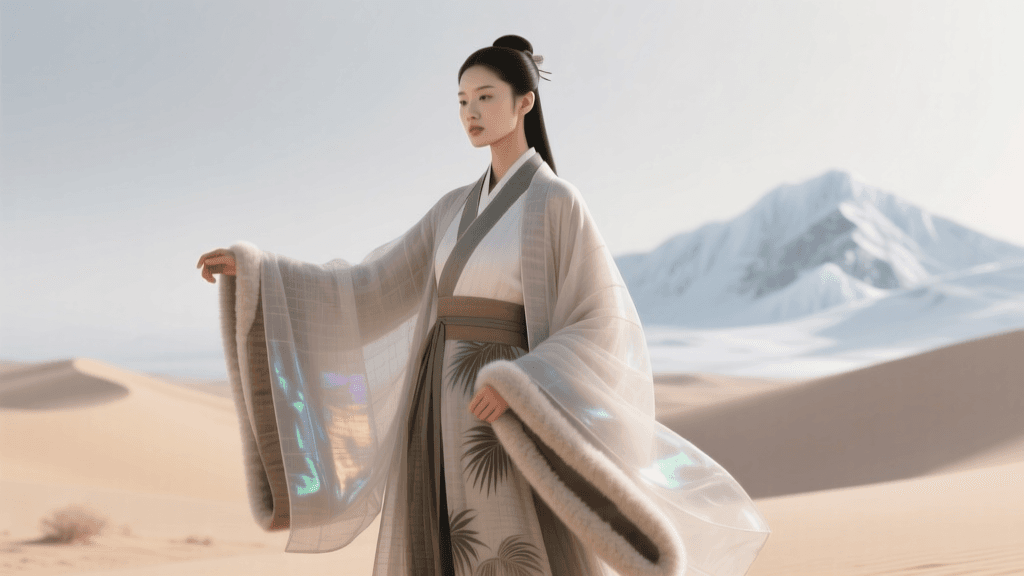
Desert environments present a completely different set of challenges: extreme solar radiation, low humidity, and drastic temperature drops after sunset. In arid regions, the objective is not necessarily to expose the skin to the air, but to create a protective microclimate between the body and the garment. Historical records show that travelers along the ancient Silk Road relied on full-coverage, loose-fitting garments to trap a layer of insulating air that protected against both the scorching sun and the dry, abrasive winds.
Key Fabrics: Hemp, Linen, and Dense Silk Weaves
In 2026, desert-ready Hanfu heavily utilizes high-grade hemp and linen blends. These plant-based fibers possess natural UV-blocking properties and a hollow core that provides excellent thermoregulation. Furthermore, the market has seen a rise in dupioni silk and dense tussah weaves. Unlike the delicate, translucent silks of the Jiangnan region, these wild silks are thicker, more textured, and offer superior protection against ultraviolet rays while remaining entirely breathable.
Recommended Silhouettes
- Wei-Jin Shenyi (深衣): The deep, one-piece robe with wide, flowing sleeves creates a bellows effect as the wearer moves, pumping cool air into the garment and pushing hot air out through the collar and cuffs.
- Tang Dynasty Yuanlingpao (圆领袍): A round-collared robe that can be worn with the sleeves tied back or left down for full sun protection. In 2026, many desert enthusiasts pair this with a modern, breathable cotton-linen under-robe to absorb perspiration.
- Weimao (帷帽) Adaptations: Historically, wide-brimmed hats with veils were used by travelers to protect against sandstorms and sun. Today, modern Hanfu wearers in the Middle East and American deserts utilize wide-brimmed bamboo hats paired with lightweight, UV-blocking silk veils.
Freezing and Cold Regions: Insulation and Historical Layering
Winter in regions like Northern China, Russia, and Scandinavia demands serious insulation. The Ming Dynasty provides the ultimate historical blueprint for cold-weather Hanfu, characterized by structured, padded garments and high collars that seal in body heat. According to the Metropolitan Museum of Art's overview of Ming Dynasty aesthetics, the era's clothing was heavily influenced by the need for warmth, leading to the widespread use of padded jackets, fur trims, and heavy brocades.
Key Fabrics: Wool, Padded Cotton, and 2026 Smart Textiles
Traditional cold-weather Hanfu relies on layered wool and silk-floss padding. However, the 2026 market has introduced revolutionary graphene-infused thermal linings and aerogel padding. These modern materials are integrated into the lining of traditional Ao (袄) jackets, providing the thermal retention of heavy winter coats without destroying the historical drape and silhouette of the garment. For the outer layers, heavy silk brocade (Zhuanghua) and velvet-textured textiles are favored for their wind-blocking capabilities.
Recommended Silhouettes
- Ming Dynasty Aoqun (袄裙): A lined or padded upper jacket (Ao) with a high collar, paired with a thick, pleated skirt. The high collar, often fastened with intricate metal buttons, prevents cold drafts from reaching the neck.
- Doupeng (斗篷): A sweeping, hooded cloak that drapes over the shoulders and fastens at the neck. In 2026, many Doupeng are lined with ethically sourced faux-fur or advanced thermal fleece, providing full-body wind protection.
- Woma (卧兔): A traditional fur or faux-fur headband worn around the forehead and ears, essential for preventing heat loss from the head while maintaining the visibility of elaborate Ming-style hairstyles and hairpins.
2026 Hanfu Climate Compatibility Chart
To help you plan your wardrobe, consult the following compatibility chart detailing the best combinations of historical styles and modern fabrics for various extreme environments.
| Climate Zone | Ideal Historical Style | Recommended 2026 Fabric | Key Functional Benefit |
|---|---|---|---|
| Tropical / Humid | Song Dynasty Beizi | Cloud-soft Ramie (Xiabu) | Rapid moisture wicking and anti-bacterial properties |
| Arid / Desert | Wei-Jin Shenyi | Dense Tussah Silk / Hemp | UV radiation blocking and microclimate creation |
| Sub-Zero / Cold | Ming Dynasty Aoqun | Brocade with Aerogel Padding | Maximum thermal retention without silhouette bulk |
| High Wind / Coastal | Tang Yuanlingpao | Heavy Crepe & Linen Blends | Wind resistance and structural drape stability |
Modern Innovations: Tech-Infused Hanfu in 2026
The most exciting development in the 2026 Hanfu landscape is the seamless integration of invisible climate-control technology. Leading Hanfu brands have begun collaborating with sportswear textile engineers to create 'smart linings.' For tropical wearers, phase-change material (PCM) microcapsules are now woven into the inner layers of Moxiong (camisoles), actively absorbing body heat when the skin temperature rises. For cold-weather enthusiasts, USB-rechargeable carbon-fiber heating pads are being discreetly sewn into the lower back and kidney zones of padded Ming jackets, powered by slim, hidden power banks. These innovations allow wearers to prioritize historical accuracy on the outside while enjoying 21st-century comfort on the inside.
Garment Care for Extreme Environments
Extreme climates not only affect the wearer but also take a toll on the garments. Proper maintenance is crucial for preserving these investments.
- In High Humidity: Silk and ramie must be stored in climate-controlled environments with silica gel packets to prevent mildew. Xiangyunsha, however, is naturally mold-resistant and can be gently wiped with a damp cloth rather than fully submerged in water, preserving its unique mud-dye patina.
- In Arid Deserts: The lack of moisture can cause natural silk fibers to become brittle over time. It is recommended to lightly steam your desert Hanfu after wearing and store them in breathable cotton garment bags rather than plastic, which can trap static and degrade the fibers. The Metropolitan Museum of Art's guidelines on Chinese silk conservation emphasize avoiding prolonged exposure to direct, unfiltered sunlight to prevent the irreversible fading of natural plant dyes.
- In Freezing Cold: Padded jackets and cloaks should never be dry-cleaned with harsh chemicals, as this strips the natural oils from silk brocades and degrades modern aerogel linings. Instead, spot clean the outer brocade and air out the inner thermal linings in a cool, dry room.
Conclusion
Wearing Hanfu in extreme climates is no longer a matter of enduring discomfort for the sake of aesthetics. The 2026 market offers a sophisticated array of historical silhouettes, heritage textiles like ramie and Xiangyunsha, and cutting-edge thermal technologies that allow traditional Chinese dress to be worn anywhere on the planet. By understanding the physics of your local climate and selecting the appropriate dynasty, fabric, and layering technique, you can honor the rich traditions of Asian garments while remaining perfectly comfortable, whether you are walking through a tropical monsoon or a desert sandstorm.