How to Style Hanfu Inspired by Chinese TV Drama Costumes
The Screen-to-Street Pipeline: How C-Dramas Sparked a Fashion Revolution
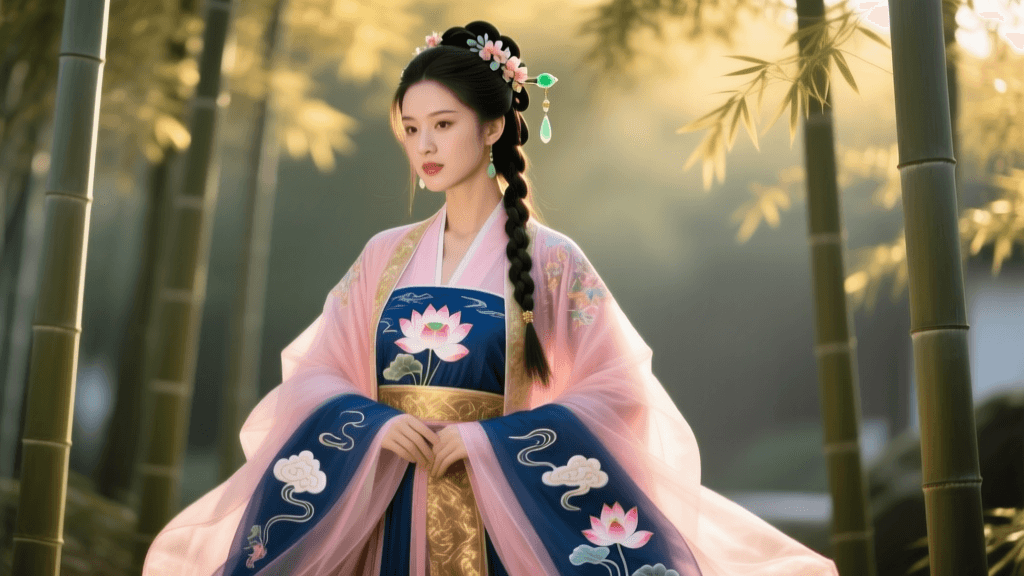
Over the past decade, Chinese historical and fantasy dramas have transcended mere entertainment to become powerful catalysts for cultural revival. The sweeping cinematography, intricate set designs, and, most importantly, the breathtaking traditional costumes have ignited a global renaissance in Hanfu (traditional Han Chinese clothing). According to industry analyses, the modern Hanfu movement has been heavily propelled by the visual appeal of these television shows, transforming niche historical reenactment into a mainstream fashion phenomenon. As noted by the Sixth Tone, the visibility of traditional garments on screen has directly correlated with a multi-billion dollar boom in the domestic Hanfu market, inspiring millions of young consumers to integrate these historical silhouettes into their daily wardrobes.
However, translating the ethereal, gravity-defying costumes of a high-budget television production into wearable, everyday fashion requires a strategic approach. Screen costumes are often tailored for dramatic effect, utilizing heavy layering, specialized lighting fabrics, and restrictive tailoring that doesn't always suit modern commuting. This comprehensive guide will decode the most iconic television Hanfu styles, provide actionable buying advice, and teach you how to adapt these dramatic looks for real-world wear.
Decoding Iconic Drama Hanfu Styles by Genre
Chinese television dramas generally fall into three distinct genres, each with its own historical or fantastical sartorial rules. Understanding these genres is the first step to curating an authentic, drama-inspired wardrobe.
Xianxia (Immortal Fantasy)
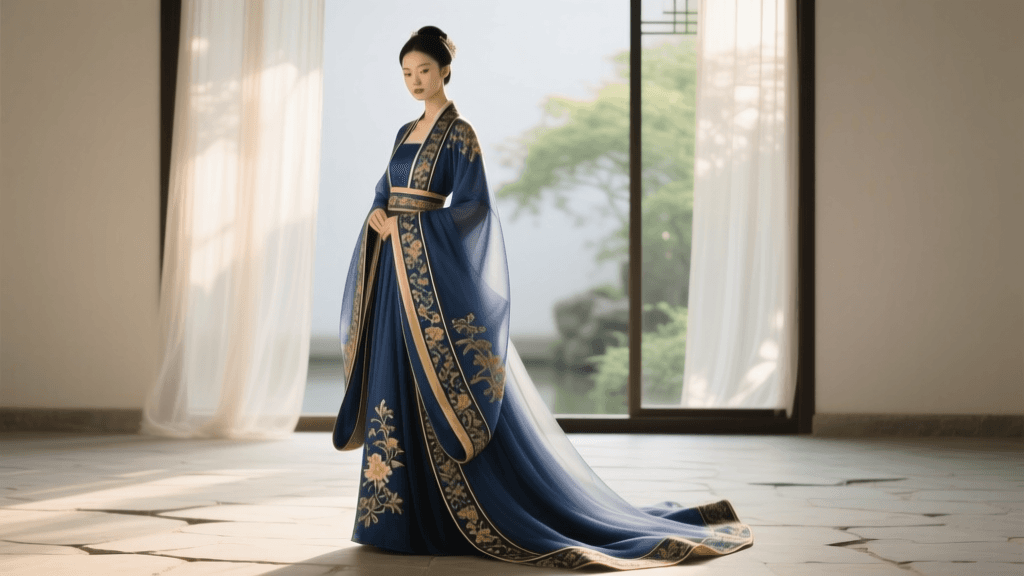
Shows like Love Between Fairy and Devil and Ashes of Love define the Xianxia aesthetic. The costumes here are characterized by their ethereal, flowing qualities. The quintessential garment is the Daxiushan (large-sleeved robe), often worn over a Qixiong Ruqun (chest-high skirt). To achieve the "immortal" look on screen, costume designers rely heavily on layered chiffon, organza, and silk georgette. These fabrics catch the wind and studio fans perfectly, creating a billowing effect. For real life, however, excessive layering can be cumbersome. The trick is to opt for a single-layered Daxiushan made of lightweight ramie or high-quality matte chiffon, which provides the dramatic sleeve drape without the overheating associated with synthetic screen fabrics.
Wuxia (Martial Arts)
Wuxia dramas, such as the global phenomenon The Untamed (based on Mo Dao Zu Shi) and Word of Honor, focus on martial artists and wandering swordsmen. The clothing must imply mobility, danger, and rugged elegance. The China Daily highlighted how the costume design in The Untamed specifically used color palettes and fabric textures to denote different martial sects, sparking massive trends in sectarian-inspired Hanfu. Key garments include the Yuanlingpao (round-collar robe) and Jiaoling Youren (cross-collared tops) with narrow sleeves. Leather bracers, wide obi-style belts, and darker, earth-toned brocades or heavy linens are essential. Wuxia Hanfu is highly practical for modern wear, as the narrow sleeves and structured waistlines easily parallel contemporary menswear and utilitarian fashion.
Historical Court & Slice-of-Life
Dramas like The Story of Minglan and Serenade of Peaceful Joy aim for strict historical accuracy, typically focusing on the Song or Ming dynasties. The Song Dynasty aesthetic is minimalist and intellectual, popularizing the Beizi (a long, open-front overcoat) paired with pleated skirts or narrow trousers. The Ming Dynasty aesthetic is opulent and structured, dominated by the Mamianqun (horse-face skirt) and standing-collar jackets (Liling Shan). These styles are currently the most popular for everyday street fashion because their silhouettes closely resemble modern long coats and A-line midi skirts.
Drama Subgenres and Hanfu Style Guide
To help you pinpoint the exact garments you need to recreate your favorite character's look, refer to the comparison chart below:
| Drama Genre | Iconic Hanfu Style | Key Garments | Best Fabrics for Daily Wear | Average Cost (USD) |
|---|---|---|---|---|
| Xianxia (Fantasy) | Ethereal, Flowing, High-Waisted | Daxiushan, Qixiong Ruqun, Pibo (shawl) | Matte Chiffon, Silk Georgette, Ramie | $45 - $120 |
| Wuxia (Martial Arts) | Structured, Utilitarian, Layered | Yuanlingpao, Narrow-sleeve Ru, Leather Bracers | Cotton-linen blends, Faux Suede, Brocade | $60 - $150 |
| Song Dynasty Court | Minimalist, Slender, Elegant | Beizi (overcoat), Song Ku (pleated trousers) | Raw Silk, Crepe, Lightweight Linen | $50 - $180 |
| Ming Dynasty Court | Opulent, Voluminous, Regal | Mamianqun, Liling Shan, Pifeng (cape) | Jacquard, Heavy Brocade, Velvet | $70 - $250+ |
Practical Buying Guide: Costs, Sizing, and Timing
Recreating screen-accurate looks requires navigating the unique ecosystem of Hanfu retail, which operates very differently from Western fast fashion. As reported by the South China Morning Post, the Hanfu industry relies heavily on specialized e-commerce platforms and independent studios rather than traditional brick-and-mortar stores.
Navigating the Pre-Order (Yushou) System
Unlike standard retail, high-quality Hanfu is predominantly sold via a pre-order system known as Yushou. When a studio releases a new design—often inspired by a trending TV drama—they open a deposit window. You pay a deposit (usually 10% to 20% of the total cost), and the garments are manufactured over a 30 to 45-day period. Once production is complete, you pay the final balance before shipping. Actionable Advice: If you are buying for a specific event, convention, or cosplay, you must account for this 45-day manufacturing window plus 10-15 days for international shipping. Always buy from established studios like ShiSanYu, ZhongLin, or MingHuatang to ensure screen-accurate embroidery and quality control.
Sizing and Measurements
Historical garments do not rely on modern S/M/L sizing, nor do they use darts or elastic. They are cut flat and wrapped. Therefore, precise body measurements are critical. When ordering a drama-inspired Mamianqun or Qixiong Ruqun, you must provide three key metrics:
- Bust/Chest: Measure around the fullest part. For cross-collared tops (Jiaoling), add 4-6 cm to your actual measurement to allow for the "cross" overlap and comfortable breathing room.
- Waist: Measure your natural waist. For chest-high skirts (Qixiong), measure the circumference just above your bust to ensure the skirt does not slip down.
- Skirt Length: This is where most international buyers make mistakes. Screen costumes often feature skirts that pool dramatically on the floor. For practical, everyday wear, measure from your waist (or chest, for Qixiong) down to your ankle bone. For a wearer who is 165 cm (5'5") tall, a standard ankle-length skirt should measure between 100 cm and 105 cm from the waistband to the hem. Floor-sweeping "goddess" lengths typically require 115 cm to 120 cm, but be prepared to step on the hem when wearing modern shoes.
Adapting Screen Costumes for Everyday Wear
The biggest challenge for drama fans is avoiding the "costume" look when stepping outside. To blend traditional Hanfu into a modern wardrobe, you must master the art of styling and proportion.
Mixing Historical and Modern Pieces
You do not need to wear a full, screen-accurate ensemble to capture the essence of your favorite character. A highly effective styling technique is the "half-Hanfu" approach. For example, pair a Ming Dynasty standing-collar jacket (Liling Shan) with a modern high-waisted wide-leg trouser or a pleated midi skirt. Alternatively, use a Song Dynasty Beizi as a lightweight summer duster over a modern camisole and jeans. This grounds the historical garment in contemporary reality while maintaining the elegant drape seen on television.
Hair, Makeup, and Accessories
Television hairstyles are notoriously complex, requiring wigs, wireframes, and heavy lacquers. For daily wear, adapt the silhouette using modern tools. Accessories: Invest in a minimalist metal or wooden Zanzi (hair stick) or a small Guan (crown). You can achieve a screen-accurate half-up, half-down hairstyle using a standard claw clip, then concealing the clip by sliding the Zanzi through the center. Footwear: While screen characters wear embroidered cloth boots (Xuezi), these lack arch support for modern concrete. Opt for modern leather Mary Janes, pointed-toe mules, or minimalist white sneakers. The contrast between a flowing Mamianqun and clean, modern footwear is a staple of contemporary Hanfu street style.
Color Theory and Character Homage
If you want to pay homage to a specific character without wearing an exact replica (which can feel like a cosplay costume), utilize color theory. For instance, to channel Wei Wuxian from The Untamed, pair a black cross-collared top with a dark crimson skirt and a silver waist chain. To emulate the serene elegance of Sheng Minglan from The Story of Minglan, stick to muted, earthy pastels like celadon green, pale lotus pink, and unbleached linen tones. This subtle approach allows you to carry the spirit of the drama into your daily life with sophistication and ease.
Conclusion
Chinese television dramas have provided a magnificent visual archive of traditional fashion, serving as a bridge between ancient history and modern identity. By understanding the distinctions between Xianxia, Wuxia, and historical court styles, and by navigating the practicalities of the Hanfu market, you can curate a wardrobe that is both culturally resonant and uniquely your own. Whether you are sweeping through a convention hall in a full Daxiushan or commuting to the office in a tailored Beizi, the magic of the screen is now firmly in your hands.