Children's Traditional Chinese Clothing: A Parent's Guide
The Rise of Children’s Traditional Chinese Clothing
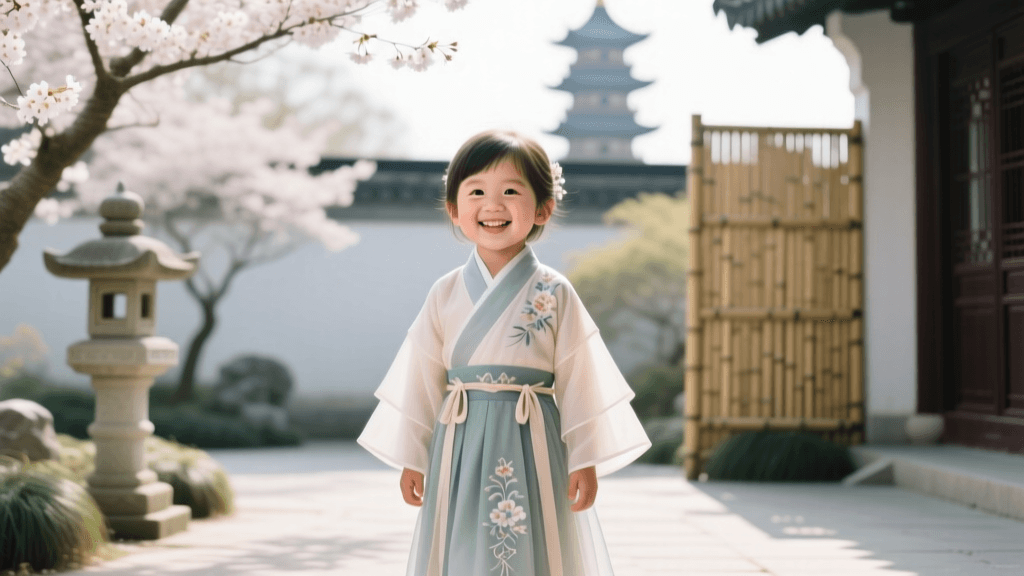
Over the past decade, the Hanfu movement and the broader revival of traditional Chinese aesthetics have transformed from a niche subculture into a mainstream cultural phenomenon. While much of the media spotlight focuses on young adults and teenagers, a rapidly growing segment of this movement is dedicated to children. Parents are increasingly seeking out traditional garments not just for annual holiday photos, but as a way to instill cultural pride, connect with heritage, and participate in a vibrant, living history. According to cultural analysts at Sixth Tone, the Hanfu boom is deeply tied to a renewed sense of national identity and aesthetic appreciation, which naturally extends to how parents choose to dress their children for festivals, family gatherings, and cultural excursions.
However, dressing children in historical garments presents unique challenges. Unlike adults, children require clothing that accommodates rapid growth, high energy levels, and sensitive skin. This comprehensive guide will help parents navigate the world of children's traditional Chinese clothing, covering everything from garment types and sizing to fabric safety and occasion-based styling.
Popular Styles for Kids: Hanfu, Tangzhuang, and Qipao
When shopping for traditional Chinese clothing for kids, you will primarily encounter three distinct categories. Each has its own historical context, aesthetic appeal, and practical considerations.
1. Hanfu (Historical Han Dress)
Hanfu refers to the historical clothing of the Han Chinese people, spanning several dynasties. For children, the most popular styles are the Ruqun (a blouse and wrap-skirt combination) and the Beizi (a long, open-front jacket worn over inner layers). Recently, the Mamianqun (horse-face skirt) has become incredibly popular for little girls due to its beautiful pleats and ease of movement. Hanfu is characterized by its flowing sleeves, crossed collars (always left over right), and sash ties. It is highly photogenic and ideal for outdoor cultural festivals or temple visits.
2. Tangzhuang (Tang Suit)
Despite its name, the Tangzhuang is actually derived from the Manchu clothing of the Qing Dynasty, adapted in the 20th century. It is the quintessential Lunar New Year outfit. Tangzhuang for kids typically features a mandarin collar, a straight cut, and distinctive knotted frog buttons (pankou). It is often made from festive brocade fabrics adorned with auspicious motifs like peonies, dragons, or koi fish. It is structured, warm, and perfect for winter holidays.
3. Qipao / Cheongsam
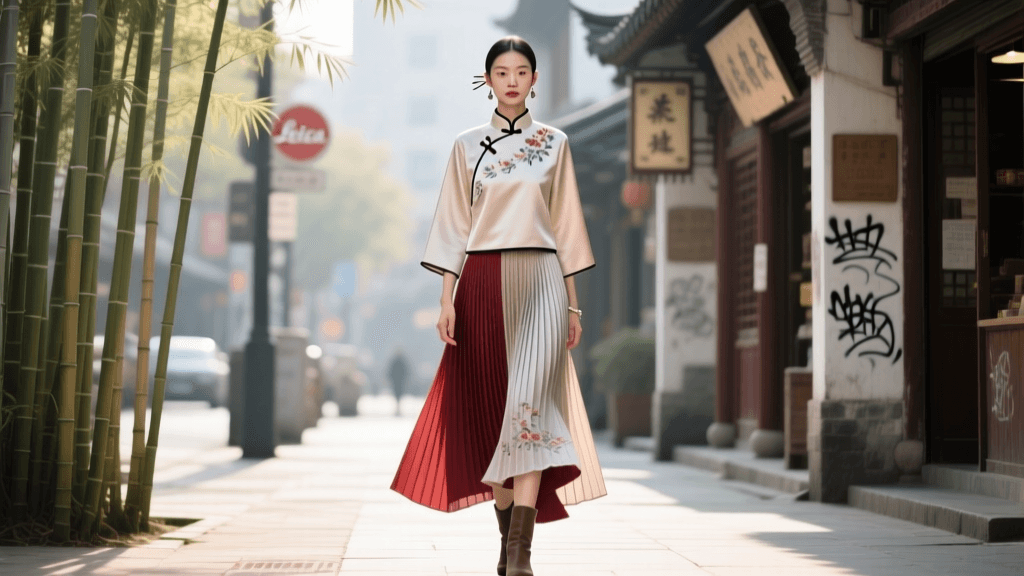
The Qipao is a form-fitting dress that gained popularity in 1920s Shanghai. For children, modern Qipaos are heavily modified for comfort. Instead of the tight, restrictive pencil skirts seen in adult formal wear, children's Qipaos feature A-line or flared skirts that allow for running and playing. They retain the elegant mandarin collar and side slits but are often made from breathable cottons or soft linens for everyday summer wear.
Sizing and Fit: A Practical Guide for Parents
Children grow at an unpredictable rate, making sizing one of the most frustrating aspects of buying traditional clothing, especially when ordering from Asian marketplaces like Taobao or specialized boutique sites. Traditional garments do not always follow Western sizing charts (e.g., 2T, 4T). Instead, they are usually sized by height in centimeters.
- Measure Height and Chest: Always measure your child's height and chest circumference. If a garment is labeled '110', it is designed for a child who is 100-110 cm tall.
- The 'Size Up' Rule for Hanfu: Because Hanfu relies on wrap-skirts and adjustable sashes rather than zippers, it is highly forgiving. You can safely buy one or even two sizes up. A slightly longer Ruqun skirt can be folded at the waist with the sash, and the wide sleeves will simply look more dramatic.
- Shoulder Fit for Tangzhuang: Unlike Hanfu, Tangzhuang jackets have structured shoulders. If the shoulder seam drops too far down, the child will look like they are drowning in fabric, and the frog buttons will pull awkwardly. Buy Tangzhuang closer to their exact current measurements.
- Skirt Length Safety: For toddlers and young children, ensure Hanfu skirts or Qipao hems fall above the ankle. Tripping over a flowing Mamianqun on a paved courtyard is a common hazard.
Fabric Choices: Prioritizing Comfort and Safety
Historical accuracy is wonderful, but a child's comfort must come first. Many budget-friendly traditional outfits sold online are made from cheap polyester or synthetic brocades. These fabrics do not breathe, trap sweat, and can cause severe chafing or heat rash in active children.
Recommended Fabrics:
- Cotton-Linen Blends: Ideal for everyday Hanfu and summer Qipaos. They are breathable, soft, and easy to machine wash.
- Bamboo Viscose: Incredibly soft against sensitive skin, with natural temperature-regulating properties.
- Washable Silk or Silk-Cotton: For special occasions, look for silk blends that offer the luxurious sheen of traditional textiles without the fragile, dry-clean-only maintenance.
Safety Warning: Traditional frog buttons (pankou) can be a choking hazard if they become detached. For children under three, look for garments that use hidden magnetic snaps or Velcro disguised as traditional knots. Additionally, avoid Hanfu with excessively long trailing ribbons or heavy beadwork that could be pulled off and swallowed.
Comparison Chart: Choosing the Right Garment
Use this quick reference guide to select the best traditional garment based on your child's needs and the upcoming event.
| Garment Type | Best Occasion | Comfort Level | Ease of Movement | Price Range (USD) |
|---|---|---|---|---|
| Hanfu (Ruqun/Beizi) | Cultural festivals, photography, temple visits | High (if cotton/linen) | Very High | $30 - $120 |
| Mamianqun | Mid-Autumn Festival, formal family dinners | Medium (heavier pleats) | High | $25 - $90 |
| Tangzhuang | Lunar New Year, winter family gatherings | Medium (structured) | Medium | $20 - $60 |
| Qipao (A-Line) | Summer weddings, birthdays, everyday wear | Very High | Very High | $20 - $80 |
Navigating Online Marketplaces
If you are buying directly from Asian e-commerce platforms to get the best variety and prices, knowing the right search terms is crucial. Use the term 儿童汉服 (Children's Hanfu) or 女童唐装 (Girls' Tangzhuang). Always check the seller's size chart, which will list measurements in centimeters (cm). Remember that 1 inch equals 2.54 cm. Read user reviews specifically looking for photos of the fabric texture, as studio lighting can make cheap polyester look like high-end silk.
Occasion-Based Styling
Lunar New Year (Spring Festival): Red and gold are mandatory. A Tangzhuang jacket paired with black or dark red trousers for boys, and a red padded Qipao or winter Hanfu cloak (Doupeng) for girls. Accessorize with traditional tiger-head shoes (Hutouxie) for toddlers, which are believed to ward off evil spirits.
Mid-Autumn Festival: Opt for softer, celestial colors like moonlight white, pale yellow, or jade green. A flowing Hanfu with subtle rabbit or moon embroidery is perfect for evening lantern viewing.
Everyday Cultural Wear (Xin Zhongshi): The 'New Chinese Style' movement blends traditional elements with modern streetwear. For school or the playground, pair a simplified, short-sleeved cross-collar Hanfu top with standard denim jeans or cotton leggings. This allows children to embrace their heritage without being restricted by full historical dress codes.
Garment Care and Maintenance
Proper care ensures these beautiful garments can be passed down to younger siblings or kept as keepsakes.
- Washing: Always hand-wash silk or heavily embroidered pieces in cold water with a pH-neutral detergent. Cotton and linen blends can usually be machine-washed on a gentle, cold cycle inside a mesh laundry bag to protect the ties and embroidery.
- Drying: Never wring out traditional garments. Roll them in a clean towel to press out excess water, then lay them flat to dry. Hanging wet Hanfu can stretch the shoulders and distort the pleats of a Mamianqun.
- Ironing: Use a low-heat steam iron. For Mamianqun skirts, use binder clips to hold the pleats in place while steaming to maintain their sharp, structured lines.
- Storage: Store silk garments in breathable cotton garment bags. Avoid wire hangers, which can leave permanent dents in the shoulders of Tangzhuang jackets. Fold heavy skirts to prevent the waistbands from stretching.
Fostering Cultural Connection
Dressing children in traditional clothing is more than just an aesthetic choice; it is a tactile way to teach them about history, art, and craftsmanship. The intricate techniques used to create these garments, such as the meticulous art of silk weaving, are globally recognized for their historical importance. In fact, traditional silkworm rearing and silk weaving techniques are officially inscribed on the UNESCO Representative List of the Intangible Cultural Heritage of Humanity. By explaining the meaning behind the motifs on their Tangzhuang—such as the lotus for purity or the gourd for good health—parents can turn the simple act of getting dressed into a meaningful cultural lesson.
As the market for children's traditional Chinese clothing continues to expand, parents are finding it easier than ever to balance historical beauty with modern practicality. By prioritizing breathable fabrics, safety-conscious designs, and proper sizing, you can ensure your child feels comfortable, confident, and deeply connected to their roots, whether they are attending a grand holiday banquet or simply playing in the park.
For more insights into the cultural significance and market growth of these garments, industry reports from publications like China Daily highlight how the integration of traditional aesthetics into daily life is shaping the next generation's cultural identity.