Styling Áo Dài Cách Tân in 2026: Modern Wardrobe Guide
The Evolution of the Áo Dài Cách Tân in 2026
The traditional Vietnamese Áo Dài is universally recognized for its elegant, sweeping silhouette, characterized by a form-fitting tunic split at the hips and worn over flowing trousers. However, as global fashion continues to prioritize versatility, modularity, and cross-cultural integration, the Áo Dài Cách Tân (modernized Áo Dài) has emerged as a cornerstone of contemporary Asian-inspired wardrobes. In 2026, this modernized iteration is no longer reserved solely for weddings or the Tết holiday; it has been fully embraced as a dynamic layering piece that bridges heritage craftsmanship with modern streetwear and office chic.
As noted by BBC Culture, the Áo Dài has always been a living garment, evolving continuously to reflect the social and cultural shifts of its wearers. Today, the modernized tunic features relaxed fits, varied hemlines, and innovative textile blends that allow it to integrate seamlessly into a daily capsule wardrobe. Whether you are navigating a creative corporate environment or exploring urban streetwear, mastering the art of styling the Áo Dài Cách Tân requires an understanding of proportion, fabric drape, and contemporary styling formulas.
The Anatomy of the Modernized Tunic
Before integrating the garment into your wardrobe, it is crucial to understand how the 2026 Áo Dài Cách Tân diverges from its traditional counterpart. While the classic Áo Dài demands a bespoke, skin-tight fit with an ankle-grazing hem, the modernized version embraces architectural volume and practicality.
- The Collar: The rigid, high mandarin collar has been softened. In 2026, we see open V-necks, subtle boat necks, and lower mandarin collars (measuring exactly 1 to 1.5 inches) that prevent neck constriction and allow for layered necklaces.
- The Hemline: Traditional tunics fall to the mid-calf or ankle. The modernized tunic typically hits at the mid-thigh or just above the knee (roughly 28 to 34 inches from the shoulder seam), making it function similarly to a longline blouse or a lightweight duster coat.
- The Sleeves: While long, fitted sleeves remain popular for formal iterations, everyday streetwear versions frequently feature cap sleeves, bell sleeves, or even sleeveless cuts with dropped armholes for layering over turtlenecks.
- The Flaps (Tà): The iconic front and back flaps are often shortened, widened, or made asymmetrical. Some avant-garde 2026 designs even feature detachable flaps, allowing the wearer to convert the tunic into a standard cropped top.
2026 Fabric Innovations and Pairings
The choice of fabric dictates how the Áo Dài Cách Tân interacts with the rest of your outfit. Heavy silks demand structured pairings, while sheer organzas require careful layering. According to The New York Times, the modernization of the dress heavily relies on the introduction of new materials that reflect contemporary lifestyles and a growing demand for sustainable fashion.
| Fabric Type (2026 Standards) | Drape & Structure | Best Modern Pairing | Ideal Setting |
|---|---|---|---|
| Tencel Lyocell Blends | Fluid, breathable, medium weight | Wide-leg wool trousers, chunky loafers | Creative Office, Daytime Events |
| Washed Raw Linen | Structured, textured, relaxed | Denim cutoffs, minimal white sneakers | Weekend Streetwear, Travel |
| Silk Organza | Sheer, stiff, architectural volume | Slip dresses, tailored blazers, stilettos | Evening Wear, Gallery Openings |
| Recycled Crepe de Chine | Soft, matte, elegant drape | Pleated midi skirts, pointed-toe mules | Corporate Boardroom, Formal Dinners |
Outfit Formula 1: Elevated Streetwear
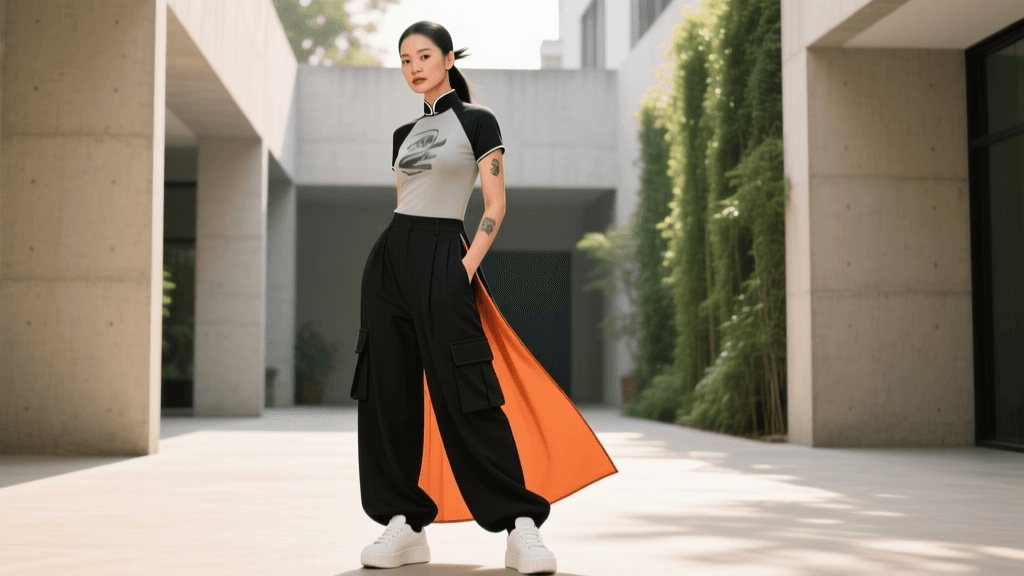
Mixing heritage garments with streetwear is a defining trend of the mid-2020s. The key to pulling off an Áo Dài Cách Tân in a streetwear context is to play with contrasting volumes and utilitarian elements.
The Layered Duster Approach
Instead of wearing the modernized tunic buttoned up, treat it as an open duster coat. Choose a mid-thigh length tunic in a washed raw linen or a lightweight cotton poplin. Leave the front panels completely open to reveal a base layer consisting of a high-quality, heavyweight ribbed tank top and relaxed-fit carpenter jeans. The juxtaposition of the delicate, heritage-inspired floral embroidery on the tunic against the rugged, utilitarian hardware of the carpenter pants creates a visually striking 2026 aesthetic.
Footwear Synergies
Avoid delicate sandals or traditional heels when styling the streetwear look. Instead, ground the outfit with substantial, technically advanced sneakers. The New Balance 990v6 or the Nike Air Max DN in neutral, monochromatic colorways provide the necessary visual weight to balance the flowing flaps of the tunic. Ensure the trousers worn underneath are either cropped just above the ankle or feature a slight taper to prevent the hem from swallowing the sneakers.
Outfit Formula 2: The Contemporary Office
For professionals looking to incorporate their cultural heritage into a corporate wardrobe, the Áo Dài Cách Tân offers a sophisticated alternative to the standard blazer-and-trouser suit. The goal here is sleekness, sharp tailoring, and a muted color palette.
The Tunic and Tailored Trouser Combo
Select an Áo Dài Cách Tân crafted from a matte Tencel lyocell blend or recycled crepe de chine in deep, saturated tones such as oxblood, forest green, or charcoal. The tunic should feature a modest V-neck and hit exactly at the mid-thigh. Pair this with high-waisted, wide-leg wool trousers that match or subtly contrast the tunic. The wide-leg silhouette mirrors the traditional flowing trousers of the classic Áo Dài but is grounded in modern menswear-inspired tailoring.
Structured Outerwear
When the weather requires an additional layer, drape an oversized, structured blazer over the shoulders. The sharp, padded shoulders of a 2026 power blazer contrast beautifully with the fluid drape of the tunic underneath. Keep the blazer unbuttoned to allow the front flaps of the Áo Dài to move freely as you walk, maintaining the garment's kinetic energy.
Precise Tailoring Metrics for 2026
Even modernized garments require precise tailoring to avoid looking sloppy. If you are having an Áo Dài Cách Tân custom-made or altering a ready-to-wear piece, adhere to these specific 2026 metrics for a contemporary fit:
- Shoulder Seam: Should sit exactly on the edge of the shoulder bone. Dropped shoulders work only for specific oversized linen designs, but for office-appropriate crepe or silk, a set-in sleeve with a precise shoulder seam is mandatory.
- Side Slit Placement: The traditional slit starts at the waist. For the modernized version, the side seam should hit exactly 2 to 3 inches below the hip bone. This provides ease of movement without compromising modesty when wearing shorter, knee-length flaps.
- Tapering: While the classic Áo Dài is tailored to the exact millimeter of the wearer's ribs and waist, the 2026 modernized tunic should feature a subtle A-line or straight drop from the underarm. Allow for 1.5 inches of ease around the waist to ensure the garment drapes rather than clings, making it far more forgiving for all-day wear.
Accessorizing the Modern Áo Dài
The accessories you choose will either anchor the Áo Dài Cách Tân in the past or propel it firmly into the present. In 2026, the prevailing philosophy is "minimalist hardware, maximalist structure."
"The beauty of the modernized Áo Dài lies in its ability to act as a canvas. You do not need heavy, traditional gold jewelry to make a statement. Let the architectural lines of the garment and the quality of the textile speak for themselves."
— Contemporary Asian Fashion Styling Review, 2026
Opt for structured, geometric leather tote bags or rigid top-handle bags rather than soft, slouchy hobos. A structured bag provides a visual anchor that balances the movement of the tunic's flaps. For jewelry, single, sculptural metal ear cuffs or a thick, matte-finish signet ring provide a modern edge that complements the mandarin collar without competing with it. Avoid long, dangling necklaces that can become tangled in the tunic's front panels or disrupt the clean lines of the neckline.
Conclusion: Embracing Cultural Fluidity
The integration of the Áo Dài Cách Tân into a modern, global wardrobe is a testament to the fluidity of cultural fashion. By understanding the architectural shifts in the garment's silhouette, selecting innovative 2026 textiles, and applying deliberate styling formulas, you can honor Vietnamese heritage while maintaining a fiercely contemporary personal style. Whether paired with utilitarian streetwear staples or sharp corporate tailoring, the modernized Áo Dài proves that traditional garments are not relics of the past, but vital, evolving components of the future of fashion.