Best Hanfu Styles For Tai Chi And Qigong Wellness In 2026
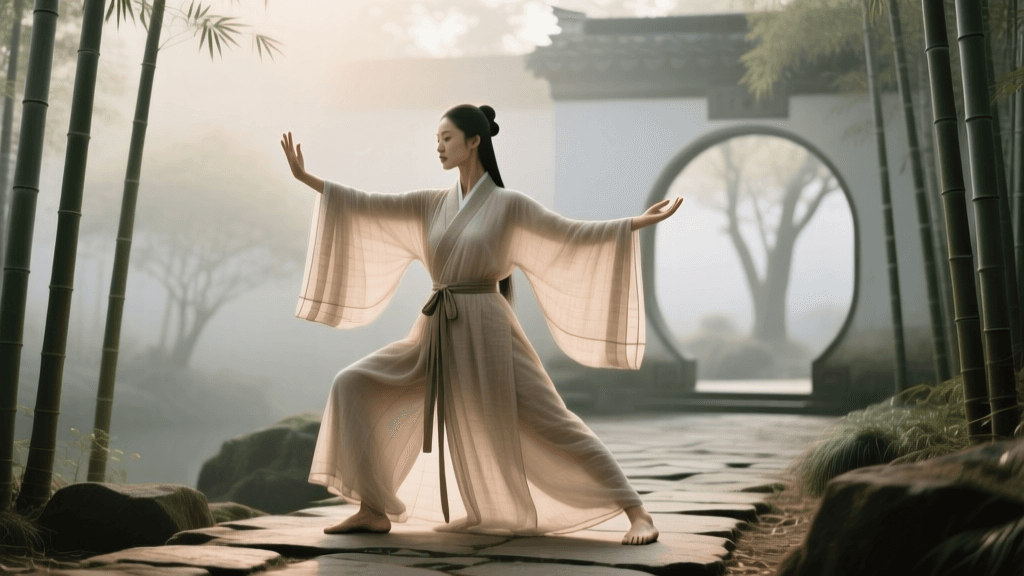
The Intersection of Hanfu and Mindful Movement in 2026
The year 2026 marks a pivotal moment in the intersection of traditional Chinese clothing and holistic wellness. As the Xin Zhongshi (new Chinese style) movement continues to evolve, practitioners of Tai Chi and Qigong are increasingly turning to authentic Hanfu to deepen their mind-body connection. Traditional Chinese medicine and martial arts have long dictated that clothing should not merely cover the body, but should facilitate the unobstructed flow of Qi (vital energy). In 2026, the wellness apparel sector has seen a massive surge in demand for movement-friendly Hanfu, blending ancient weaving techniques with modern ergonomic tailoring.
Unlike contemporary activewear, which often compresses the body, traditional Hanfu relies on structural draping and natural fibers to allow the skin to breathe and the meridians to remain open. Whether you are practicing the slow, deliberate forms of Yang-style Tai Chi in a misty park or engaging in standing meditation (Zhan Zhuang) in your living room, selecting the right garment is essential for your practice.
The Philosophy of Dress and Unrestricted Qi Flow
To understand why Hanfu is uniquely suited for Qigong and Tai Chi, one must look at the physiological demands of these practices. According to the National Center for Complementary and Integrative Health, Tai Chi and Qigong involve deep diaphragmatic breathing, gentle stretching, and continuous weight-shifting. Compression garments or tight waistbands can restrict the expansion of the lower abdomen, effectively stifling the breath and blocking the lower Dantian—the body's primary energy center located just below the navel.
Hanfu silhouettes are inherently designed to accommodate this. The traditional cross-collar (jiaoling) and wide sashes sit comfortably without digging into the torso, while the generous cuts of the sleeves and skirts allow for deep stances, such as the Horse Stance (Ma Bu), without pulling or tearing the fabric.
Optimal Fabrics for Mindful Movement in 2026
The textile market in 2026 has heavily prioritized sustainable, natural fibers that offer superior thermoregulation. When practicing Qigong, the body's internal temperature fluctuates, and the skin must remain dry to prevent 'wind-dampness' from entering the pores post-practice. Here are the top fabric choices for wellness practitioners this year:
1. Bamboo-Linen Blends
The undisputed champion of the 2026 wellness wardrobe is the bamboo-linen blend. Bamboo offers natural antibacterial properties and a silky, cooling touch, while linen provides structural integrity and exceptional moisture-wicking capabilities. This blend is lightweight, making it ideal for vigorous Tai Chi sword forms or summer Qigong sessions.
2. Xiangyunsha (Gambiered Canton Gauze)
For premium practitioners, Xiangyunsha remains the pinnacle of luxury wellness wear. Dyed with yam juice and sealed with river mud, this raw silk is rust-proof, water-resistant, and incredibly cooling. In 2026, specialized heritage workshops in Guangdong have released lighter-weight weaves specifically marketed for martial artists and meditators.
3. Raw Hemp (Da Ma)
Hemp is revered in Taoist traditions for its grounding properties. Modern enzymatic washing techniques introduced in the mid-2020s have eliminated the historical scratchiness of raw hemp, resulting in a fabric that is durable, heavy enough to provide a grounding sensory feedback during meditation, and highly breathable.
| Fabric Type | Breathability | Drape & Weight | Moisture Wicking | 2026 Avg Cost (USD) |
|---|---|---|---|---|
| Bamboo-Linen Blend | Excellent | Light, fluid drape | High | $65 - $120 |
| Xiangyunsha Silk | Superior | Crisp, cooling, structured | Very High | $250 - $500+ |
| Washed Raw Hemp | Very Good | Heavy, grounding drape | Moderate | $90 - $160 |
| Organic Cotton Voile | Good | Soft, lightweight | Low (retains moisture) | $45 - $80 |
Essential Hanfu Silhouettes for Unrestricted Movement
Not all Hanfu styles are created equal when it comes to physical exertion. While court-style garments with trailing hems are beautiful, they are impractical for wellness routines. In 2026, the following silhouettes dominate the Tai Chi and Qigong space:
The Daopao (Taoist Robe)
The Daopao is a cross-collared, wide-sleeved robe with side slits that extend up to the waist. This design is historically rooted in monastic and martial traditions. The side slits are crucial; they allow the legs to move freely into deep lunges and sweeps without the fabric bunching around the knees. The wide sleeves (guangxiu) create a beautiful visual representation of Qi flow as the arms move through the air, providing immediate visual feedback on the smoothness of your forms.
The Yisan (Guard Uniform Adaptation)
For practitioners who engage in more vigorous, martial-focused Tai Chi (such as Chen style with its explosive fajin movements), the Yisan is highly recommended. Featuring a pleated lower skirt attached to a fitted upper bodice, the Yisan allows for maximum leg mobility while maintaining a sharp, disciplined silhouette. Modern 2026 adaptations often feature hidden elasticated waistbands and reinforced pleats to withstand repetitive stomping and jumping.
Sleeve Modifications: Shouxiu vs. Guangxiu
While wide sleeves are aesthetically pleasing, they can be hazardous during weapon forms (like the Tai Chi fan or straight sword). Many 2026 wellness Hanfu brands now offer hybrid cuffs. These sleeves appear wide and flowing but feature a hidden internal tie or a subtle snap-button near the wrist, allowing the practitioner to secure the excess fabric instantly when transitioning from empty-hand Qigong to weapon training.
Footwear and Grounding: The Role of Yunxie
A critical, often overlooked aspect of Tai Chi and Qigong is proprioception—the body's ability to sense its location and movements in space. Harvard Health Publishing notes in their comprehensive guide on the health benefits of Tai Chi that the practice significantly improves balance and reduces fall risks, largely due to the emphasis on weight transfer and foot placement.
To maximize this benefit, practitioners in 2026 are abandoning thick-soled modern sneakers in favor of traditional Yunxie (cloud shoes) or minimalist cloth boots. Yunxie feature incredibly thin, flexible cotton or rubber soles that allow the practitioner to 'grip' the earth with their toes and feel the subtle shifts in their center of gravity. The upturned toes of traditional cloud shoes also naturally encourage the proper lifting of the foot during the 'cat walk' stepping method essential to Tai Chi.
Sizing and Fit: Allowing for the Dantian
When ordering Hanfu for wellness practices, standard sizing charts must be adjusted. The most vital measurement is not the chest or shoulders, but the abdominal circumference at the level of the navel. Because Qigong relies heavily on deep, reverse-abdominal breathing, your midsection will expand significantly during practice.
- Waist Placement: Ensure the sash or waistband sits either comfortably below the hips or high above the ribcage. Never bind the belt directly across the navel.
- Shoulder Drop: Hanfu relies on a dropped shoulder seam. Ensure the seam falls at least two inches past your natural shoulder joint to allow for overhead arm raises without the collar choking your neck.
- Hem Length: For standing Qigong, the front hem should graze the top of the instep. For active Tai Chi, opt for a hem that rests just above the ankle bone to prevent tripping during low stances.
Seasonal Adjustments for Year-Round Practice
Traditional Chinese wellness is deeply tied to the changing of the seasons, and your Hanfu wardrobe should reflect this. In the spring and summer, lightweight bamboo-linen Zhiju (straight-hem robes) in pale, reflective colors like celadon or ivory help dissipate heat. As autumn approaches, layering becomes essential. Practitioners add a Zhongyi (inner garment) made of soft, unbleached cotton to absorb sweat and protect the outer silk layers. In the winter of 2026, wool-blend Hanfu coats with quilted linings are worn during outdoor morning practice to protect the joints and lower back from cold-damp invasion, a primary concern in traditional Chinese medicine.
Accessorizing for Balance, Not Distraction
When practicing mindful movement, accessories should ground you, not distract you. Avoid dangling hairpins or heavy jade pendants that swing and click during forms. Instead, secure the hair with a simple, smooth wooden Zan (hair stick) or a minimalist jade ring. The goal is to maintain a state of Wuji (empty, tranquil awareness), where the clothing feels like a natural extension of the skin rather than an external burden.
Conclusion: Embracing the 2026 Wellness Wardrobe
The integration of Hanfu into Tai Chi and Qigong is more than a mere aesthetic choice; it is a profound return to the holistic roots of Asian wellness traditions. By selecting breathable, naturally dyed fabrics like bamboo-linen and Xiangyunsha, and embracing movement-oriented silhouettes like the Daopao, practitioners in 2026 are finding deeper, more resonant connections to their internal energy. As you step onto the mat or into the park, let your garment be a vessel for your breath, your movement, and your enduring vitality.