Top Kimono Museums and Textile Heritage Sites in Japan
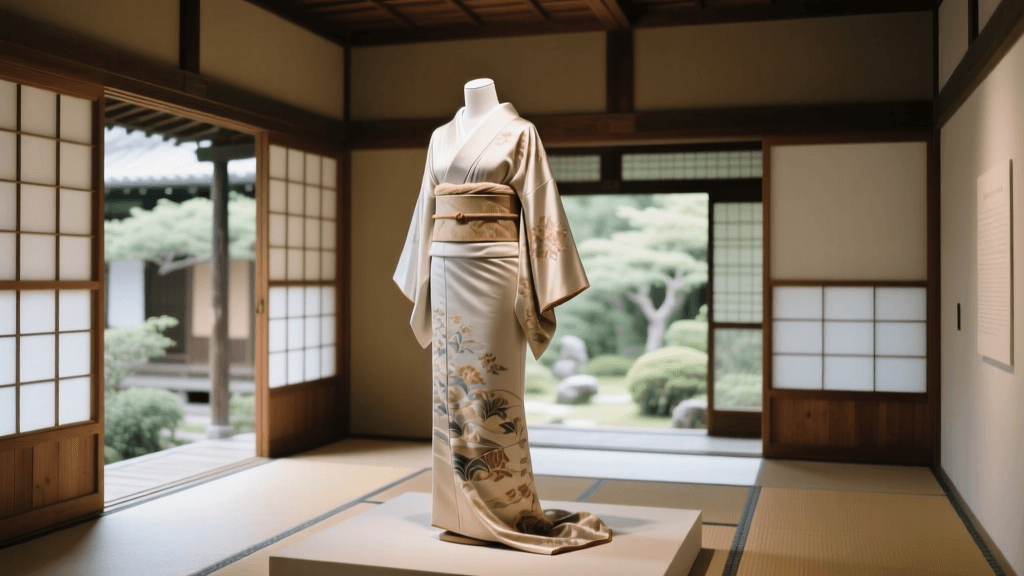
The Intersection of Art and Apparel: Why Visit Kimono Museums?
To truly understand the Japanese kimono, one must look beyond its silhouette and examine the extraordinary craftsmanship, historical context, and cultural philosophy woven into its very fibers. For textile enthusiasts, historians, and fashion scholars, Japan offers a profound network of museums and heritage sites dedicated to the preservation of traditional garments. Unlike Western fashion museums that often focus on the evolution of tailoring and the human form, Japanese textile institutions emphasize the two-dimensional canvas of the fabric, the mastery of dyeing techniques, and the seasonal poetry expressed through surface design.
Silk is an inherently fragile organic material. The preservation of antique kosode (the precursor to the modern kimono) requires meticulous climate control, restricted light exposure, and specialized mounting techniques. Consequently, Japan's premier museums operate on a system of rotating exhibitions, ensuring that centuries-old garments are protected from environmental degradation while still allowing the public to witness their brilliance. Planning a textile-focused itinerary in Japan requires an understanding of these institutional rhythms, as well as a deep appreciation for the regional variations in weaving and dyeing.
Tracing the Thread: Essential Kimono Heritage Sites
Japan's textile heritage is not confined to a single city; it is spread across regional hubs, each famous for specific artisanal techniques. Below is a curated guide to the most significant institutions for kimono and textile preservation in Japan.
1. Tokyo National Museum (Honkan & Gallery of Horyuji Treasures)
Located in Ueno Park, the Tokyo National Museum houses one of the most comprehensive collections of Japanese art and antiquities in the world. For kimono scholars, the second floor of the Honkan (Japanese Gallery) is a pilgrimage site. Here, the museum rotates its collection of Edo-period kosode, Noh theater costumes, and Buddhist ecclesiastical vestments. The museum excels in displaying the transition from the opulent, gold-leaf-laden tsujigahana textiles of the Momoyama period to the sophisticated, understated elegance of Edo merchant-class iki aesthetics. The lighting in these galleries is kept intentionally dim to protect the delicate silk threads and natural dyes from UV degradation.
2. Kyoto National Museum
Kyoto, the historical heart of Japanese textile production, is home to the Kyoto National Museum. This institution is particularly vital for understanding the aristocratic garments of the Heian and Kamakura periods. Visitors can often view fragments of junihitoe (the twelve-layered ceremonial court dress) and intricately woven Nishijin-ori brocades. The museum's special autumn exhibitions frequently focus on the intersection of calligraphy, poetry, and textile design, highlighting how classical literature was visually translated onto the canvases of kimono and obi.
3. Kaga Yuzen Kimono Center (Kanazawa)
While Tokyo and Kyoto focus on historical antiquities, Kanazawa offers a living, breathing look at regional textile artistry. The Kaga Yuzen Kimono Center is dedicated to the Kaga Yuzen dyeing technique, characterized by its realistic, nature-inspired motifs and the distinctive ito-me (white lines left undyed to outline patterns). Unlike traditional quiet museums, this center often features live demonstrations by master dyers, allowing visitors to witness the painstaking process of applying rice-paste resist (itome-nori) and hand-painting gradients (bokashi) onto pristine white silk.
4. Bunka Gakuen Costume Museum (Tokyo)
Attached to one of Japan's most prestigious fashion universities, the Bunka Gakuen Costume Museum approaches the kimono from an academic and global perspective. Their archives include not only exquisite examples of Japanese formal wear but also comparative studies of Asian tribal textiles and the profound impact the kimono's flat-pattern construction had on early 20th-century Western designers like Madeleine Vionnet and Paul Poiret.
Comparative Guide: Planning Your Textile Itinerary
When organizing a heritage tour, it is crucial to align your travel dates with the museums' exhibition schedules and regional climate considerations. Below is a structured comparison to aid in your planning.
| Institution | Location | Primary Focus | Approx. Admission | Photography Policy |
|---|---|---|---|---|
| Tokyo National Museum | Tokyo (Ueno) | Edo-period Kosode, Noh Costumes | ¥1,000 | No flash; tripods banned |
| Kyoto National Museum | Kyoto (Higashiyama) | Aristocratic Court Dress, Brocades | ¥700 | Varies by exhibit; generally restricted |
| Kaga Yuzen Center | Kanazawa (Ishikawa) | Regional Dyeing, Live Artisan Demos | ¥360 | Permitted in demo areas |
| Bunka Gakuen Museum | Tokyo (Shinjuku) | Academic Archives, Global Influence | ¥500 | Strictly prohibited in archives |
Essential Textile Terminology for the Museum-Goer
To fully appreciate the curatorial notes and audio guides provided at these heritage sites, familiarize yourself with these foundational Japanese textile terms:
- Kosode: The historical precursor to the modern kimono, characterized by small sleeve openings. Originating as an undergarment in the Heian period, it became the primary outer garment by the Muromachi period.
- Yuzen: A resist-dyeing technique invented in the late 17th century by Miyazaki Yuzensai, allowing for highly detailed, pictorial, and multi-colored designs on silk.
- Nishijin-ori: A prestigious, multi-layered brocade weaving technique originating in Kyoto's Nishijin district, heavily utilized for formal obi and aristocratic garments.
- Shibori: A manual resist-dyeing technique involving folding, twisting, or binding cloth to create intricate, textured patterns, most famously associated with indigo dyeing.
- Katabira: A lightweight, unlined summer garment woven from ramie or hemp, often featuring subtle, cool-toned motifs designed to evoke a sense of visual coolness during Japan's humid summers.
Actionable Advice for the Textile Tourist
Timing and Seasonality
Japanese museums heavily curate their exhibitions around the micro-seasons. If you wish to view summer garments (natsu-mono) made of sheer ro-weave silk (ro and sha), plan your visit between June and August. Conversely, heavily padded winter garments and opulent velvet or brocade haori jackets are typically exhibited from November to February. Always check the institution's official website for the current tenrankai (special exhibition) schedule before booking international flights.
Preservation Etiquette
The preservation of antique silk is a constant battle against light and humidity. Never use flash photography, as the intense burst of light accelerates the photodegradation of natural dyes. Furthermore, maintain a respectful distance from the glass cases; the ambient temperature and humidity inside these vitrines are strictly calibrated to prevent the silk proteins from becoming brittle or fostering mold growth.
Beyond the Glass: Hands-On Workshops
To complement your museum visits, book a hands-on workshop. In Kanazawa, you can participate in a Kaga Yuzen hand-painting session on a silk furoshiki or handkerchief. In Kyoto's Nishijin district, traditional weaving houses offer introductory classes on operating miniature Jacquard looms, providing a tactile understanding of the tension and mathematics required to weave a single inch of brocade.
The Future of Kimono Heritage
The survival of these garments and the techniques required to create them is a matter of national importance. The Japanese government, through its Agency for Cultural Affairs, designates master artisans as Living National Treasures, ensuring the transmission of skills like tsumugi (pongee) weaving and bingata dyeing to the next generation. Furthermore, international recognition plays a role in preservation; the broader context of traditional craftsmanship is frequently documented and supported by global heritage initiatives, as tracked by organizations like UNESCO's Intangible Cultural Heritage programs.
'The beauty of the kimono lies not merely in its visual splendor, but in the invisible hours of the artisan's life woven into its threads.' — Traditional Japanese Artisan Proverb
Visiting Japan's kimono museums is an exercise in mindfulness. It invites the observer to slow down, to trace the delicate lines of a hand-painted crane, and to appreciate a sartorial tradition where the fabric itself is the ultimate masterpiece. Whether you are marveling at a 400-year-old Noh costume in Tokyo or watching a master dyer wash vibrant pigments from silk in a Kanazawa river, these heritage sites offer an unparalleled window into the soul of Japanese aesthetics.