Navigating the Hanfu Revival: A Beginner's Guide to Authentic Styles
The Hanfu Revival: More Than Just a Fashion Trend
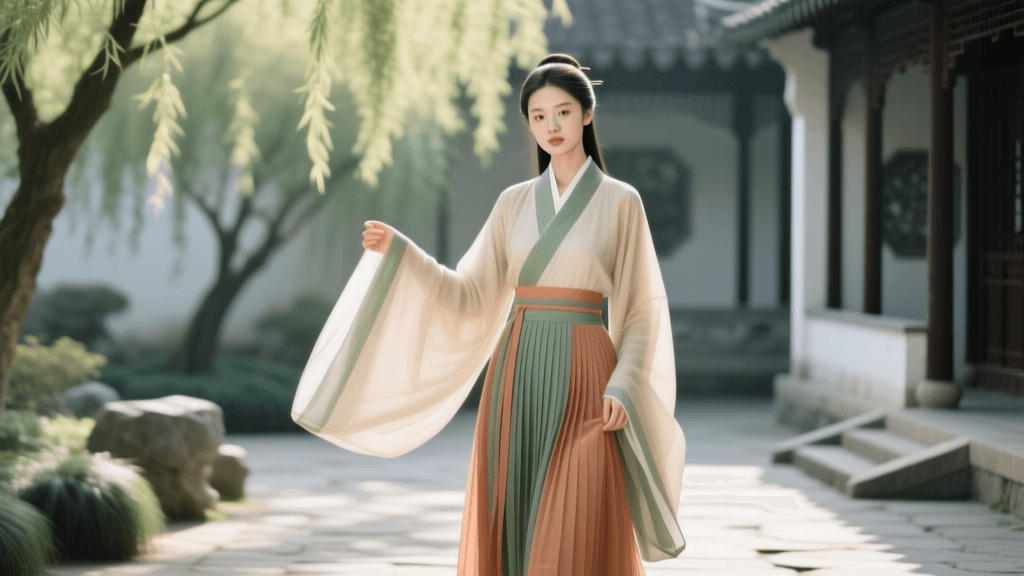
The Hanfu movement, or Hanfu Yundong, is a cultural phenomenon that has transformed from a niche internet hobby in the early 2000s into a multi-billion-dollar industry. Sparked by early pioneers who wore traditional Han Chinese clothing in public spaces to reclaim a lost cultural identity, the movement is deeply rooted in historical research, craftsmanship, and a desire for cultural continuity. As noted by Sixth Tone, young Chinese are bringing ancient fashion back to life not merely as cosplay, but as a profound expression of heritage and modern identity. Today, walking through cities like Chengdu, Hangzhou, or Xi'an, it is common to see young people wearing flowing silk robes, pleated skirts, and intricate hairpieces as everyday streetwear. According to CNN Style, the revival is heavily driven by social media platforms like Douyin and Xiaohongshu, where enthusiasts share styling tips, historical research, and brand reviews. For the beginner, navigating the vast sea of historical periods, fabric choices, and strict community standards can be overwhelming. This guide provides actionable, practical advice to help you confidently step into the world of authentic Hanfu.
Choosing Your Era: Tang vs. Song vs. Ming
The term 'Hanfu' encompasses over 3,000 years of clothing history, but the modern revival movement primarily focuses on three distinct dynastic periods: Tang, Song, and Ming. Each era offers a vastly different silhouette, fabric requirement, and price point. Understanding these differences is crucial for your first purchase.
| Dynasty | Key Silhouette & Garments | Fabric Weight & Drape | Estimated Cost (USD) | Best Season & Occasion |
|---|---|---|---|---|
| Tang (618-907) | High-waisted Qixiong Ruqun (chest-high skirt), wide sleeves, bare shoulders or sheer shawls. | Lightweight, sheer silks, chiffon, bright colors and bold patterns. | $60 - $150 | Summer, festivals, photography. |
| Song (960-1279) | Slender, elegant lines. Beizi (long open-front coat) worn over Baidaqun (pleated skirt) or trousers. | Medium-weight, matte fabrics, subdued and pastel colors, subtle embroidery. | $50 - $120 | Spring/Autumn, daily wear, office-friendly. |
| Ming (1368-1644) | Structured and modest. Mamianqun (horse-face skirt), Ao (lined jacket) with standing collars and metal clasps. | Heavy brocades, wool blends, thick silks, rich jewel tones, intricate woven patterns. | $100 - $300+ | Winter, formal events, weddings. |
For absolute beginners, the Ming Dynasty Mamianqun (horse-face skirt) is widely considered the most accessible entry point. Its structured, wrap-around pleated design is forgiving on various body types, and the modern revival community frequently pairs it with contemporary knitwear or button-down shirts for a seamless fusion look. The BBC has highlighted how the Mamianqun, in particular, has crossed over into mainstream global fashion, with major international luxury houses drawing inspiration from its pleated structure.
The Golden Rule: Jiaoling Youren
Before purchasing or wearing any traditional top, you must understand the most critical rule of Hanfu: Jiaoling Youren (交领右衽). This translates to 'crossed collar, right side over left.' When you wrap the front of your robe or jacket, the left side of the garment must cross over your chest and tie on your right side. Historically, wrapping it the opposite way (left over right) was reserved exclusively for the deceased or certain nomadic tribes. Getting this wrong will immediately draw corrections from the community. Always double-check your mirror reflection before stepping out.
How to Measure Yourself for Hanfu
Unlike Western fashion, which relies on standard S/M/L sizing based on bust and hip measurements, Hanfu sizing is heavily dependent on shoulder width, arm length, and overall height to ensure the sleeves and hemlines fall correctly. Use a soft measuring tape and record your metrics in centimeters (cm):
- Shoulder Width: Measure from the edge of one shoulder bone to the other across the back. This dictates how the seam of a drop-shoulder Ao or Ru will sit.
- Chest/Bust: Measure around the fullest part. Since cross-collars are adjustable, you generally need to add 10-15 cm to your actual bust measurement to ensure the garment wraps comfortably without gaping.
- Arm Length: Measure from the base of your neck (nape) down over your shoulder to your wrist or knuckles. Ming dynasty jackets often require sleeves that extend past the knuckles, while Tang dynasty wide sleeves require precise length calculations to avoid dragging on the floor.
- Skirt Length: Measure from your natural waist (or under-bust for Tang styles) down to your ankle bone. Subtract 3-5 cm to ensure the hem clears the ground when wearing flat shoes.
Sourcing and Budgeting: Where to Buy
The epicenter of the Hanfu trade is Taobao, China's largest e-commerce platform. While international buyers can use shopping agents like Superbuy or Wegobuy to purchase from Taobao, several brands have established international shipping or official English-facing storefronts. Here is a breakdown of reputable brands categorized by budget and historical accuracy:
1. Entry-Level & Budget ($40 - $80)
Brands like Zhongling (钟灵记) and Lanyingfang offer highly affordable, mass-produced sets. While they may use polyester blends instead of pure silk, they are excellent for testing silhouettes and attending casual outdoor festivals where delicate fabrics might be ruined.
2. Mid-Range & Trend-Focused ($80 - $180)
Shisan Yu (十三余) is arguably the most famous brand in the movement, known for collaborating with popular TV dramas, video games, and museums. Their designs are heavily romanticized and occasionally prioritize modern aesthetics over strict historical accuracy, making them perfect for photography and cosplay-adjacent events.
3. High-End & Historically Strict ($200 - $600+)
Ming Huatang (明华堂) is the gold standard for Ming dynasty reproduction. They weave their own brocades using traditional looms and base their patterns on extant museum artifacts. Purchasing a Ming Huatang Mamianqun is considered an investment piece within the community. Lead times for these bespoke items can range from 3 to 8 months.
Fabric Care and Maintenance
Proper care is essential, as traditional garments often feature delicate embroidery and natural fibers. Always check the care label, but follow these general rules:
- Washing: Never machine wash silk or brocade. Hand wash in cold water using a pH-neutral silk detergent. For heavily structured Ming collars, spot clean only to prevent the interfacing from warping.
- Drying: Never wring out Hanfu. Roll the garment in a clean, dry towel to absorb excess moisture, then lay it flat on a drying rack away from direct sunlight to prevent color fading.
- Ironing: Use a steam iron on the lowest 'silk' setting. Always place a cotton pressing cloth between the iron and the garment, especially when ironing metallic threads or raised embroidery, to avoid melting or scorching.
- Storage: Do not hang heavy Mamianqun skirts on standard hangers, as the weight of the pleats will stretch the waistband. Fold them along the pleat lines and store them flat in a breathable cotton garment bag with silica gel packets to prevent humidity damage.
Styling: Hair, Makeup, and Footwear
To complete your look without spending a fortune on solid jade or gold accessories, the modern revival community relies on high-quality alloy and resin replicas. Look for Buyao (步摇 - dangling hairpins that sway when you walk) and Zan (簪 - single-pronged hair sticks). For beginners, claw clips adorned with enamel flowers offer a secure, modern way to hold thick hair in a traditional updo without requiring the skills of a professional hairdresser.
Footwear is equally important. While many wearers opt for modern leather boots or loafers for daily commuting, traditional Yun Tou Xie (cloud-head shoes) are the most authentic choice. These are flat, embroidered cloth shoes with an upturned toe. They are incredibly comfortable for walking and typically cost between $20 and $40 online.
Navigating the Community and Festivals
The Hanfu community is passionate and highly educated regarding historical textiles. While early internet forums were notorious for the 'Hanfu Police'—enthusiasts who would harshly critique minor historical inaccuracies—the modern movement has largely embraced a more welcoming, educational approach. When attending major gatherings like the Xitang Hanfu Culture Week in Zhejiang or the Hua Zhao Festival (Flower Festival) in spring, focus on respectful representation. Engage with local Hanfu societies, attend lectures on textile weaving, and participate in traditional tea ceremonies or archery events. By approaching the Hanfu revival with a mindset of continuous learning and deep respect for the artisans who keep these ancient tailoring techniques alive, you will find a vibrant, supportive community eager to share the beauty of Asian traditions with the world.