Japanese Matsuri Costumes: Happi Coats & Bon Odori Yukata
The Heartbeat of Japanese Festivals: Matsuri Attire
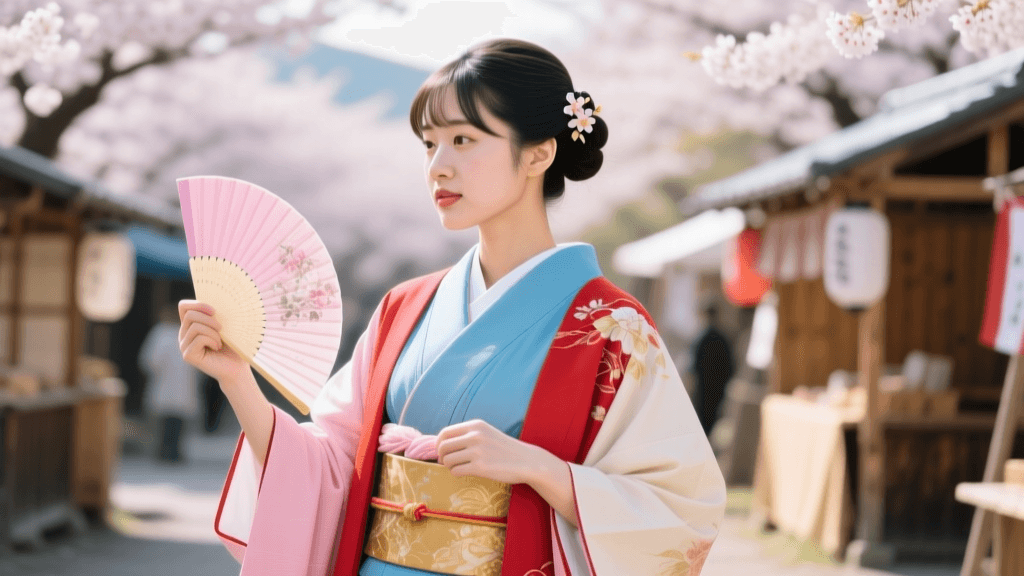
Japanese matsuri (festivals) are vibrant expressions of community, spirituality, and seasonal celebration. At the core of these events are the performers, shrine-bearers, and dancers whose synchronized movements and spirited chants bring the streets to life. However, the visual impact of a matsuri is just as crucial as its auditory energy, and this is where traditional Japanese festival costumes play an indispensable role. According to the Japan National Tourism Organization (JNTO), the visual uniformity and historical continuity of festival attire are what transform a simple gathering into a profound cultural spectacle.
For festival organizers, dance troupe directors, and cultural enthusiasts looking to participate in or recreate these events, understanding the nuances of matsuri garments is essential. The two most prominent garments in this context are the happi coat, typically worn for street parades and shrine-carrying, and the yukata, which is the standard attire for Bon Odori (summer ancestral dances). This guide provides actionable, practical advice on selecting, sizing, and sourcing these performance costumes, ensuring both historical authenticity and functional comfort during rigorous physical activity.
The Happi Coat: Structure, Sizing, and Performance Use
The happi is a short, loose-fitting coat characterized by wide sleeves and an open front. Historically worn by firemen, merchants, and samurai retainers, the happi has evolved into the quintessential uniform for matsuri troupes, particularly those tasked with carrying the mikoshi (portable shrines). The garment is designed to allow maximum upper-body mobility while displaying the crest or kanji of the wearer's guild, neighborhood, or troupe on the back panel.
When outfitting a performance group, fabric choice is critical. Traditional happi are made from heavy-weight cotton (often around 8 to 10 ounces per square yard), which absorbs sweat and withstands the friction of wooden shrine poles. However, for modern dance troupes performing high-energy routines in peak summer heat, lightweight cotton-polyester blends or synthetic sashiko-weave fabrics are highly recommended. These materials dry faster and resist wrinkling during complex choreography.
Sizing a happi is distinctly different from Western clothing. Rather than relying on standard Small, Medium, or Large designations, happi are sized by their back length (from the nape of the neck to the hem) and chest width. A proper fit ensures the coat does not ride up during overhead lifting or restrict arm movement during rhythmic clapping.
Happi Coat Sizing & Fit Guide for Performers
| Size Category | Back Length | Chest Width (Flat) | Ideal Performer Profile |
|---|---|---|---|
| Short / Youth | 28 inches (71 cm) | 24 inches (61 cm) | Children, or adults wearing over standard street clothes for casual parades. |
| Standard Adult | 32 inches (81 cm) | 27 inches (69 cm) | Average adult heights (5'4" to 5'8"). Ideal for mikoshi bearers; hem hits mid-thigh. |
| Tall / Extended | 35 inches (89 cm) | 30 inches (76 cm) | Taller performers (5'9"+). Provides extra coverage during deep squatting and lifting. |
| Oversized / Dance | 38 inches (96 cm) | 34 inches (86 cm) | Stage performers requiring dramatic sleeve drops and flowing silhouettes for choreography. |
Actionable Tip: When measuring for a troupe, measure from the prominent cervical vertebra (the bone at the base of the neck) down to the desired hemline. For mikoshi bearers, the hem should never drop below the fingertips when arms are resting at the sides, preventing the fabric from catching on the shrine's wooden beams.
Bon Odori Yukata: Dressing for the Summer Dances
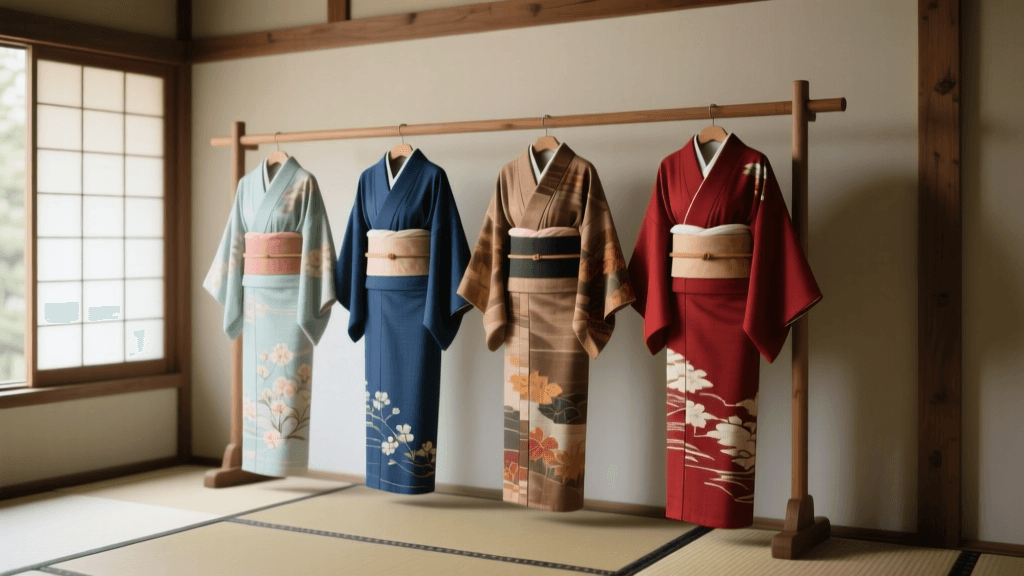
While the happi dominates street parades, the Bon Odori festival relies on the elegant, fluid movements of dancers clad in yukata. As noted by Japan Experience, the yukata is a lightweight, unlined cotton kimono that originated as a bathrobe but evolved into the standard summer festival garment. For performers, however, a standard off-the-rack yukata requires specific modifications to withstand the spinning, jumping, and synchronized stepping inherent to Bon Odori.
The primary challenge for a performing dancer is maintaining the integrity of the ohashori—the horizontal fold of excess fabric tucked at the waist to adjust the garment's length. During vigorous dancing, a standard silk or slippery cotton ohashori will inevitably unravel, causing the hem to drag on the ground and creating a severe tripping hazard.
Performance Dressing Protocol:
- The Foundation: Dancers must wear a susoyoke (half-slip) and a hadajuban (undershirt) made of moisture-wicking mesh or tight cotton to prevent the yukata from clinging to sweaty skin.
- Securing the Fold: Instead of relying solely on the koshi-himo (tying cords), professional festival dancers use safety pins or specialized hidden clips to pin the ohashori to the undershirt. This ensures the hem remains exactly 2 inches above the ankle bone, regardless of movement.
- The Obi: For stage and street performances, the hanhaba obi (half-width sash) is preferred over the formal, stiff maru obi. Dancers should tie a bunko (bow) or kobukuro knot. To prevent the obi from loosening during spins, an obi-ita (sash stiffener) should be inserted in the front, and a decorative obi-jime (cord) tied tightly over the sash to lock it in place.
According to The Metropolitan Museum of Art, the evolution of Japanese T-shaped garments has always balanced aesthetic draping with functional mobility. For Bon Odori, the sleeve length (typically 19 to 20 inches) is specifically designed to catch the evening breeze and accentuate the dancer's arm extensions, creating a mesmerizing visual wave across the dance circle.
Essential Accessories: Tabi, Jikatabi, and Hachimaki
No matsuri costume is complete without its accompanying accessories, which serve both practical and aesthetic purposes. Footwear, in particular, can make or break a performer's endurance.
Tabi and Jikatabi: Tabi are traditional split-toe socks, while jikatabi are split-toe shoes with rubber soles. For Bon Odori dancers performing on smooth wooden stages or paved plazas, white cotton tabi paired with zori (straw or vinyl sandals) are standard. However, for mikoshi bearers navigating uneven terrain, gravel paths, or steep shrine stairs, jikatabi are mandatory. When purchasing tabi, sizing is done in exact centimeters (e.g., 24.5 cm, 26.0 cm). Performers should opt for tabi with 4 or 5 kohaze (metal fasteners) rather than stretch-slip-on varieties, as the metal hooks provide the necessary ankle support and prevent the fabric from bagging around the heel during long hours of wear.
Hachimaki: The hachimaki is a cotton headband, typically measuring 35 cm by 100 cm, worn to absorb sweat and symbolize perseverance. For festival troupes, the hachimaki is often dyed with the group's colors. The tying method matters: the standard musubi (knot) should be tied at the back of the head for mikoshi bearers to prevent the knot from pressing against the shrine pole, while front or side knots are common for drummers and dancers to add dramatic flair to their profiles.
Sourcing and Budgeting for Festival Troupes
Outfitting a matsuri troupe requires careful financial planning and an understanding of manufacturing lead times. Whether you are managing a local Japanese cultural society in the West or sourcing for a corporate team-building event, balancing authenticity with budget is key.
Cost Breakdown and Sourcing Timeline (Per Person)
- Off-the-Rack Happi (Synthetic/Standard Cotton): $25 - $45 USD. Available immediately from online Japanese importers. Best for one-off events or large, casual groups.
- Custom-Dyed Happi (Heavy Cotton, Troupe Crest): $80 - $150 USD. Requires a minimum order quantity (usually 10+ pieces) and a lead time of 8 to 12 weeks for traditional chusen or modern reactive dyeing processes in Japan or specialized overseas factories.
- Performance Yukata (Cotton, Pre-washed): $50 - $120 USD. Pre-washing is highly recommended to prevent shrinkage that could alter the carefully measured hemlines after the first laundry cycle.
- Accessories (Tabi, Hachimaki, Koshi-himo): $20 - $35 USD per person. Buy these in bulk from wholesale festival suppliers in Kyoto or Tokyo to reduce per-unit shipping costs.
Pro-Tip for Troupe Managers: Always order 10% more happi coats and hachimaki than your exact roster size. Festival environments are chaotic; garments get stained with food, sweat, and shrine wax, and having immediate, clean replacements on hand ensures the visual uniformity of your troupe remains uncompromised throughout multi-day festivals.
Conclusion
The garments worn during Japanese matsuri are far more than mere costumes; they are functional tools designed to unify a group, honor ancestral traditions, and withstand the physical demands of festival performance. By understanding the precise measurements of a happi coat, the structural requirements of a performance-ready yukata, and the vital importance of proper footwear, organizers and performers can ensure their tribute to Asian traditions is both visually spectacular and deeply respectful of the culture's practical ingenuity.