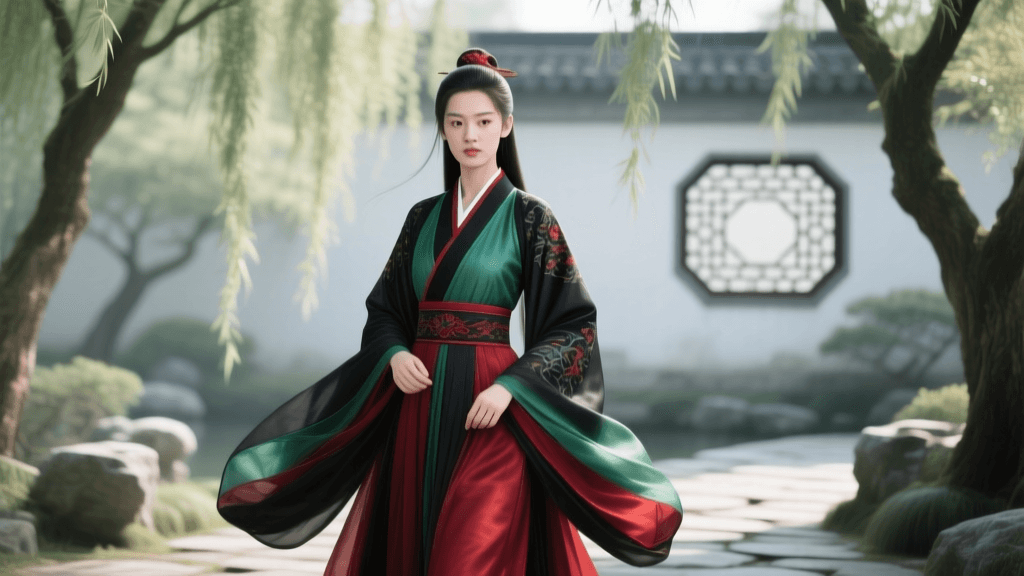
Hanfu for Weddings, Graduations and Festivals: Style Guide
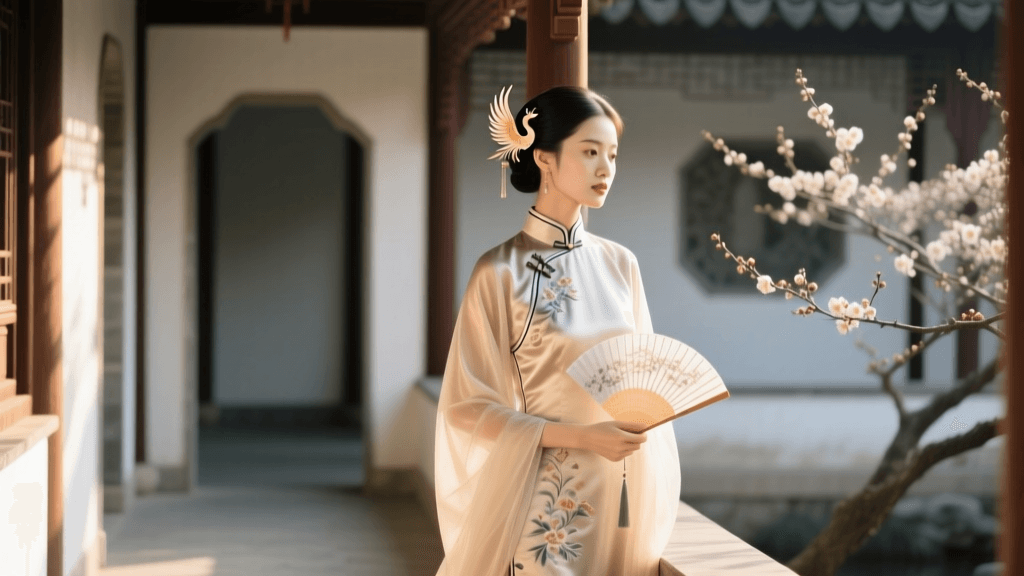
The Hanfu Revival: Dressing for Life Milestones
Over the past decade, the Hanfu movement has transitioned from a niche historical hobby into a mainstream cultural phenomenon across China and the global diaspora. Young people are increasingly rejecting Western formalwear in favor of traditional Han Chinese clothing to mark their most significant life milestones. According to cultural analyses by Sixth Tone, the Hanfu revival is deeply intertwined with a renewed sense of cultural confidence and a desire for aesthetic individuality. Whether you are walking down the aisle, crossing the graduation stage, or celebrating the Lunar New Year, selecting the appropriate Hanfu requires an understanding of historical silhouettes, textile symbolism, and modern practicalities.
This comprehensive guide breaks down how to choose, style, and wear Hanfu for three major categories of special occasions: weddings, academic graduations, and traditional festivals. We will explore specific dynasty styles, provide budget estimates, and share essential etiquette rules to ensure your traditional garments are worn with both beauty and historical respect.
Hanfu for Weddings: Ming Dynasty Elegance
When it comes to traditional Chinese weddings, the Ming Dynasty (1368–1644) aesthetic is widely considered the gold standard. Ming-era wedding attire is characterized by its structured silhouettes, rich colors, and elaborate embroidery, conveying a sense of solemnity and aristocratic grace.
The Bride: Fengguan Xiapei and Disha
The quintessential bridal ensemble is the Fengguan Xiapei (Phoenix Crown and Cloud Scarf). The phoenix crown is an intricate headdress adorned with kingfisher feathers, pearls, and gold filigree. The Xiapei is a heavy, embroidered stole draped over the shoulders, often featuring dragon and phoenix motifs that symbolize marital harmony. Beneath this, brides typically wear a Disha (a formal, ground-length variant of the horse-face skirt) paired with a long-sleeved Yuanlingpao (round-collar robe) or a Pao with wide, sweeping sleeves. While vermilion red is the most popular color for joy and luck, historical Ming brides also wore deep sapphire blue, emerald green, and gold-woven brocades.
The Groom: Yuanlingpao and Wusha
Grooms traditionally wear a dark, structured Yuanlingpao (round-collar robe) featuring rank badge embroidery, paired with a black Wusha (winged official hat) or a red scholar's cap. The groom's attire is designed to project stability, scholarly achievement, and familial honor.
Budget and Lead Time
Authentic Ming-style wedding Hanfu is an investment. A high-quality, custom-tailored bridal set utilizing Zhijin (gold-leaf weaving) and genuine silk can cost anywhere from $800 to over $3,000 USD. Because of the intricate hand-embroidery and specialized weaving required, couples must order their garments at least three to five months before the wedding date.
Graduation Ceremonies: Academic Meets Traditional
As universities seek to localize academic traditions, many graduates are swapping Western mortarboards for traditional Hanfu. The key to graduation Hanfu is balancing scholarly refinement with the practical need for mobility during long ceremonies and extensive photo sessions.
Song Dynasty Refinement
The Song Dynasty (960–1279) is renowned for its minimalist, intellectual aesthetic, making it perfect for graduations. Women often choose a Beizi (a long, open-front jacket) worn over a Baizhequn (hundred-pleat skirt) or a Songku (wide-leg trousers). The color palette leans toward muted, elegant tones like celadon, ivory, and pale lotus pink. This silhouette is lightweight, breathable, and exudes a quiet, academic dignity.
Tang Dynasty Scholar Robes
For male graduates or those preferring a more structured look, the Tang Dynasty (618–907) Lanpao (scholar's robe) with a Putou (traditional black scholar cap) is an excellent choice. The Lanpao features a crossed collar and side slits for ease of movement, historically worn by students and civil service candidates. Pairing this with a leather belt and traditional black boots creates a striking, historically grounded graduation look.
Festivals: Lunar New Year and Mid-Autumn
Festivals demand a blend of festive vibrancy, seasonal appropriateness, and practical mobility for temple fairs, family dinners, and travel. As noted by China Daily, the Spring Festival has seen a massive surge in Hanfu tourism, with millions donning traditional wear to visit historical sites.
Lunar New Year: The Mamianqun
The undisputed star of the Lunar New Year is the Mamianqun (horse-face skirt). Characterized by its flat front and back panels with heavily pleated sides, the Mamianqun allows for incredible freedom of movement while showcasing wide bands of woven brocade. For winter festivals, it is paired with an Ao (a lined or padded traditional jacket) featuring a standing collar and metal toggle buttons. Auspicious motifs like peonies, koi fish, and plum blossoms are woven directly into the fabric.
Mid-Autumn Festival: Tang Dynasty Ethereal
For the autumn moon-viewing festivities, the Tang Dynasty Qixiong Ruqun (chest-high skirt) is highly popular. Tied securely above the bust, this silhouette features a flowing, floor-length skirt and a wide, draped shawl known as a Pibo. The lightweight silk and chiffon fabrics catch the evening breeze, creating an ethereal, moonlit silhouette reminiscent of classical Chinese poetry.
Comparison Chart: Hanfu Styles by Occasion
Use the following table to quickly identify the best Hanfu styles, fabrics, and budgets for your upcoming event.
| Occasion | Recommended Dynasty | Key Garments | Fabric Recommendations | Est. Budget (USD) |
|---|---|---|---|---|
| Wedding (Bride) | Ming | Fengguan, Xiapei, Disha | Silk Brocade, Zhijin (Gold Weave) | $800 - $3,000+ |
| Wedding (Groom) | Ming | Yuanlingpao, Wusha Hat | Heavy Silk, Damask | $300 - $800 |
| Graduation | Song / Tang | Beizi, Baizhequn, Lanpao | Linen, Cotton, Light Silk | $100 - $250 |
| Lunar New Year | Ming | Ao (Padded Jacket), Mamianqun | Wool Blends, Jacquard, Brocade | $150 - $400 |
| Mid-Autumn | Tang | Qixiong Ruqun, Pibo | Chiffon, Organza, Mulberry Silk | $80 - $200 |
Practical Tips: Sizing, Rentals, and Etiquette
Navigating the Hanfu market can be daunting for beginners. Here are actionable tips to ensure a flawless experience.
Sizing and Measurements
Unlike Western clothing, Hanfu relies heavily on wrap-around designs, tie-fastenings, and wide cuts. Therefore, bust and waist measurements are less critical than height and skirt length. When purchasing a Mamianqun or Ruqun, sellers typically offer lengths such as 100cm, 105cm, and 115cm. Measure from your natural waist (or chest, for Tang styles) to your ankle bone. The skirt should ideally hover 1-2 centimeters above the ground when wearing your chosen traditional shoes to prevent tripping and fabric damage.
The Rental Market
For occasions like graduations or one-off festival photoshoots, purchasing is not always necessary. Platforms like Taobao and specialized boutique studios in major cities offer comprehensive Hanfu rental packages. A standard rental (including garments, basic styling, and hair accessories) costs between $30 and $80 USD per day. Always inspect the garments for stains upon receipt and clarify the studio's policy on dry-cleaning fees, as silk brocades cannot be machine washed.
Crucial Etiquette: The Collar Rule
The most vital rule in wearing Hanfu is the collar direction. You must always practice Jiaoling Youren—meaning the left side of the collar must cross over the right side, forming a 'y' shape at the neckline. As documented by cultural researchers at Radii China, crossing the right over the left (Zuoren) is strictly reserved for dressing the deceased in traditional Chinese funerary rites. Wearing it incorrectly at a joyous occasion like a wedding or festival is considered highly inauspicious and offensive to cultural traditionalists.
Garment Care and Storage
Investing in special occasion Hanfu means committing to its proper preservation. Silk and gold-woven Zhijin are highly susceptible to moisture and UV damage. Never hang heavy Ming dynasty skirts or robes on standard wire hangers, as the weight of the fabric will distort the shoulders and waistbands. Instead, fold the garments along their natural pleat lines using acid-free tissue paper to buffer the folds, and store them in breathable cotton garment bags in a cool, dark environment. For spot cleaning, use a damp cloth with mild, pH-neutral detergent, but always rely on professional dry cleaners who specialize in traditional Asian textiles for deep cleaning.
Conclusion
Choosing Hanfu for weddings, graduations, and festivals is more than a fashion statement; it is a profound reconnection with centuries of Asian artistry, philosophy, and craftsmanship. By understanding the historical context of Ming, Song, and Tang silhouettes, respecting the etiquette of the garments, and investing in quality textiles, you ensure that your traditional attire honors the past while beautifully celebrating your future milestones.