Decoding Furisode Motifs: Color Symbolism and Buyer Guide
The Art and Language of the Furisode
The Japanese furisode, literally translating to 'swinging sleeves,' is the most formal kimono worn by unmarried women. Recognized instantly by its dramatically long sleeves, the furisode is a staple of Seijin no Hi (Coming-of-Age Day) and traditional weddings. However, beyond its striking silhouette, the furisode is a canvas of profound cultural storytelling. According to the Metropolitan Museum of Art, the evolution of the kimono from a simple undergarment in the Heian period to a highly codified outer garment in the Edo period established a complex visual language where colors, motifs, and patterns convey specific seasonal, social, and auspicious meanings.
Understanding this visual lexicon is essential not only for cultural appreciation but also for making informed decisions when renting or purchasing a furisode. This guide decodes the symbolism of furisode patterns and provides a practical, actionable framework for acquiring one, complete with measurements, costs, and timing.
The Psychology and Symbolism of Furisode Colors
Color in traditional Japanese dress is deeply tied to nature, poetry, and the changing of the seasons. When selecting a furisode, the base color sets the tone for the entire ensemble.
Red and Crimson (Aka)
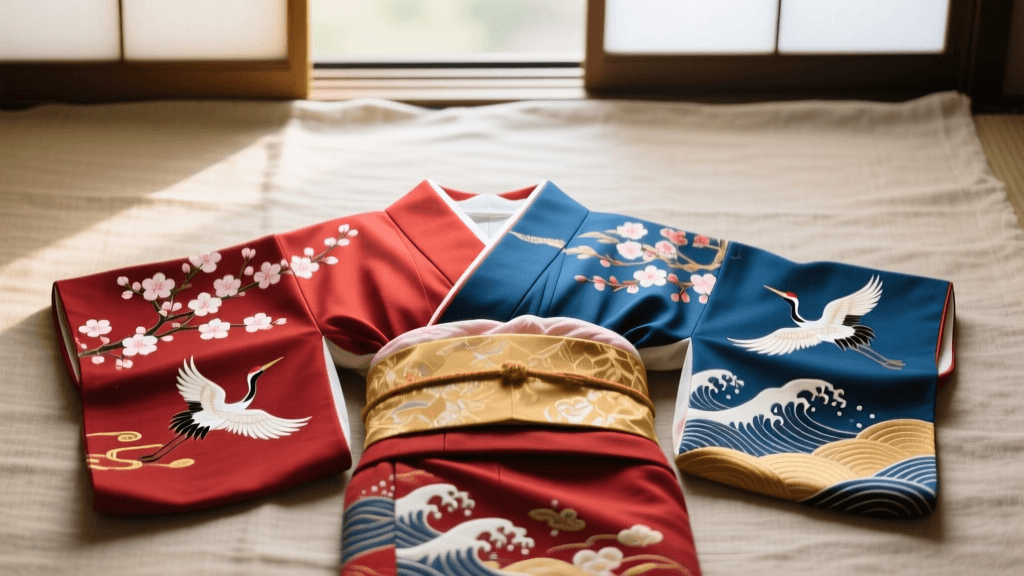
Red is arguably the most popular and auspicious color for a furisode. Historically, red was believed to ward off evil spirits and symbolize life force, passion, and celebration. A crimson furisode often features gold leaf accents and is considered highly appropriate for joyous milestones. In modern retail and rental markets, red furisodes account for nearly 35% of all Seijin no Hi bookings due to their photogenic and vibrant nature.
Black (Kuro)
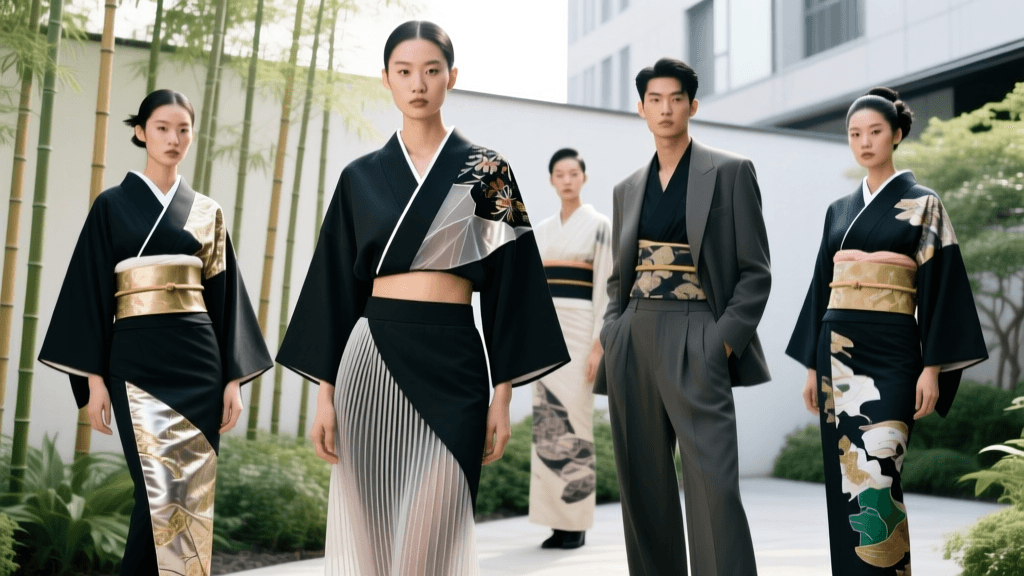
While black is traditionally associated with mourning in Western cultures, a black furisode (often featuring vivid, contrasting floral motifs like cherry blossoms or cranes) represents sophistication, mystery, and high elegance. The Victoria and Albert Museum notes that the striking contrast of bright Yuzen-dyed patterns against dark silk became highly fashionable during the Edo period as a display of wealth and refined taste.
Pastels: Pink, Mint, and Pale Blue
Pastel shades evoke youth, springtime, and gentleness. A pale pink (sakura-iro) or mint green base is often chosen for daytime events and spring weddings. These colors serve as a soft backdrop for intricate embroidery and metallic thread work, allowing the motifs to take center stage without overwhelming the wearer.
Auspicious Motifs: Decoding the Patterns
The motifs adorning a furisode are never random; they are carefully selected to bestow blessings upon the wearer. Here are the most prominent motifs and their meanings:
- Tsuru (Crane): A symbol of longevity and good fortune, as cranes were mythologically believed to live for a thousand years. Cranes are frequently paired with pine trees (matsu) to amplify the message of enduring health.
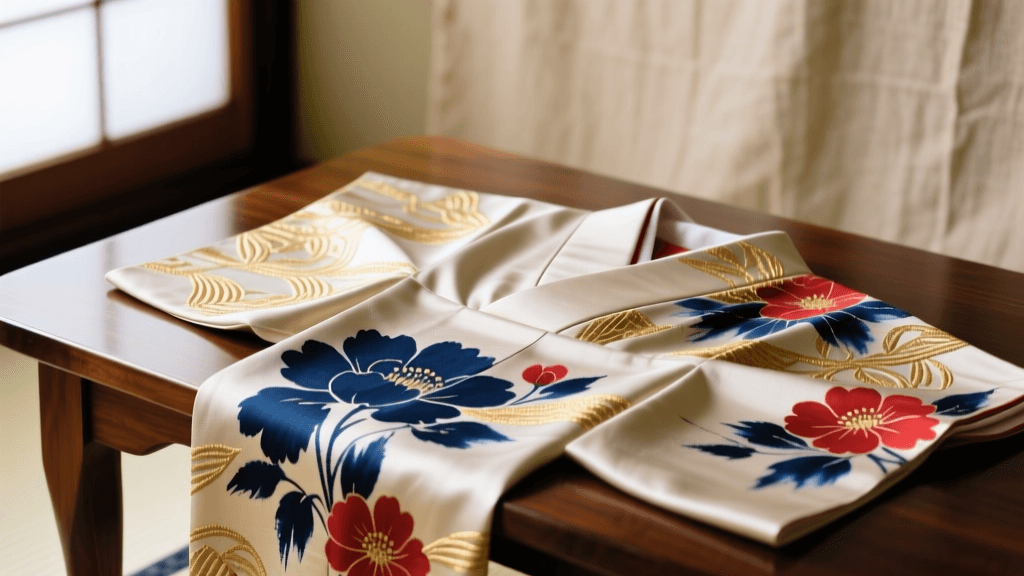
- Botan (Peony): Known as the 'King of Flowers,' the peony represents wealth, prosperity, and honor. It is a bold motif often rendered in vibrant reds and pinks with extensive gold couching embroidery.
- Sakura (Cherry Blossom): While sakura represents the ephemeral nature of life in Buddhist philosophy, on a furisode, it celebrates the fleeting, beautiful youth of the wearer. It is almost exclusively worn in spring.
- Gosho-guruma (Imperial Carriage): A classic Heian-period motif depicting ox-drawn carriages. It signifies nobility, high social standing, and a wish for a luxurious, smooth life journey.
- Shochikubai (Pine, Bamboo, and Plum): This trio is the ultimate auspicious combination. Pine represents endurance, bamboo represents resilience and flexibility, and plum represents perseverance and hope (as it blooms in the late winter snow).
Practical Guide: Furisode Classifications and Sizing
Before purchasing or renting, you must understand the three classifications of furisode, which are defined strictly by sleeve length. The correct sleeve length is determined by the wearer's height and the formality of the event.
Sleeve Length Classifications
- Kofurisode (Short Sleeves): Sleeve length of approximately 85 cm. Suitable for slightly less formal events or shorter women (under 155 cm) to prevent the sleeves from dragging on the floor.
- Chufurisode (Medium Sleeves): Sleeve length of approximately 100 cm. This is the modern standard and the most common type available in rental shops. It suits women between 155 cm and 165 cm.
- Ohfurisode (Long Sleeves): Sleeve length of 114 cm or more. Worn by brides or their unmarried sisters at weddings. It requires the wearer to be taller than 165 cm to maintain proper proportions.
How to Measure for a Furisode
Unlike Western clothing, kimono sizing is relatively forgiving due to the wrapping technique, but precise measurements ensure the hem falls correctly. Measure your height (the ideal kimono length, or 'mitake', is roughly your height minus 30 cm). Measure your hip circumference (the kimono width must be at least half your hip measurement plus 10 cm for overlap). Finally, measure your wrist-to-wrist arm span to ensure the sleeve width does not extend awkwardly past your hands.
Renting vs. Buying: Costs, Timing, and Logistics
Acquiring a furisode is a significant investment of both time and money. Below is a structured comparison to help you decide between renting and purchasing.
| Feature | Renting a Furisode | Buying a Furisode |
|---|---|---|
| Average Cost (JPY) | ¥50,000 - ¥150,000 | ¥300,000 - ¥1,500,000+ |
| Average Cost (USD) | $350 - $1,000 | $2,000 - $10,000+ |
| Inclusions | Usually includes obi, zori (sandals), undergarments, and professional dressing service. | Garment only. Accessories and dressing services cost extra (¥15,000 - ¥30,000 per wear). |
| Maintenance | None. Returned as-is. | Requires professional kimono cleaning (maruarai) after every wear, costing ¥15,000+. |
| Best For | Seijin no Hi, one-time events, budget-conscious buyers. | Heirloom creation, frequent formal attendees, brides. |
Actionable Timeline for Seijin no Hi (Coming-of-Age Day)
Seijin no Hi takes place on the second Monday of January. Because demand is astronomical, you must adhere to a strict booking timeline:
- 12-10 Months Prior (January-March): Begin researching rental shops or visiting department stores (like Mitsukoshi or Takashimaya) for custom orders. Popular motifs and colors sell out over a year in advance.
- 9-6 Months Prior (April-July): Finalize your selection. If buying a custom Yuzen-dyed furisode, the artisan requires at least 6 months to hand-paint and stitch the garment.
- 5-3 Months Prior (August-October): Attend your trial fitting (shichaku). This is crucial for adjusting the hem length and coordinating the obi color. A maroon furisode, for example, pairs beautifully with a gold and green Fukuro obi for a regal contrast.
- 1 Month Prior (December): Confirm your appointment time with the kitsuke (kimono dressing) salon. Dressing takes 45-60 minutes, and salons operate on tight 15-minute scheduling blocks on the morning of the holiday.
Conclusion
The furisode is far more than a beautiful garment; it is a wearable tapestry of Japanese heritage, seasonal awareness, and familial well-wishes. Whether you are drawn to the protective power of crimson, the elegance of black, or the auspicious blessings of the crane and peony, understanding the symbolism allows you to wear the garment with true cultural respect. By carefully planning your measurements, budget, and booking timeline, you can ensure that your experience with this magnificent traditional attire is as seamless and joyous as the motifs it bears.