Celebrity Kimono Trends: How to Style Modern Fusion Looks
The Global Runway: Celebrities Redefining the Kimono
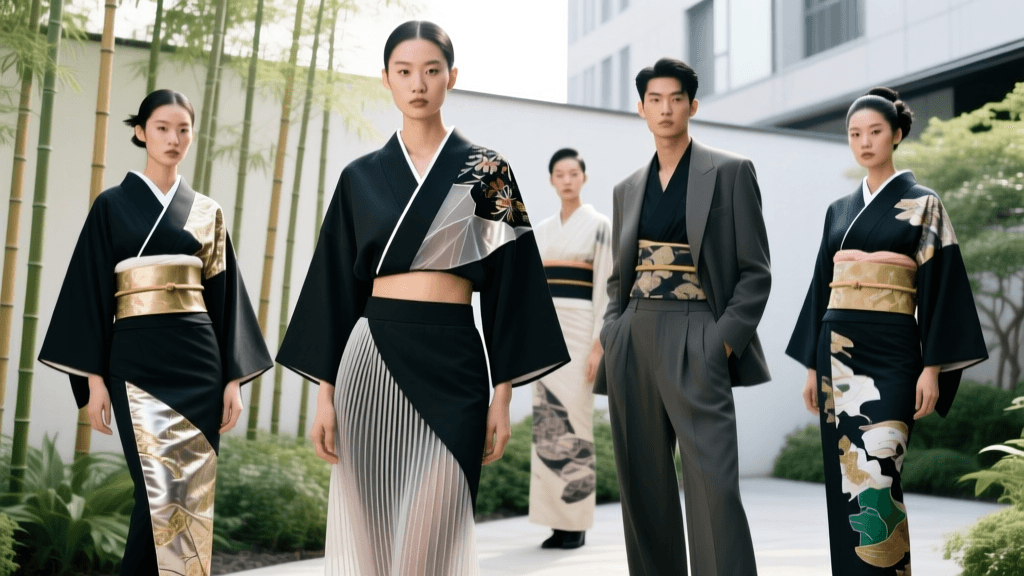
The traditional Japanese kimono has long been revered as a masterpiece of textile art and cultural heritage. However, in recent years, a wave of global celebrities, high-fashion designers, and street-style influencers have propelled the garment into a new era of modern fusion. No longer confined to strict ceremonial rules or traditional tea houses, the kimono is being reimagined on the runways of Paris, the streets of Harajuku, and the Instagram feeds of global fashion icons. From Rihanna's structural outerwear to Zendaya's red-carpet silhouettes, the influence of Japanese draping and T-shaped construction is undeniable.
This crossover was brilliantly documented in the Victoria & Albert Museum's landmark exhibition, 'Kimono: Kyoto to Catwalk', which highlighted how the garment has been a source of global inspiration for centuries. As Vogue noted in their coverage of the exhibition, the kimono is not a static relic of the past, but a dynamic fashion statement that continues to evolve. Today, influencers are blending vintage silk with contemporary streetwear, creating a hybrid aesthetic that is both deeply respectful and boldly avant-garde. In this guide, we break down the top celebrity kimono trends and provide actionable advice on how you can recreate these modern fusion looks, complete with sourcing tips, measurements, and cost estimates.
Top 3 Influencer Kimono Trends to Recreate
1. The Streetwear Sneaker Fusion
Perhaps the most popular trend among Tokyo street-style influencers and Western fashion bloggers is pairing traditional kimono with chunky streetwear sneakers and denim. This look shatters the conventional rule that kimono must only be worn with zori (straw sandals) and tabi (split-toe socks). By grounding a flowing silk komon (everyday patterned kimono) with heavy rubber soles, influencers create a striking silhouette that balances elegance with urban grit.
- The Garment: Opt for a vintage cotton or polyester komon. These materials are durable, machine-washable (in the case of polyester), and can withstand the friction of street walking.
- The Hack: Because traditional kimono hems are meant to graze the ankle, wearing them with chunky sneakers can cause tripping. Influencers solve this by using a deeper ohashori (the waist tuck) to raise the hemline to mid-calf, or by using hidden binder clips to secure the excess fabric at the waist.
- Cost Estimate: Vintage polyester komon ($25–$50); Chunky sneakers like the Balenciaga Track or New Balance 990 ($80–$200).
2. The Corset-Style Obi Cinch
Traditional obi (sashes) require complex folding techniques, specialized pillows (obimakura), and stiff boards (obi-ita). Modern celebrities and avant-garde influencers have bypassed this by replacing the traditional obi knot with structured leather corsets or wide western cinch belts. This trend emphasizes the waist, creating an hourglass figure that merges Victorian silhouette concepts with Edo-period textiles.
- The Garment: A solid-colored tsumugi (woven silk) or a bold, graphic vintage kimono.
- The Hack: Wrap a simple, thin cotton sash around the waist to secure the kimono panels. Then, layer a wide leather corset belt (10–15 cm in width) directly over the sash. This eliminates the need for traditional obi accessories while providing incredible back support and a fierce, high-fashion aesthetic.
- Cost Estimate: Vintage tsumugi kimono ($40–$90); Fashion corset belt ($40–$120).
3. The Haori & Turtleneck Layering
For colder climates, the haori (a hip- or thigh-length kimono jacket) has become a staple in the wardrobes of global influencers. Worn open like a duster coat, the haori adds instant drama to minimalist Western outfits. Celebrities often layer rich, silk haori over cashmere turtlenecks and wide-leg tailored trousers, blending Japanese heritage with Scandinavian minimalism.
- The Garment: A black, navy, or subtly patterned silk haori featuring a hidden hiyoku (inner lining) with a pop of color or a family crest (kamon).
- The Hack: Pay attention to the sleeve length. Western coats usually have standard shoulder seams, but haori sleeves drop from the extended shoulder. To avoid looking swamped, ensure your inner turtleneck is fitted, and let the haori's open front create long, vertical lines that elongate the body.
- Cost Estimate: Vintage silk haori ($60–$150); Cashmere turtleneck ($80–$250).
Comparison Chart: Traditional Rules vs. Influencer Hacks
| Styling Element | Traditional Standard | Influencer Fusion Trend | Practical Benefit |
|---|---|---|---|
| Footwear | Zori sandals with white tabi socks | Chunky sneakers or combat boots | All-day comfort; weather resistance |
| Waist Securing | Complex Obi folding with accessories | Leather corset or wide western belt | Reduces dressing time from 40 mins to 5 mins |
| Innerwear | Silk juban (undergarment) with han-eri | Fitted turtlenecks or lace bodysuits | Warmth; utilizes existing western wardrobe |
| Hemline | Ankle-grazing, secured by ohashori | Mid-calf or midi-length via deep tucks | Prevents tripping; shows off statement shoes |
Practical Sourcing: Measurements, Costs, and Where to Buy
When shopping for authentic kimono to recreate these celebrity looks, understanding Japanese garment measurements is crucial. Unlike Western clothing, kimono are sold based on three primary dimensions:
- Mitake (Back Length): Measured from the base of the neck to the hem. The standard vintage length is around 120–130 cm. If you are taller, look for modern or custom-sized kimono, or embrace the high-low hem trend by leaving the front panels slightly longer.
- Yuki (Sleeve Length): Measured from the center back of the neck, across the shoulder, and down to the wrist. Standard vintage yuki is 64–66 cm. On taller individuals or those with broader shoulders, this will present as a stylish three-quarter sleeve, which pairs perfectly with the corset-belt trend.
- Width (Kurioshi): The width of the fabric bolt. Vintage kimono were made for narrower frames (approx. 60 cm panel width). If you require more room, seek out modern 'Western-sized' kimono or opt for the haori jacket, which is meant to be worn open and is far more forgiving.
For sourcing, platforms like eBay, Etsy, and specialized Japanese export sites (such as Yamatoku or Japan Excess) are goldmines for vintage pieces. According to the Japan National Tourism Organization, supporting traditional crafts and upcycling vintage textiles is a vital part of sustaining Japan's artisanal heritage. Buying vintage not only saves you hundreds of dollars compared to new, bespoke silk, but it also aligns with the sustainable fashion movement championed by eco-conscious influencers.
Navigating Cultural Appreciation in Modern Styling
As the kimono enters the global mainstream via celebrity endorsements, the conversation around cultural appropriation versus appreciation becomes paramount. Japanese culture is historically generous with its art forms, and many Japanese designers and citizens actively encourage international audiences to wear kimono, provided it is done with respect. The key to respectful fusion styling lies in understanding the garment's anatomy. Never cut or permanently alter a vintage silk kimono to achieve a western silhouette. Instead, use non-destructive styling methods like binder clips, corset belts, and strategic tucking to alter the shape temporarily. Furthermore, avoid pairing sacred or highly formal garments (like the pure white shiromuku wedding kimono or somber mourning wear) with casual streetwear. Stick to komon, yukata, and haori, which were historically designed for everyday life, travel, and casual socializing.
Conclusion
The celebrity-driven kimono renaissance proves that traditional garments do not have to be frozen in time to be respected. By blending the structural elegance of Japanese textiles with the practicality and edge of modern streetwear, influencers are ensuring the kimono remains a living, breathing part of the global fashion dialogue. Whether you are cinching a vintage silk komon with a leather corset or draping a crested haori over a minimalist turtleneck, you are participating in a rich, cross-cultural exchange that honors the past while boldly stepping into the future.