Peking Opera Costumes: Guide to Jingju Xingtou & Festival Wear
The Art of Xingtou: Understanding Peking Opera Costumes
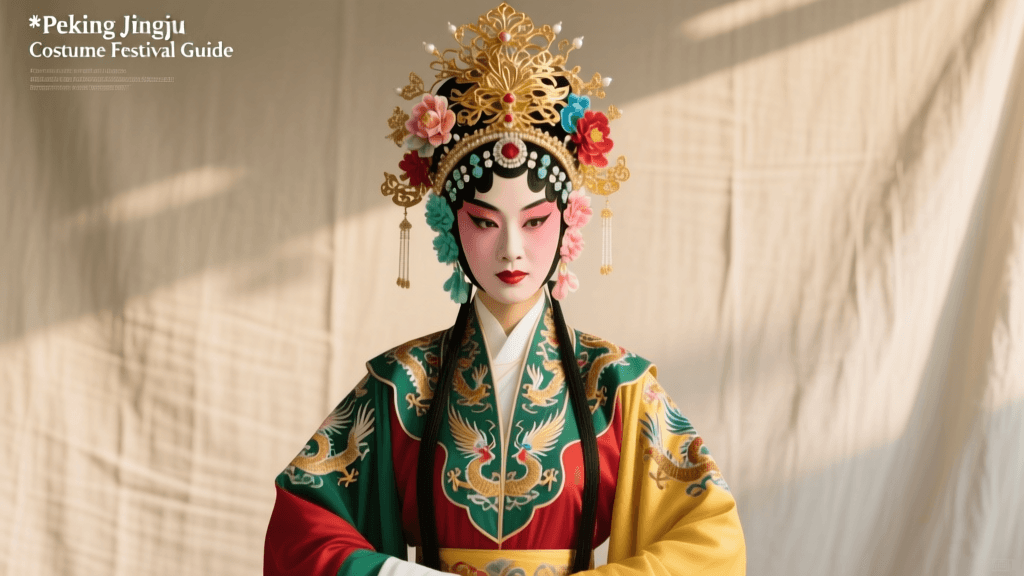
Peking Opera, or Jingju, is a magnificent synthesis of music, vocal performance, mime, dance, and acrobatics. Recognized by UNESCO as an Intangible Cultural Heritage of Humanity, its visual impact relies heavily on the Xingtou—the traditional wardrobe. Unlike Western theatrical costumes designed for historical realism, the Xingtou is a highly stylized visual language. Every color, motif, and silhouette communicates a character's social status, moral alignment, and temperament to the audience before a single word is sung.
For cultural festival organizers, university troupes, and indie filmmakers, sourcing and utilizing authentic Jingju garments requires a deep understanding of their construction, symbolism, and handling. This guide provides a comprehensive breakdown of Peking Opera costumes, from the core garment categories to practical sourcing, measurement, and maintenance advice for modern performances.
The Five Core Garments of the Xingtou Wardrobe
The foundation of the Peking Opera wardrobe is known as the Wu Yi (Five Coats). While there are dozens of specialized accessories, these five base garments cover the vast majority of character roles on stage.
1. Mang (Python Robe)
The Mang is the most formal and opulent garment, worn exclusively by emperors, high-ranking officials, and nobility. It features a round collar, wide sleeves, and is heavily embroidered with python motifs (four-clawed dragons, as the five-clawed dragon was strictly reserved for the historical Emperor's actual court). The Mang is always worn with a jade belt (yudai) and thick-soled boots.
2. Pei (Informal Robe)
The Pei is a versatile, cross-collared robe worn by scholars, nobles, and officials in domestic or informal settings. It features a center-front slit and side slits for ease of movement. Female roles (Dan) often wear elaborately embroidered Pei adorned with phoenixes and peonies.
3. Kao (Armor)
The Kao is a marvel of theatrical engineering, worn by military generals and warriors. It consists of a heavily embroidered front and back piece, often featuring scale or tiger motifs. The most striking element is the kaoqi—four pennants or flags attached to a leather harness on the back. These flags represent an entire army and require the performer to maintain perfect posture and core strength to keep them balanced during acrobatic fight sequences.
4. Zhe (Casual Robe)
The Zhe is the most commonly used garment in the Xingtou. It is a simple, cross-collared robe with wide sleeves, worn by commoners, lower officials, and scholars. A black Zhe often denotes poverty or a scholar in distress, while brightly colored Zhe indicate wealth or youth.
5. Yi (Specialized Garments)
The Yi category is a catch-all for highly specific roles. This includes the Fuguiyi (garments for eunuchs and palace maids), monk robes, and specialized ethnic minority representations.
Color Symbolism and Embroidery Techniques
In Jingju, color is never arbitrary. As noted by Encyclopedia Britannica, the color coding in Peking Opera allows audiences to instantly recognize a character's moral compass:
- Yellow: Imperial power, royalty, and supreme authority.
- Red: Loyalty, bravery, and righteousness (famously worn by the legendary general Guan Yu).
- Black: Integrity, bluntness, and fierce impartiality (associated with Judge Bao Zheng).
- White: Treachery, cunning, and suspicion (the hallmark of the villainous Cao Cao), or mourning.
- Blue/Green: Often used for bandits, rebels, or supernatural beings.
The embroidery on high-end Xingtou is a masterclass in Chinese textile arts. According to the Victoria and Albert Museum, traditional opera costumes utilize techniques like Su Xiu (Suzhou embroidery) and Panjin (gold couching). In gold couching, threads of real gold and silver wrapped around silk cores are laid on the fabric and stitched down with fine silk threads. This creates a raised, luminous effect that catches the stage lights brilliantly, ensuring the actor remains the focal point even in the back rows of a grand theater.
Sourcing Xingtou for Festivals and Performances
Acquiring Peking Opera costumes for cultural festivals, film productions, or stage revivals requires careful budgeting and timeline management. Authentic, hand-embroidered silk garments are investment pieces, while modern synthetic alternatives offer budget-friendly options for large ensemble casts.
Cost and Timeline Breakdown
| Acquisition Method | Estimated Cost (USD) | Lead Time | Best Use Case |
|---|---|---|---|
| Professional Rental | $80 - $250 per day | 2 - 4 weeks | Short-term festivals, single performances, photo shoots. |
| Off-the-Rack (Machine Embroidered) | $300 - $900 per set | 1 - 2 months | University troupes, background ensemble, low-budget film. |
| Bespoke (Hand-Embroidered Silk) | $3,500 - $15,000+ | 4 - 8 months | Lead roles, professional opera companies, museum archives. |
Pro Tip for Festival Organizers: When renting, always confirm if the rental includes the Guanmao (headwear) and Hou (thick-soled boots). These accessories are often rented separately and are crucial for completing the silhouette.
Essential Measurements and Fitting Guide
Peking Opera costumes are designed to be adjustable. The Mang and Pei are wrapped and tied rather than buttoned, allowing a single garment to fit multiple actors. However, for bespoke commissions or precise rentals, specific measurements are required, particularly for the Shuixiu (water sleeves) and headwear.
| Measurement Point | Description & Notes |
|---|---|
| Chest & Waist | Measured over the traditional under-padding. Actors often wear thick cotton vests to create a commanding, broad-shouldered silhouette. |
| Shoulder Width | Critical for the Kao (armor) harness to sit correctly without restricting arm movement during martial arts sequences. |
| Sleeve Length | Measured from the nape of the neck to the wrist bone. The base robe must not drag on the floor. |
| Water Sleeve (Shuixiu) Length | Standard performance length is 40cm - 60cm attached to the cuff. Specialized emotional roles may require 80cm - 100cm+. |
| Head Circumference | Essential for the Guanmao (hat). A poorly fitted hat will fly off during rapid head movements (shuaifa). |
| Boot Size & Calf | Hou boots add 5-10cm of height. The calf measurement ensures the stiff leather shafts do not chafe during high kicks. |
The Dressing Process: A Theatrical Ritual
Dressing a Jingju actor is not a simple task of putting on clothes; it is a 45 to 90-minute ritual requiring a specialized dresser known as a xiangong. The process begins with binding the legs and torso, followed by layering thick cotton padding to alter the actor's natural body shape. Next comes the zhongyi (undergarments), the main silk robe, the jade belt, and finally the intricate headwear and makeup integration. For festival performers, allocate at least two hours before curtain call for full costume and makeup application.
Maintenance and Storage of Silk Opera Garments
Authentic Xingtou garments are incredibly fragile and expensive to replace. Proper maintenance is non-negotiable for any theater company or cultural institution.
- Never Wash with Water: The dyes used in traditional silk embroidery will bleed instantly upon contact with water. The gold couching threads will tarnish and snap.
- Airing Out: After a performance, the garments must be hung in a shaded, well-ventilated area to dry from the actor's sweat. Never expose them to direct sunlight, which degrades silk fibers.
- Spot Cleaning: Use specialized, dry silk solvents for minor stains on the inner linings. For heavy soiling, consult a textile conservator.
- Storage: Store heavy Mang and Kao robes flat in archival, acid-free tissue paper. Fold them as few times as possible to prevent permanent creasing of the embroidery. Place natural camphor wood blocks in the storage chests to deter moths and silverfish, avoiding chemical mothballs which can react with the metallic threads.
By understanding the profound symbolism, precise construction, and meticulous care required for Peking Opera costumes, festival directors and performers can ensure that the legacy of the Xingtou continues to captivate audiences with its unparalleled theatrical brilliance.