Kimono Life Stages: Traditional Japanese Milestones 2026
The Kimono as a Canvas of Life
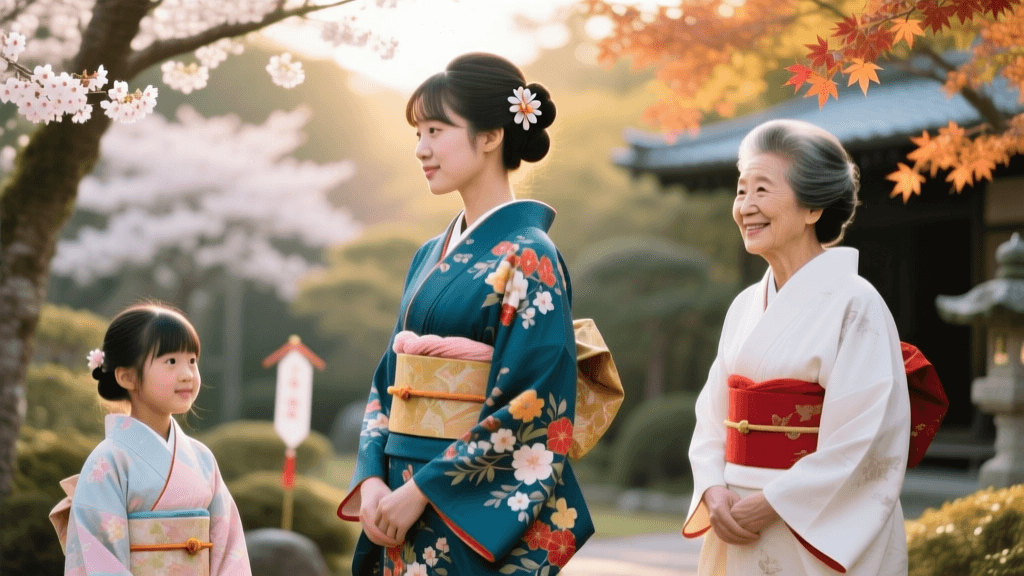
In Japanese culture, the kimono is far more than a beautiful garment; it is a chronological map of a person’s life. From the moment a child is born to their final years, the textiles, sleeve lengths, motifs, and colors of their attire communicate their age, marital status, and social milestones to the world. As we navigate through 2026, the intersection of ancestral customs and contemporary lifestyle has sparked a remarkable revival in kimono wearing. Younger generations are increasingly embracing these garments, blending heritage with modern sustainability and digital styling tools.
According to the Metropolitan Museum of Art, the kimono's structure and decoration have historically served as a visual language, where every fold and pattern conveys specific societal information. Today, understanding this language remains essential for anyone participating in Japanese cultural ceremonies. This comprehensive guide explores the specific kimono styles designated for different life stages and age milestones in 2026.
Infancy and Childhood: Miyamairi and Shichi-Go-San
Miyamairi (The First Shrine Visit)
The first major milestone in a Japanese child's life is Miyamairi, typically celebrated when the infant is about one month old. The baby is dressed in a white silk kimono, symbolizing purity and a blank canvas for life. Over this, the infant wears a beautifully embroidered uwagi (outer robe) featuring auspicious motifs like cranes, turtles, or pine trees, which represent longevity and resilience. In 2026, many families opt for rental services that provide sterilized, eco-friendly silk options, ensuring both tradition and modern hygiene standards are met.
Shichi-Go-San (Seven-Five-Three)
Celebrated annually on November 15th, Shichi-Go-San is a rite of passage for children aged three, five, and seven. This festival celebrates the survival and growth of children in a historical era when infant mortality was high.
- Age 3 (Girls and Boys): Children wear vibrant, playful kimono. Girls typically wear a hifu, a padded silk vest, over their kimono because they are not yet old enough to tie a formal obi (sash).
- Age 5 (Boys): Boys wear their first hakama (pleated trousers) and a haori (half-coat) adorned with the family crest (kamon), marking their formal entry into society.
- Age 7 (Girls): Girls transition from the simple hifu to a full, adult-style obi tied in a decorative knot, symbolizing their graceful transition toward womanhood.
Children are also given chitose ame (thousand-year candy) in long, crane-and-turtle-decorated bags, reinforcing the prayers for a long, healthy life.
Coming of Age: Furisode and the Transition to Adulthood
The Seijin no Hi (Coming of Age Day) is one of the most visually spectacular events in Japan. Following the civil code revision that lowered the legal age of adulthood to 18, municipalities across Japan have adapted. However, by 2026, the cultural and sartorial celebration remains firmly anchored at age 20, often rebranded as Hatachi no Tsudoi (Gathering of 20-Year-Olds). The kimono industry successfully advocated for this preservation, recognizing that 20 remains the ideal age for the grand debut of the furisode.
The Furisode
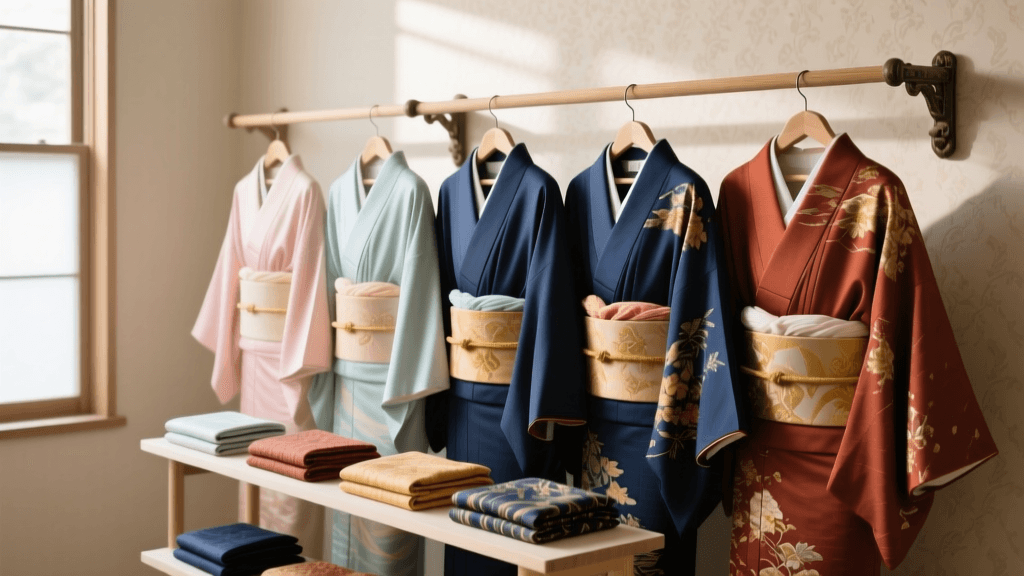
The furisode is the most formal kimono for unmarried young women. Its defining feature is the obushake—long, swinging sleeves that can measure up to 114 centimeters in length. Historically, these long sleeves were believed to ward off evil spirits and express romantic interest through graceful, sweeping gestures. In 2026, popular furisode motifs include modern reinterpretations of classic yuzen dyeing, featuring bold, asymmetrical floral patterns and metallic leaf accents. The obi is tied in elaborate, voluminous knots, such as the fukura-suzume (plump sparrow), requiring the expertise of a professional kitsuke (kimono dresser).
Men's Coming of Age Attire
While many young men wear Western suits to their coming-of-age ceremonies in 2026, those who choose traditional attire wear a formal black or deep navy montsuki hakama ensemble, featuring the family's kamon (crests) on the haori and kimono. This ensemble projects maturity, respect, and a connection to samurai heritage.
Matrimony: Shiromuku, Uchikake, and Kurotomesode
Wedding ceremonies (Kekkon Shiki) feature the most complex and expensive kimono in a Japanese person's life, representing the pinnacle of textile artistry.
The Bride: Shiromuku and Iro-Uchikake
For the traditional Shinto ceremony, the bride wears a shiromuku, an entirely white ensemble symbolizing purity and her willingness to be 'dyed' in the colors of her new family. The white hood, known as a wataboshi or the tsunokakushi ('horn-hider'), represents the bride's resolve to hide any 'horns' of jealousy or ego. During the reception, she often changes into an iro-uchikake, a heavily padded, colorful overcoat featuring lavish embroidery of cranes, pine, and plum blossoms, which the Victoria and Albert Museum notes as classic symbols of marital harmony and endurance.
The Mothers: Kurotomesode
The mothers of the bride and groom wear the kurotomesode, the most formal kimono for married women. It is black, features five family crests, and has a continuous, elegant pattern (suso-moyo) only along the lower hem. The black background signifies the solemnity of the occasion and the married status of the wearer, while the short sleeves contrast sharply with the long sleeves of the unmarried bridesmaids.
Kimono Milestones and 2026 Market Guide
The market for kimono rentals and purchases has evolved significantly. Below is a comparative guide to the primary garments associated with life stages, including average 2026 market costs for high-quality rentals and purchases.
| Life Stage / Milestone | Typical Age | Primary Garment | Defining Feature | 2026 Avg. Rental / Purchase Cost |
|---|---|---|---|---|
| Miyamairi | 1 Month | Uwagi (Outer Robe) | White silk base, embroidered auspicious motifs | Rental: ¥15,000 / Purchase: ¥80,000 |
| Shichi-Go-San | 3, 5, 7 | Hifu / Hakama | Padded vest for toddlers; pleated trousers for boys | Rental: ¥25,000 / Purchase: ¥120,000 |
| Coming of Age | 20 | Furisode | Long swinging sleeves (up to 114cm), vibrant dyes | Rental: ¥180,000 / Purchase: ¥600,000+ |
| Wedding (Bride) | 20s-30s | Shiromuku / Uchikake | Pure white or heavily embroidered colorful overcoat | Rental: ¥250,000 / Purchase: ¥1,500,000+ |
| Wedding (Mothers) | 50s-60s | Kurotomesode | Black silk, 5 crests, hem-only patterns | Rental: ¥100,000 / Purchase: ¥400,000 |
Later Life: Houmongi and the Elegance of Restraint
As Japanese women progress through middle and later life, the kimono palette shifts from the vibrant, sprawling patterns of youth to the subdued, refined elegance of maturity. The houmongi (visiting wear) and tsukesage become the staples for formal gatherings, tea ceremonies, and cultural events.
Unlike the furisode, these garments feature standard-length sleeves and patterns that flow across the seams but are generally more contained and asymmetrical. For older women, the motifs often reflect the changing seasons with a more abstract or geometric sensibility, such as edo komon (micro-patterns that appear solid from a distance but reveal intricate designs up close). The wearing of kamon (family crests) on the back of the neck elevates the formality of these garments, allowing older women to command respect and project quiet dignity at formal gatherings.
2026 Trends: Sustainability, Preservation, and Modern Kitsuke
The year 2026 has brought significant innovations to the preservation and wearing of traditional garments. The kimono industry is heavily focused on sustainability. Artisans are increasingly utilizing Yuki-tsumugi, a highly prized, hand-spun silk weaving technique recognized by UNESCO as an Intangible Cultural Heritage. Modern buyers are investing in these heirloom-quality textiles not just for single events, but as sustainable, multi-generational assets that can be dyed and altered as the wearer ages.
Furthermore, the art of kitsuke (dressing) has been modernized. AI-driven virtual fitting rooms allow users to visualize how specific obi knots and color palettes will look on their exact body measurements before booking a rental. Eco-friendly, waterless cleaning technologies for delicate silks have also become standard in 2026, ensuring that antique kimono passed down through families can be safely maintained without degrading the historical fibers.
Conclusion
The kimono remains a profound testament to the Japanese philosophy of life as a series of deliberate, beautiful transitions. Whether it is the padded vest of a three-year-old, the sweeping sleeves of a twenty-year-old, or the dignified black silk of a matriarch, each garment tells a story of growth, responsibility, and cultural continuity. By understanding these milestones, we gain a deeper appreciation for a sartorial tradition that continues to weave the past into the fabric of the future.