Mindful Kitsuke: Kimono Dressing & Zen Meditation 2026
The Intersection of Kitsuke and Zen Mindfulness
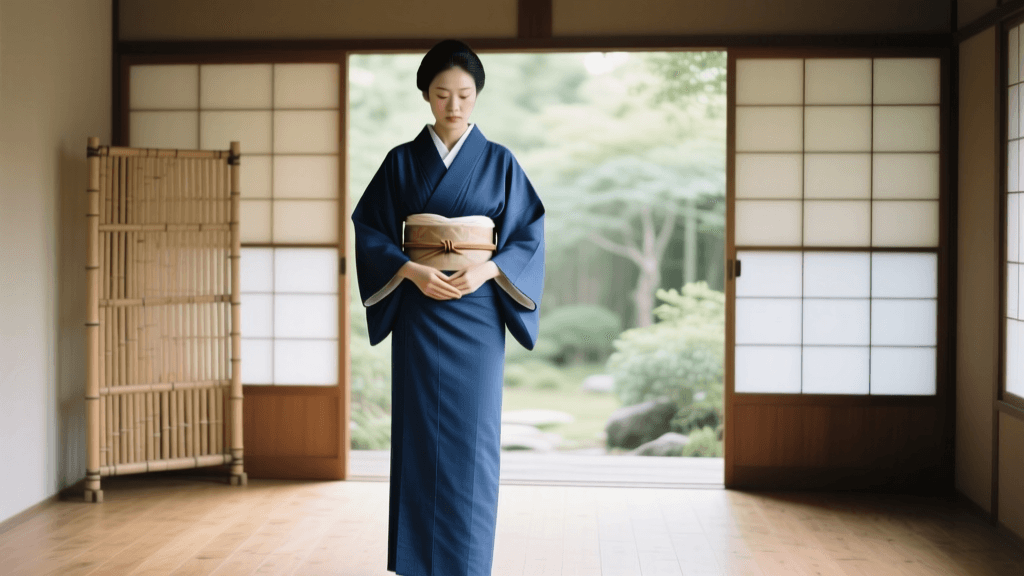
In the hyper-connected, fast-paced digital landscape of 2026, the search for genuine grounding has led many wellness seekers back to ancient somatic practices. Among the most profound of these is the intersection of kitsuke (the art of wearing a kimono) and Zen spirituality. Far from being a mere fashion statement or a rigid historical costume, the kimono serves as a wearable meditation tool. When approached with intentionality, the physical act of dressing becomes a moving meditation, aligning the breath, the body, and the mind.
At premier wellness retreats across Japan in 2026, practitioners are increasingly adopting mindful kitsuke as a prerequisite to zazen (seated meditation). The tactile sensation of natural fibers, the structured restriction of the obi (sash), and the deliberate alignment of seams force the wearer into a state of deep present-moment awareness.
The Philosophy of Ma and the Architecture of the Kimono
To understand kimono dressing as a spiritual practice, one must first understand the Japanese concept of Ma (negative space). Unlike Western tailoring, which cuts and darts fabric to hug the three-dimensional curves of the human body, the traditional kimono is constructed from straight, rectangular bolts of fabric. According to the Victoria and Albert Museum's Asian textile archives, this flat, geometric construction means the garment does not impose a shape on the wearer; rather, the wearer must cultivate the posture and grace required to bring the garment to life.
This architectural difference is the foundation of mindful dressing. When you put on a kimono, you are acutely aware of the Ma—the space between your body and the silk or cotton. You must adjust your posture, elongate your spine, and relax your shoulders to allow the fabric to drape correctly. This physical alignment naturally triggers the parasympathetic nervous system, preparing the body for deep Zen meditation.
Choosing the Right Garments for Zen Practice in 2026
While the formal silk kimono is a masterpiece of textile art, it is not always practical for extended meditation or temple work. In 2026, modern practitioners and temple residents utilize a specific hierarchy of garments tailored for mindfulness, breathwork, and physical grounding. Below is a comparison of the most appropriate garments for a mindful dressing practice.
| Garment Type | Material & Weight | Best Mindful Use Case | 2026 Avg. Price Range (JPY) |
|---|---|---|---|
| Samue | Woven Cotton / Linen Blend (Medium-Heavy) | Temple groundskeeping, walking meditation, active Zen work (Samu) | ¥8,000 - ¥18,000 |
| Yukata | Breathable Cotton (Light) | Summer Zazen, post-bathing relaxation, beginner mindful draping | ¥5,000 - ¥15,000 |
| Komon | Patterned Silk (Medium) | Formal tea ceremonies, deep indoor meditation, sensory silk grounding | ¥35,000 - ¥90,000 |
| Jinbei | Cotton / Hemp (Very Light) | Breathwork (Kokyu-ho), informal morning stretching | ¥4,000 - ¥10,000 |
The Mindful Dressing Ritual: A Step-by-Step Guide
Transforming kitsuke from a daily chore into a Zen ritual requires slowing down and engaging all five senses. Here is a step-by-step guide to mindful dressing, designed to be completed in 15 to 20 minutes before your morning meditation.
Step 1: Purification and Grounding (Misogi)
Before touching the fabric, stand barefoot on a natural surface (wood or tatami). Take five deep, diaphragmatic breaths. Visualize shedding the anxieties of the external world. In Zen tradition, this mirrors misogi (ritual purification). Acknowledge the garment as a partner in your practice, not merely an object to be worn.
Step 2: The Foundation (Juban)
Slip on the hadajuban (undergarment). As you tie the small front string, focus on the tactile sensation of the cotton against your skin. This layer absorbs sweat and protects the outer garment, symbolizing the protective boundary of your inner peace against external distractions.
Step 3: Aligning the Seams (Finding the Center)
Drape the main garment (whether a yukata or komon) over your shoulders. The back seam (se-ota) must align perfectly with the center of your spine. This requires profound proprioception. Close your eyes and use your sense of touch to ensure the seam rests exactly over your vertebrae. This physical centering acts as a somatic anchor for your mental focus.
Step 4: The Left Over Right Rule (The Order of the Universe)
Wrap the left side over the right. (Wrapping right over left is strictly reserved for dressing the deceased in Japanese culture). As you cross the fabric, visualize the overlapping of dualities in Zen philosophy—action and stillness, form and emptiness—coming into harmonious balance.
Step 5: Tying the Obi (The Anchor of the Core)
The obi is the energetic center of the kimono. When wrapping the sash around your waist and tying the mae-musubi (front knot) before twisting it to the back, engage your core muscles. The gentle, firm pressure of the obi against your hara (the physical and spiritual center of gravity, located just below the navel) provides continuous tactile feedback, reminding you to breathe deeply into your belly during zazen.
2026 Kyoto Retreats: Where to Practice Mindful Kitsuke
For those looking to deepen their practice under the guidance of Zen monks and master kimono dressers, several temples and cultural centers in Kyoto have integrated mindful kitsuke into their 2026 wellness itineraries. According to the official Kyoto City tourism and cultural heritage guides, temple stays (shukubo) are increasingly blending traditional garment wearing with morning sutra chanting and meditation.
Shunkoin Temple, a sub-temple of the Myoshin-ji complex, frequently hosts international visitors for zazen and cultural workshops. While traditionally focused on meditation and Buddhist philosophy, the surrounding temple grounds and affiliated cultural masters offer private sessions on the meditative aspects of wearing traditional monastic and lay garments. Similarly, the Kennin-ji Temple area offers immersive mornings where the quiet rustle of silk and the scent of aged wood set the stage for a deeply sensory Zen experience.
The Neuroscience of Ritualistic Dressing
Why does the act of putting on a kimono feel so profoundly calming? Modern psychology offers compelling answers. According to research highlighted by the American Psychological Association (APA), engaging in structured, deliberate rituals significantly lowers cortisol levels and reduces cognitive load. The complexity of kitsuke demands just enough cognitive engagement to induce a flow state, preventing the mind from wandering into ruminative anxiety.
Furthermore, the deep pressure therapy provided by a properly tied obi stimulates the vagus nerve, which regulates the body's relaxation response. In 2026, as digital burnout reaches unprecedented levels, the intentional, screen-free, highly tactile ritual of mindful kimono dressing offers a powerful, scientifically backed antidote to modern stress.
Conclusion
The kimono is far more than a beautiful artifact of Asian tradition; it is a sophisticated instrument for somatic mindfulness. By treating the act of dressing not as a preparation for the day, but as the very first meditation of the day, practitioners in 2026 are discovering a profound sense of inner stillness. Whether you are tying the cotton sash of a samue in your living room or adjusting the silk collar of a komon in a Kyoto temple, the ritual remains the same: align the seam, center the breath, and step into the present moment.