Kimono And Zen Spirituality: Mindful Dressing Guide 2026
The Intersection of Zen Philosophy and Traditional Garments
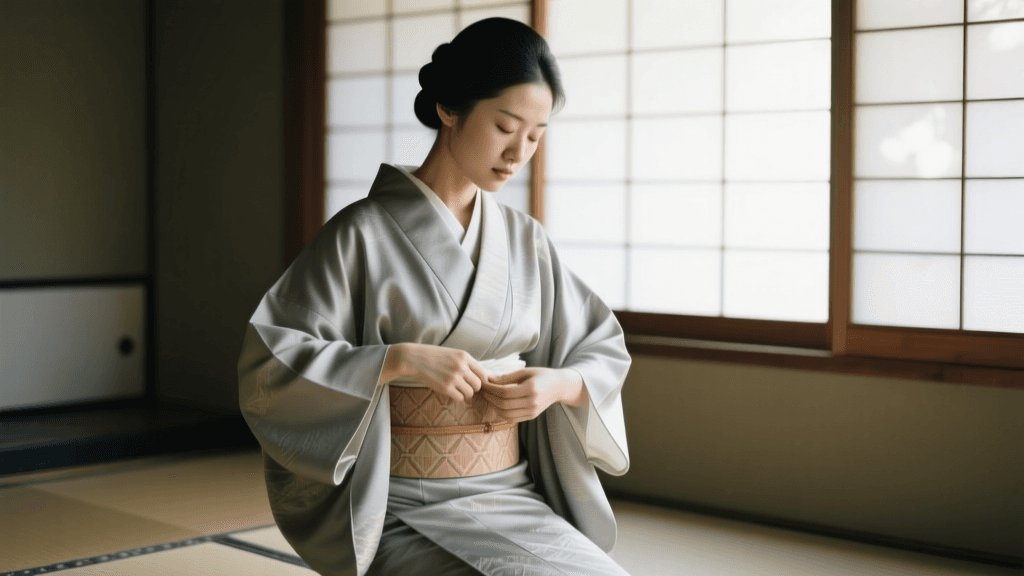
In the rapidly accelerating digital landscape of 2026, the global wellness movement has increasingly turned toward ancient, tactile practices to combat screen fatigue and cognitive overload. Among the most profound of these practices is the intersection of Zen spirituality and the traditional Japanese art of kimono dressing, known as kitsuke. Far from being a mere exercise in historical fashion, mindful kitsuke is a form of moving meditation. It requires intense physical awareness, controlled breathing, and a deep philosophical connection to the present moment. When approached with a Zen mindset, the act of wrapping oneself in layers of silk, linen, or cotton becomes a powerful ritual of grounding and self-alignment.
The historical roots of this connection run deep. As detailed by The Metropolitan Museum of Art, the evolution of the kimono from the functional garments of the Heian period to the highly structured, symbolic attire of the Edo period was heavily influenced by Japan's socio-religious shifts, including the integration of Zen Buddhism into daily life and aesthetics. Zen emphasizes the sacredness of ordinary actions. Just as the tea ceremony (chado) elevates the drinking of tea to a spiritual discipline, mindful kitsuke elevates the act of dressing into a meditation on form, emptiness, and intentionality.
Core Zen Concepts in Mindful Kitsuke
To practice kimono dressing as a meditation in 2026, one must first understand the Zen principles that inform the ritual. These concepts transform a routine task into a profound spiritual exercise:
- Shoshin (Beginner's Mind): Even if you have tied an obi a thousand times, mindful kitsuke requires you to approach the fabric as if it is your very first time. This prevents the mind from wandering into autopilot and keeps your sensory awareness sharp.
- Ichigo Ichie (One Time, One Meeting): This tea ceremony proverb translates perfectly to dressing. The specific way the fabric drapes today, the exact tension of the silk, and your current state of mind will never occur in the exact same configuration again. Every dressing session is a unique, unrepeatable encounter.
- Mushin (No-Mind): The state of mental clarity where the mind is not fixed on anything and is open to everything. In kitsuke, this is achieved when your hands know the folds and ties so intimately that conscious thought dissolves into pure, flowing action.
Preparing the Space and the Mind
Before touching a single garment, the mindful practitioner prepares the environment. In 2026, modern wellness spaces often incorporate dedicated 'transition zones' for this exact purpose. Clear a quiet room, preferably with natural light. Lay out your kimono, nagajuban (undergarment), koshihimo (tying sashes), and obi on a clean surface or traditional kimono stand (ikou).
Begin with a brief period of zazen (seated meditation). Sit in seiza (kneeling) or on a cushion, spine straight, hands resting in the cosmic mudra. Take ten deep, diaphragmatic breaths. The goal is to transition from the chaotic energy of the outside world into the deliberate, measured pace of the dressing ritual. According to mindfulness teachings from Plum Village, conscious breathing is the bridge that unites the body and mind, a principle that is absolutely vital before engaging in the physical demands of kitsuke.
The Step-by-Step Meditative Dressing Process
Phase 1: The Juban and Inner Alignment
The first layer of contact is the nagajuban (under-kimono) and the hadajuban (innermost garment). As you slip your arms into the sleeves, focus entirely on the tactile sensation of the fabric against your skin. In 2026, many practitioners opt for organic, unbleached cotton or lightweight Ojiya-chijimi linen for these inner layers to maximize sensory grounding. Smooth the collar at the back of your neck, ensuring the eri (collar) sits perfectly. This act of smoothing the collar is symbolic of smoothing the mind, clearing away the wrinkles of anxiety and distraction.
Phase 2: The Kimono and the Breath
Draping the main kimono requires a synchronization of movement and breath. Pick up the kimono by the collar seams. As you inhale deeply, slide it over your shoulders. As you exhale slowly, allow the garment to settle. The fundamental rule of kitsuke is wrapping the left panel over the right panel. As you pull the left side across your body, maintain a steady, rhythmic breathing pattern. Do not rush. If the fabric bunches or the hemline is uneven, do not feel frustration. Simply pause, take a breath, and adjust. The adjustment is not a mistake; it is part of the meditation.
Phase 3: Tying the Koshihimo and Centering the Hara
The koshihimo are the thin sashes used to secure the kimono before the obi is applied. Tying these sashes requires you to engage your hara (the physical and spiritual center of gravity, located just below the navel). When you pull the sash taut, exhale sharply and engage your core. This physical centering mirrors the spiritual centering sought in Zen archery (kyudo) and martial arts. The tension of the sash should be firm but not restrictive—a physical manifestation of the Middle Way, avoiding the extremes of laxity and rigidity.
Phase 4: The Obi as the Anchor of Focus
The obi is the most complex and visually striking element of the kimono. Wrapping and tying the obi demands absolute presence. Whether you are tying a simple otaiko musubi (drum knot) or a more intricate design, your hands must move with deliberate grace. Focus on the sound of the stiff silk or brocade folding against itself. The final tuck of the obiage (sash scarf) and the securing of the obijime (cord) serve as the closing bell of your meditation, signaling that the ritual is complete and you are ready to step into the world.
Comparing Standard vs. Mindful Zen Kitsuke
To understand the shift in perspective required for this practice, consider the differences between dressing for mere utility and dressing as a spiritual discipline:
| Aspect | Standard Kitsuke (Utility) | Mindful Zen Kitsuke (Spiritual) |
|---|---|---|
| Primary Goal | Aesthetics, speed, and correctness | Presence, grounding, and inner alignment |
| Pacing | Rushed to meet a schedule | Deliberate, unhurried, breath-synced |
| Response to Errors | Frustration, rushing to fix | Acceptance, mindful adjustment |
| Sensory Focus | Visual (how it looks in the mirror) | Tactile and kinesthetic (how it feels) |
| Breathing | Shallow, often held during complex ties | Deep, diaphragmatic, continuous |
2026 Trends: Sustainable and Sensory-Friendly Textiles
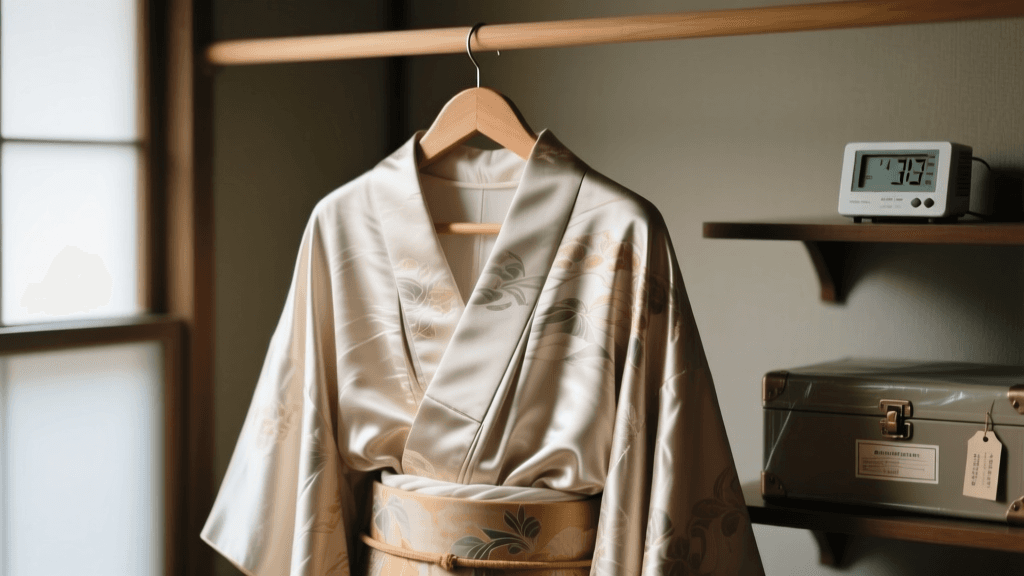
A crucial element of mindful kitsuke in 2026 is the ethical and sensory sourcing of the garments themselves. The modern Zen practitioner recognizes that true mindfulness extends to the environmental impact of their choices. There is a massive resurgence in vintage and upcycled silk kimonos, honoring the concept of mottainai (a sense of regret concerning waste). Furthermore, contemporary weavers in regions like Niigata and Kyoto are producing breathtaking organic hemp and peace silk (ahimsa silk) kimonos. These textiles offer a slightly more textured, imperfect surface that beautifully embodies the Zen aesthetic of wabi-sabi—finding beauty in the natural, the rustic, and the transient.
When selecting a kimono for mindful dressing, avoid heavily synthetic blends that trap heat and create static, which can disrupt your sensory focus. Instead, seek out natural fibers that breathe with your body, allowing you to feel the subtle shifts in temperature and air movement as you transition through your day.
Integrating the Practice into Daily Modern Life
You do not need to be attending a formal tea ceremony or a temple retreat to practice mindful kitsuke. In 2026, many professionals incorporate elements of this practice into their daily routines by wearing modern, two-piece kimono separates or lightweight yukata during their morning home routines. The key is not the formality of the garment, but the intentionality of the wearer.
When you walk, just walk. When you dress, just dress. The universe is entirely contained within the folding of a single sleeve.
By treating the act of getting dressed not as a chore to be completed before the 'real' day begins, but as the foundational meditation that sets the tone for all subsequent actions, you reclaim your time and your mental space. The kimono, with its straight seams, structured collars, and grounding sashes, acts as a wearable temple. It reminds you, with every step you take, to remain upright, centered, and profoundly present in the ever-unfolding moment.