Best Kimono Storage Preservation Methods For Collectors 2026
The Evolution of Kimono Preservation in 2026
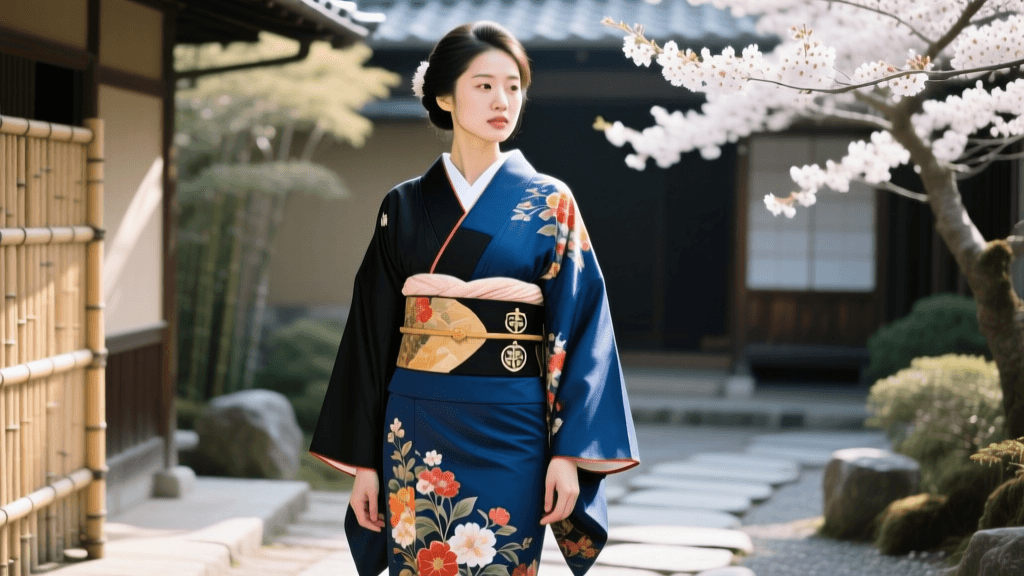
For collectors and cultural historians, a vintage kimono is far more than a garment; it is a woven archive of Japanese history, artistry, and regional identity. Whether you are safeguarding a delicate Taisho-era kurotomesode or a vibrant, hand-painted yuzen obi, the protein structure of silk demands rigorous environmental control. As we navigate 2026, the intersection of traditional Japanese textile wisdom and modern archival science has yielded unprecedented tools for collection management. The days of relying solely on cedar chests and toxic mothballs are long gone. Today’s best kimono storage preservation methods utilize smart micro-climate monitoring, advanced pH-neutral materials, and digital provenance tracking to ensure these masterpieces survive for generations.
Climate Control: The Foundation of Silk Longevity
Silk is a natural protein fiber that is highly reactive to its environment. Excessive moisture invites mold and foxing (those dreaded brown age spots), while overly dry conditions cause the fibers to become brittle and shatter along fold lines. According to the Library of Congress guidelines on textile preservation, the ideal storage environment for historic silk textiles requires a stable temperature between 65°F and 68°F (18°C–20°C) and a relative humidity (RH) of 45% to 55%.
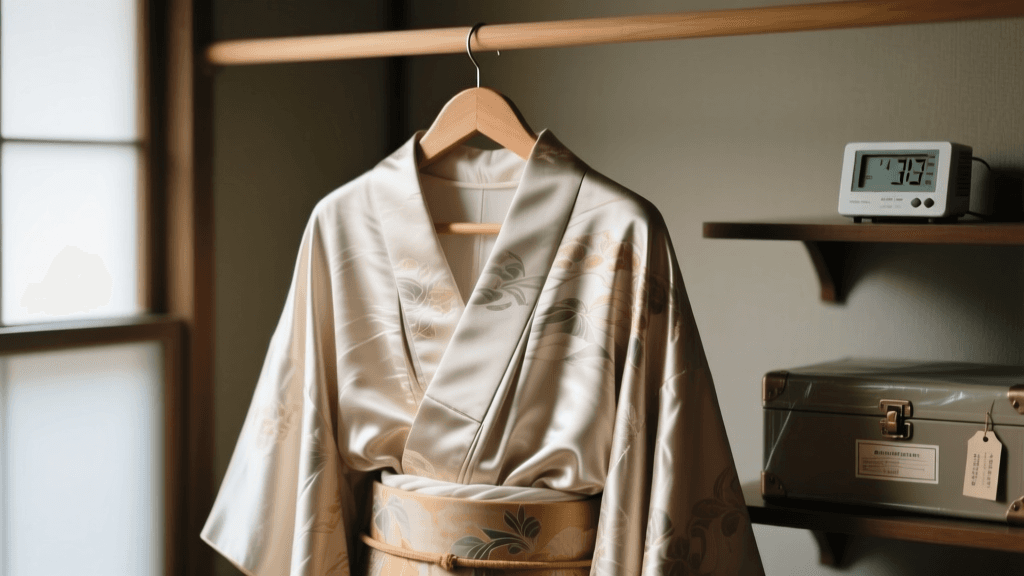
In 2026, maintaining this micro-climate is easier than ever thanks to advanced IoT (Internet of Things) sensors. Collectors are moving away from basic analog hygrometers and adopting Wi-Fi-enabled data loggers like the latest SensorPush HTP.xw or the Govee H5179 series. These devices not only track real-time fluctuations but also send instant push alerts to your smartphone if your storage room’s HVAC system fails or if seasonal humidity spikes threaten your collection. The critical rule of preservation is that stability is more important than the exact number; rapid fluctuations in RH cause silk fibers to expand and contract, leading to structural fatigue.
Archival Wrapping Materials: A 2026 Comparison
How you wrap a kimono is just as critical as the room it is stored in. Direct contact with acidic materials, such as standard cardboard boxes or wooden drawers without proper sealing, will cause silk to yellow and degrade. Below is a comparison of the primary wrapping materials utilized by museum conservators and private collectors in 2026.
| Material | Pros | Cons | Best Use Case |
|---|---|---|---|
| Acid-Free Unbuffered Tissue | pH neutral, highly breathable, inexpensive, prevents dye transfer. | Tears easily, requires replacement every 3-5 years. | Interleaving folds and padding sleeves. |
| Unbleached Cotton Muslin | Washable, durable, allows textile to breathe, traditional feel. | Can hold moisture if exposed to dampness, requires pre-washing. | Outer wrapping for individual kimono or obi. |
| Tyvek 1443R Envelopes | Water-resistant, pest-proof, chemically inert, extremely durable. | Non-breathable if heat-sealed, lacks traditional aesthetic. | Long-term transit and off-site archival storage. |
| Traditional Tatoushi (Japanese Paper) | Culturally authentic, highly breathable, beautiful presentation. | Difficult to source outside Japan, variable pH levels depending on maker. | Display, short-term storage, and active rotation pieces. |
The Art of Hon-Datami Folding and Padding
The way a kimono is folded dictates where stress will accumulate on the silk. The traditional Hon-datami folding method is specifically designed to align the seams and distribute the weight of the garment evenly. However, folding silk sharply creates micro-fractures in the fibers over time. To combat this, 2026 preservation standards dictate the use of 'padding' at every fold line.
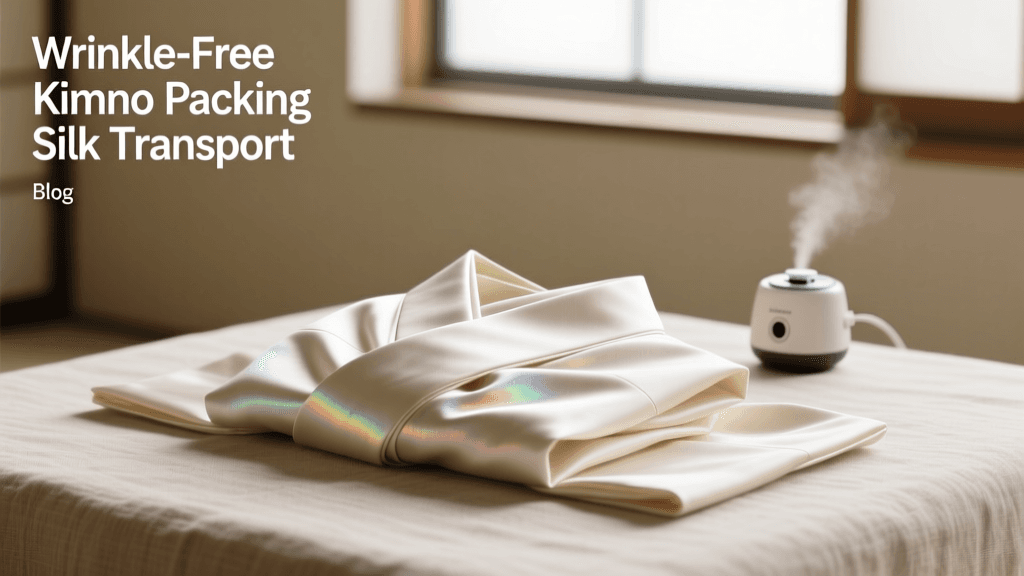
Before folding, lay the kimono flat on a clean, acid-free surface. Roll sheets of unbuffered acid-free tissue paper into soft, cigar-shaped tubes. Place these tissue rolls inside the sleeves, along the collar, and at every major fold line before executing the Hon-datami fold. This creates a gentle curve rather than a hard crease, drastically reducing the risk of shatter lines. Once folded, wrap the entire garment in a clean, pre-washed unbleached muslin cloth, tying it with flat cotton twill tape. Never use pins, as metal can rust and leave permanent stains on the silk.
Integrated Pest Management (IPM) for Protein Fibers
The most devastating threats to a kimono collection are the webbing clothes moth and the black carpet beetle. Both insects feed on keratin, the primary protein found in silk and wool. Historically, collectors relied on naphthalene or paradichlorobenzene (traditional mothballs). However, these chemicals are highly toxic, leave a persistent, noxious odor that is nearly impossible to remove from silk, and can actually melt synthetic threads or degrade metallic surihaku (gold leaf) accents.
Modern preservation relies on Integrated Pest Management (IPM). As highlighted by the Getty Conservation Institute, IPM focuses on prevention, monitoring, and non-toxic intervention. In 2026, best practices include:
- Airtight Storage: Storing wrapped kimono in food-grade, polyethylene plastic bins with gasket seals. Unlike wood, polyethylene is chemically inert and off-gasses zero harmful volatile organic compounds (VOCs).
- Silica Gel Conditioning: Using conditioned silica gel cassettes inside the bins to maintain a strict 50% RH, depriving pests of the humid environments they need to breed.
- Pheromone Monitoring: Placing non-toxic pheromone sticky traps in the perimeter of the storage room to detect the presence of male moths before an infestation can take hold.
- Cold Treatment: If an infestation is suspected, the garment is sealed in a polyethylene bag and placed in a deep freezer at -20°C for 72 hours, followed by a gradual thawing period. This safely eliminates all life stages of the pest without chemical residue.
Modernizing Mushiboshi: The Annual Airing Ritual
In Japan, the tradition of mushiboshi (literally 'bug airing') involves taking kimono out of storage to air them out, inspect them for damage, and refold them to shift the crease lines. Traditionally done in late autumn or winter when the air is dry and cool, this practice remains vital in 2026, though it has been adapted for modern climate realities.
According to the Victoria and Albert Museum's conservation resources, light exposure is a primary catalyst for silk degradation and dye fading. Therefore, the modern mushiboshi should never be done outdoors in direct sunlight. Instead, collectors should designate a clean, indoor, climate-controlled room with UV-filtered window films and dimmed, zero-UV LED lighting. Unwrap the garments, lay them flat on clean cotton sheets, and allow them to breathe for 24 to 48 hours. This is the perfect time to conduct a condition report, checking for emerging foxing, loose threads, or signs of pest activity, before refolding the kimono along slightly different lines to prevent permanent crease memory.
Digital Collection Management for the Modern Curator
As collections grow, remembering the provenance, condition, and last airing date of dozens or hundreds of garments becomes impossible through memory alone. In 2026, digital collection management is a cornerstone of serious preservation. Collectors are utilizing database software like PastPerfect, or even highly customized Notion workspaces, to catalog their archives.
A robust digital catalog should include high-resolution photographs of the entire garment, macro shots of the weave and any existing damage, provenance records, and material breakdowns. Furthermore, many advanced collectors are now utilizing passive RFID (Radio Frequency Identification) tags sewn into the muslin outer wraps (never directly into the historic silk). This allows for instant inventory scanning and automated alerts when a specific kimono has not been pulled for its annual mushiboshi inspection. By marrying the deep cultural reverence of the Edo and Meiji periods with the technological precision of 2026, collectors ensure that the vibrant threads of Asian tradition remain intact for the centuries to come.