Complete Guide to Women's Formal Kimono Types 2026
The 2026 Kimono Renaissance: Heritage Meets Modernity
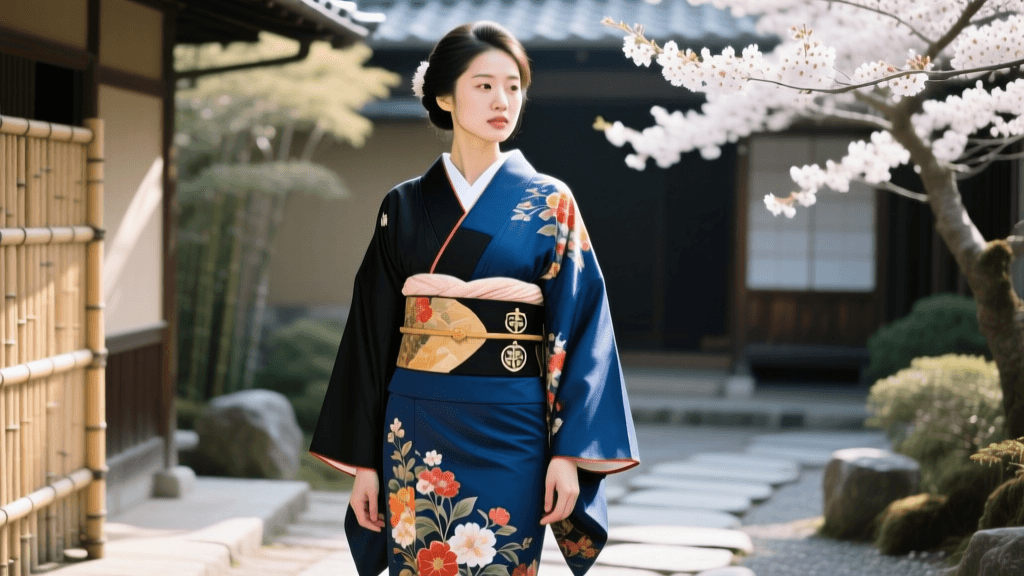
The Japanese kimono is far more than a historical artifact; it is a living, breathing garment that continues to evolve. As we navigate 2026, the kimono industry has seen a remarkable renaissance, driven by a renewed interest in sustainable fashion, artisanal craftsmanship, and the global appreciation for slow fashion. Whether you are attending a traditional tea ceremony, a wedding, or a formal graduation, understanding the strict hierarchy and intricate layering of women's formal kimono is essential. This comprehensive guide explores the definitive types of women's formal kimono, the anatomy of the ensemble, and actionable advice for sourcing and styling these magnificent garments in 2026.
The Hierarchy of Women's Formal Kimono
Japanese formal wear is governed by a complex set of rules based on the wearer's marital status, age, and the formality of the event. The formality is dictated by the garment's pattern placement, the number of family crests (kamon), and the sleeve length.
Furisode: The Pinnacle of Youthful Formality
The Furisode (swinging sleeves) is the most formal kimono for unmarried women. It is instantly recognizable by its dramatically long sleeves, which historically signaled a woman's eligibility for marriage. In 2026, Furisode remain the standard for Coming of Age Day (Seijin no Hi) and formal weddings. They are categorized by sleeve length:
- O-furisode (Large): Sleeves measuring over 114 cm. Often worn by brides as an alternative to the traditional Shiromuku.
- Chu-furisode (Medium): Sleeves measuring 100 to 114 cm. The most common and versatile choice for formal events.
- Ko-furisode (Small): Sleeves measuring 85 to 100 cm. Frequently worn for graduation ceremonies paired with a hakama.
Modern 2026 Furisode designs often incorporate sustainable, ethically sourced silk and feature bold, asymmetrical motifs that appeal to contemporary aesthetics while respecting traditional dyeing techniques like Yuzen.
Houmongi: The Versatile Visiting Wear
Translated as "visiting wear," the Houmongi is the highest rank of formal kimono that can be worn by both married and unmarried women. Its defining characteristic is the eba-moyo technique, where the pattern flows continuously across the seams of the garment, creating a unified, canvas-like picture when the kimono is opened flat. It is appropriate for weddings, tea ceremonies, and formal parties. In 2026, subtle, nature-inspired eba-moyo patterns utilizing natural plant-based dyes are highly sought after by eco-conscious consumers.
Tomesode: Married Women's Formal Attire
The Tomesode is the most formal kimono for married women. The patterns are restricted to the lower half of the garment, below the waist. There are two distinct types:
- Kuro Tomesode (Black): The absolute highest formality for married women, typically reserved for close relatives at weddings. It features five kamon (family crests) and auspicious motifs along the hem.
- Iro Tomesode (Colored): Made from colored silk rather than black. Depending on the number of crests (one, three, or five), it can range from semi-formal to highly formal and can be worn by unmarried women as well.
Tsukesage: The Elegant Semi-Formal Choice
The Tsukesage sits just below the Houmongi in formality. Unlike the continuous pattern of the Houmongi, the motifs on a Tsukesage are dyed or embroidered so that they do not cross the seams. It is an excellent, versatile choice for semi-formal gatherings, theater outings, and upscale dining in 2026.
The Anatomy of the Ensemble: A Layering Guide
Wearing a formal kimono is an architectural endeavor. The silhouette is created not by the cut of the fabric, but by the strategic padding and layering of undergarments. According to The Metropolitan Museum of Art's Heilbrunn Timeline of Art History, the structural evolution of the kimono ensemble relies heavily on these foundational layers to achieve the ideal cylindrical shape, which serves as a blank canvas for the outer silk.
| Layer | Japanese Term | Purpose | 2026 Material Trends |
|---|---|---|---|
| Under-slip | Susoyoke | Skirt-like garment to protect the outer kimono from the legs and absorb moisture. | Moisture-wicking bamboo blends. |
| Under-kimono | Hada-juban | Thin top worn directly against the skin. | Organic cotton, breathable mesh. |
| Long Under-kimono | Nagajuban | The main under-layer that dictates the collar shape and protects the expensive outer silk. | Washable synthetic silks, linen blends. |
| Collar Stiffener | Eri-shin | Inserted into the Nagajuban collar to keep it crisp and perfectly shaped. | Flexible memory-plastics. |
| Waist Cords | Koshihimo | Long, thin ties used to secure the kimono and nagajuban in place. | Elasticized silk, velvet grips. |
| Obi Board | Obi-ita | A stiff board placed under the obi to prevent wrinkling. | Lightweight carbon-fiber mesh. |
| Outer Sash | Obi | The wide, decorative belt that secures the ensemble and denotes formality. | Hand-woven Nishijin brocade. |
Obi Types and 2026 Styling Trends
The obi is the focal point of the formal kimono. For formal wear, the Fukuro Obi is the standard. Measuring roughly 30 cm in width and over 4 meters in length, it is fully patterned on the front and lined with plain silk on the back. The Maru Obi, while historically the most formal, is rarely worn today outside of bridal contexts due to its immense weight and stiffness.
In 2026, the styling of the obi knot (musubi) has seen a shift towards structured, architectural shapes for formal events, such as the Otaiko Musubi (drum knot) for married women and the Fukura Suzume (puffed sparrow) for younger women. Furthermore, high-end, pre-tied obi (tsukurobi) crafted by master artisans in Kyoto have become widely accepted, offering a flawless silhouette without the need for a professional dresser.
Sourcing, Pricing, and Sustainability in 2026
Acquiring a formal kimono is a significant investment. As of 2026, the market is distinctly divided between bespoke artisan pieces and the booming vintage recycling sector (re-kimono).
- Bespoke / New: A custom-made Houmongi or Furisode, including the obi and accessories, typically ranges from $4,500 to $12,000 USD. The Victoria and Albert Museum highlights the incredible labor intensity of traditional Yuzen dyeing, which justifies this premium pricing.
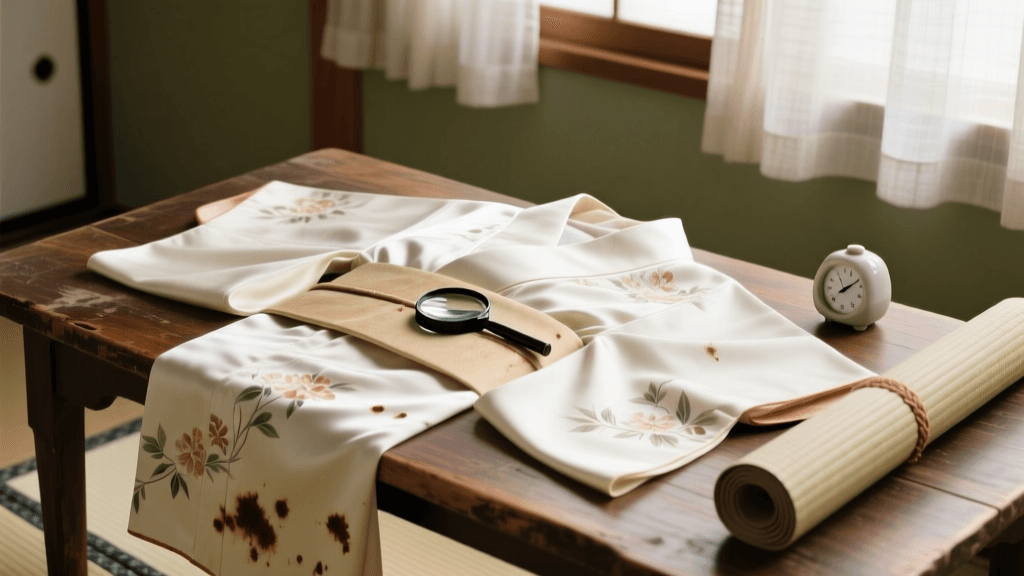
- Vintage / Recycled: The second-hand market is thriving. A high-quality, well-maintained vintage Houmongi can be sourced for $300 to $800 USD. However, buyers must carefully inspect the silk for shimi (stains) and check the sleeve width, as vintage garments often have narrower dimensions than modern standard sizes.
For travelers and enthusiasts looking to experience the creation of these garments, the Japan National Tourism Organization (JNTO) offers extensive directories for booking traditional textile workshops in Kyoto and Kanazawa, where you can observe master dyers and weavers utilizing techniques passed down through generations.
Preservation and Care for Silk Garments
Silk is a delicate protein fiber that requires meticulous care. In 2026, while traditional arai-hari (the process of un-stitching the kimono, washing the flat fabric panels, and re-sewing) is still practiced by purists, modern preservation has evolved.
For routine maintenance, specialized kimono dry cleaners utilize eco-friendly, non-toxic solvents that do not strip the silk of its natural luster. Between cleanings, formal kimono should be stored flat, folded along their designated seams, and wrapped in acid-free tatoshi paper. They must be kept in a kiri-bako (paulownia wood chest), which naturally regulates humidity and repels insects. Never store a formal silk kimono on a Western-style hanger, as the weight of the fabric will distort the shoulders and ruin the garment's structural integrity.
Conclusion
Mastering the nuances of women's formal kimono types is a journey into the heart of Japanese aesthetics and cultural philosophy. Whether you are draping a vibrant Furisode or an elegant Kuro Tomesode, understanding the hierarchy, the precise layering techniques, and the proper care protocols ensures that you honor the garment's rich history. As the kimono continues to adapt to the sensibilities of 2026, it remains a profound symbol of grace, artistry, and enduring tradition.