Silk Kimono Storage & Tatoushi Preservation Guide 2026
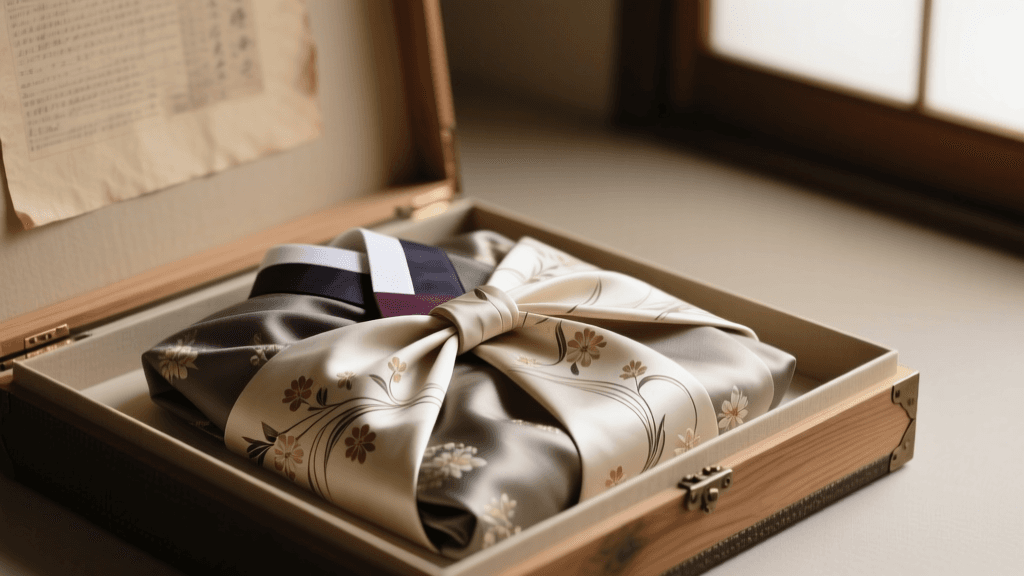
The Evolution of Asian Garment Preservation in 2026
As we navigate the textile collecting landscape in 2026, the preservation of traditional Asian garments—particularly vintage silk kimonos, delicate hanboks, and ceremonial cheongsams—has seen a significant shift toward museum-grade, accessible archival methods. Collectors and heritage enthusiasts are increasingly moving away from makeshift storage solutions that inadvertently accelerate fabric degradation. Instead, the modern standard relies on a deep understanding of protein fiber chemistry, traditional Japanese wrapping techniques known as tatoushi, and advanced micro-climate control.
Preserving these masterpieces of Asian sartorial history is not merely about keeping them clean; it is about arresting the chemical and physical processes that cause silk to shatter, yellow, and lose its structural integrity. Whether you are safeguarding a Meiji-era uchikake (wedding kimono) or a mid-century embroidered hanbok, the protocols outlined in this guide reflect the latest 2026 conservation standards adapted for private collectors and heritage institutions alike.
The Science of Silk Degradation
Silk is a natural protein fiber composed primarily of fibroin, coated in a protective gum called sericin. Unlike plant-based cellulose fibers (such as cotton or linen), protein fibers are highly sensitive to alkaline environments, excessive moisture, and ultraviolet radiation. When silk is exposed to acidic materials, the amino acid chains break down, leading to a phenomenon known as 'silk shattering,' where the fabric becomes brittle and tears under its own weight.
According to the American Institute for Conservation's Textile Wiki, the primary culprits of textile degradation in storage are fluctuating relative humidity (RH), exposure to volatile organic compounds (VOCs) off-gassing from standard cardboard or wood, and improper mechanical stress from folding. In 2026, the consensus among textile conservators is that preventative care through proper archival housing is vastly superior to attempting restorative treatments once shattering has begun.
Traditional Tatoushi vs. Modern Archival Alternatives
In Japan, kimonos have historically been stored in tatoushi (畳紙)—large, thick sheets of paper used to wrap the folded garment. Traditional tatoushi was made from high-quality mulberry washi paper, which is naturally low in lignin and relatively pH-neutral. However, not all modern commercial washi meets strict archival standards, and some contemporary manufacturing processes introduce acidic sizing agents that can migrate into silk over decades.
For 2026 preservation standards, collectors should seek out certified acid-free, unbuffered archival tissue and wrapping papers. It is critical to note the distinction between buffered and unbuffered paper. Buffered paper contains an alkaline reserve (usually calcium carbonate) designed to neutralize acids in cellulose fibers like cotton. However, this alkaline reserve is highly damaging to protein fibers like silk and wool. Always verify that your archival tissue and tatoushi alternatives are explicitly labeled as 'unbuffered' and pH-neutral (pH 7.0).
Handling Surihaku (Gold Leaf) and Heavy Embroidery
Many ceremonial kimonos and hanboks feature surihaku (gold or silver leaf application) or dense metallic embroidery. In 2026, conservation guidelines dictate that these garments must never be folded directly onto themselves without padding. The friction and pressure can cause the metallic leaf to crack, flake, or adhere to the opposite side of the fabric. When wrapping these garments, use crumpled, unbuffered acid-free tissue to create soft 'pillows' that fill the voids between folds, ensuring no direct pressure is placed on the embellished areas.
Step-by-Step Kimono Folding (Hon-Datami)
Proper folding minimizes stress on the seams and prevents permanent creases. The traditional hon-datami method is the standard for storage:
- Step 1: Lay the kimono face down on a clean, flat surface covered with a freshly washed cotton sheet or archival tissue.
- Step 2: Fold one side of the body (the left side) inward along the back seam, aligning the front edge with the center back seam.
- Step 3: Fold the right side over the left, ensuring the front edges meet perfectly.
- Step 4: Fold the sleeves back so they do not overlap the main body, preventing thick layers that cause hard creases.
- Step 5: Fold the bottom hem up to the collar, then fold the garment in half or thirds depending on its length and the size of your storage box.
- Step 6: Place unbuffered tissue paper between every major fold to prevent deep creasing and allow the silk to breathe.
Climate Control: Desiccants and Humidity Management
Silk requires a stable relative humidity (RH) of 45% to 55%. If the environment is too dry, the fibers become brittle; if too humid, mold and mildew can rapidly destroy the garment. In 2026, the use of raw silica gel is discouraged for long-term silk storage unless meticulously monitored, as it can over-desiccate the micro-environment. Instead, modern collectors rely on two-way humidity conditioning cassettes.
| Material | Purpose | 2026 Recommendation | Maintenance Cycle |
|---|---|---|---|
| Unbuffered Archival Tissue | Buffering folds & preventing creases | pH 7.0, acid-free, lignin-free | Replace every 3-5 years |
| Prosorb / Art-Sorb Cassettes | Two-way humidity control | Preconditioned to 50% RH | Check weight/indicator monthly; replace annually |
| Archival Coroplast Boxes | Primary storage enclosure | Inert polypropylene, custom-sized | Wipe down with distilled water every 2 years |
| Untreated Cedar Blocks | Natural pest deterrent | Kiln-dried, unvarnished cedar | Sand lightly every 6 months to release oils |
These conditioning cassettes utilize a specialized silica gel that releases moisture when the air is too dry and absorbs it when the air is too damp, maintaining a perfect 50% RH equilibrium inside an archival storage box.
Pest Prevention Without Toxic Chemicals
Webbing clothes moths and carpet beetles are the natural enemies of protein fibers. Historically, collectors relied on naphthalene or paradichlorobenzene (mothballs). In 2026, these chemicals are strictly avoided in professional conservation. Not only are they highly toxic to humans, but the VOCs they release can react with moisture in the air to form mild acids that stain and weaken silk. Furthermore, the strong odors can become permanently trapped in the intricate layers of a kimono.
The National Park Service Museum Handbook on Integrated Pest Management advocates for preventative, non-toxic strategies. For private collectors, this means:
- Isolation: Always quarantine newly acquired vintage garments in a sealed plastic bin for 30 days to monitor for insect activity before introducing them to your main archive.
- Anoxic Treatment: If an infestation is suspected, the safest 2026 method is anoxic treatment—sealing the garment in a specialized barrier film with oxygen absorbers for 21 days, which safely eradicates all life stages of pests without chemicals.
- Botanical Deterrents: Place unvarnished cedar blocks or dried lavender sachets in the corners of the storage box, ensuring they do not directly touch the silk, as plant oils can cause lipid stains.
Archival Enclosures and Storage Environment
The outermost layer of defense is the storage box. Standard cardboard boxes are highly acidic and will off-gas lignins that yellow silk. Wooden chests, such as traditional Japanese tansu, are beautiful but pose a risk because wood naturally emits acetic acid and peroxides. If you must use a wooden chest, the garment must be sealed inside an inert plastic bin or lined entirely with Marvelseal (an aluminum-nylon barrier film) to block acid migration.
In 2026, the gold standard for garment housing is custom-sized boxes made from archival Coroplast (corrugated polypropylene) or acid-free, lignin-free blueboard. These boxes should be stored in a dark, interior room of your home where temperature and humidity remain stable, avoiding attics, basements, and exterior walls where thermal fluctuations occur.
Display and Lighting Considerations
When it is time to display your preserved kimonos or hanboks, light damage must be mitigated. Ultraviolet and high-intensity visible light cause irreversible fading of natural dyes (such as safflower red and indigo) and weaken the silk polymer. The Metropolitan Museum of Art's Textile Conservation Department recommends that light-sensitive textiles be displayed under strict lighting protocols.
Use LED lighting with zero UV emission, and keep the illumination level below 50 lux. Never display a vintage silk garment in direct sunlight or near windows without UV-filtering films applied to the glass. Additionally, limit the display duration to three to six months before returning the garment to dark storage, allowing the fibers to 'rest' from the stress of gravity and light exposure.
Conclusion: A Commitment to Heritage
Preserving traditional Asian garments is an act of cultural stewardship. By adopting the 2026 standards of unbuffered tatoushi wrapping, precise humidity conditioning, and non-toxic pest management, collectors ensure that these intricate textiles survive for future generations. The investment in museum-grade archival materials is a fraction of the cost of professional textile restoration, making preventative care the most vital tool in any collector's arsenal. Treat your silk kimonos and hanboks with the scientific respect they deserve, and they will continue to tell their vibrant cultural stories for centuries to come.