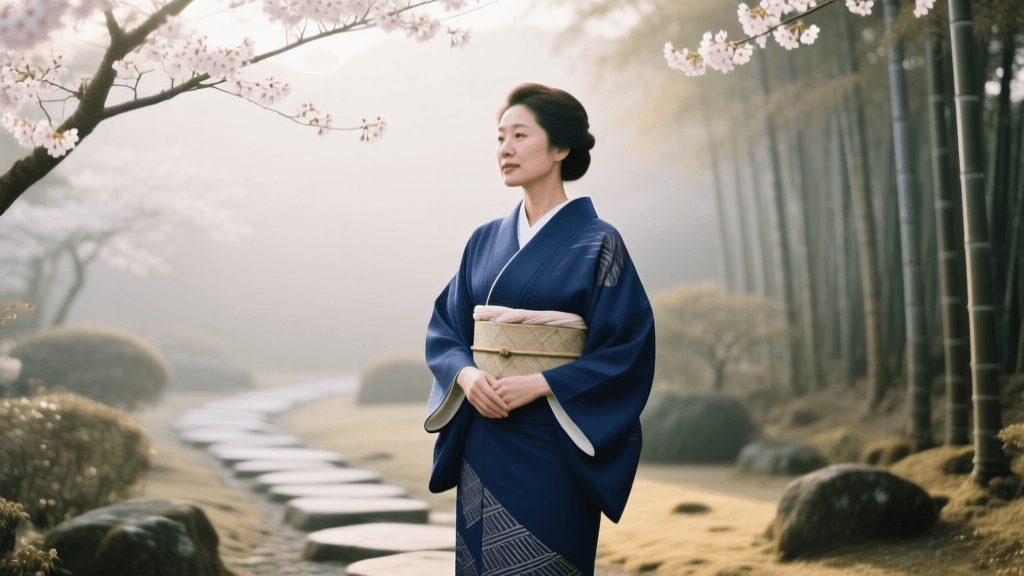
Mindful Kimono Kitsuke: Slow Fashion Wellness Rituals 2026

The Intersection of Heritage Textiles and Mental Health in 2026
As we navigate the wellness landscape of 2026, the global wellness economy has seen a massive pivot toward 'somatic slowing'—the practice of using deliberate, tactile physical movements to regulate the nervous system. Amidst a sea of digital noise and hyper-fast consumerism, an ancient Japanese practice is experiencing a profound renaissance not merely as a cultural artifact, but as a powerful tool for mental wellbeing. This practice is kitsuke, the traditional art of dressing in a kimono.
Far from being a rigid or outdated set of rules, modern wellness practitioners and slow fashion advocates are embracing kitsuke as a form of moving meditation. The deliberate pacing, the tactile sensation of natural fibers, and the deep focus required to align the garment's seams create a sanctuary of mindfulness. In 2026, digital detox retreats in Nara and Kamakura frequently feature 90-minute mindful kitsuke workshops, recognizing that the act of wrapping oneself in centuries of woven history offers a unique pathway to grounding and inner peace.
The Philosophy of Kitsuke as Moving Meditation
According to foundational definitions provided by Mindful.org, mindfulness is the basic human ability to be fully present, aware of where we are and what we are doing, and not overly reactive or overwhelmed by what is going on around us. Kitsuke naturally enforces this state. Unlike modern Western clothing, which relies on elastic, zippers, and buttons for instant gratification, the kimono is essentially a series of flat, rectangular fabrics that must be sculpted onto the three-dimensional human body using only tension, folds, and ties.
There are no shortcuts in kitsuke. You cannot rush the alignment of the eri (collar) or the precise folding of the ohashori (the waist fold that allows the kimono to be adjusted to the wearer's exact height). This inherent friction forces the wearer to slow down. The mind cannot wander to the day's anxieties when it must calculate the exact tension of a koshihimo (waist tie) to ensure the garment sits comfortably without restricting breath. This intense, localized focus acts as a neurological circuit breaker, pulling the brain out of default-mode rumination and into the present physical reality.
Slow Fashion and the Sustainable Kimono Wardrobe
The mindful practice of kitsuke is inextricably linked to the slow fashion movement. In 2026, the environmental toll of microplastics and textile waste is a primary concern for eco-conscious consumers. The kimono represents the ultimate circular fashion model. Because of its straight-seam construction, a kimono can be entirely taken apart, washed, re-dyed, and resewn into a new garment—a practice known as arakai.
Building a mindful kimono wardrobe today rarely involves purchasing brand-new, mass-produced garments. Instead, practitioners curate vintage and secondhand silk, cotton, and hemp pieces. The Metropolitan Museum of Art notes that the historical construction of the kimono was inherently designed for longevity, recycling, and multi-generational use. In 2026, a high-quality vintage silk komon (everyday patterned kimono) can be sourced from curated online archives in Kyoto or specialized vintage markets in Tokyo for between $120 and $250 USD. By choosing to wear and care for vintage textiles, practitioners engage in an act of environmental stewardship, honoring the resources and artisan labor that went into creating the fabric decades or even a century ago.
Step-by-Step Mindful Dressing Ritual
To transform your daily or weekly dressing routine into a wellness ritual, approach each step with intentionality. Set aside at least 30 minutes in a quiet, uncluttered space, preferably on a tatami mat or a clean wooden floor.
1. Grounding with the Juban (Undergarment)
Begin with three deep, diaphragmatic breaths. Hold the nagajuban (under-kimono) and feel the texture of the fabric. Slide your arms through the sleeves, paying attention to the sensation of the fabric gliding over your skin. Tie the first koshihimo just below the bust. The tension should be firm but forgiving—this is your first physical boundary, a gentle embrace that signals to your nervous system that you are contained and safe.
2. Wrapping the Kimono and Adjusting the Ohashori
Drape the main kimono over the nagajuban. The golden rule of kitsuke is 'left over right' (right side wraps first, left side crosses over). As you pull the left side across your body, align the back seam perfectly with the center of your spine. This alignment promotes physical posture and mental uprightness. Next, gather the excess fabric at the waist to create the ohashori. Smoothing out this fold requires patience; use your thumbs to press the fabric flat against your hips, feeling the weight and drape of the silk chirimen (crepe) or summer ro (gauze).
3. Tying the Obi with Intention
The obi (sash) is the anchor of the garment. For a mindful practice, the taiko musubi (drum knot) or a simple bunko musubi (bow knot) for casual yukata is ideal. As you wind the obi around your waist, synchronize your breathing with the wrapping motion. Exhale as you pull the fabric taut. The final tightening of the obijime (decorative cord) is the seal of the practice—a moment to acknowledge the completion of the ritual and the armor of beauty you have constructed for yourself.
Garment Care as a Meditative Practice
The wellness benefits of the kimono extend far beyond the act of wearing it; they are deeply embedded in its maintenance. In an era where clothing is often treated as disposable, the meticulous care required for silk kimono fosters a profound sense of gratitude and attachment to our possessions.
- Mushiboshi (Airing Out): Twice a year, typically in the dry, crisp days of late autumn or early spring, practitioners engage in mushiboshi. This involves hanging the kimono on specialized bamboo poles in the shade to air out moisture and prevent mold. The act of gently brushing the silk and inspecting the intricate dyed patterns is a visual meditation, a time to reflect on the seasons passing.
- Tato (Folding): Kimono are never hung on hangers, which would distort the straight seams. They are folded into precise, flat rectangles and stored in tatoushi (paper or cloth envelopes). The geometric precision required to fold a kimono correctly engages the brain's spatial reasoning centers, offering a satisfying, puzzle-like cognitive engagement that wards off mental fatigue.
Comparing the Dressing Experience
To understand the paradigm shift that kitsuke offers to modern wellness, it is helpful to contrast it with the contemporary fast-fashion dressing experience.
| Element | Fast Fashion Dressing (2026 Norm) | Mindful Kimono Kitsuke |
|---|---|---|
| Time Investment | 2 to 5 minutes; often rushed while multitasking. | 20 to 40 minutes; dedicated, uninterrupted time. |
| Mental State | Automatic, distracted, focused on the day's to-do list. | Present, focused, somatic awareness of breath and posture. |
| Tactile Experience | Synthetic blends, elastic bands, restrictive cuts. | Natural silk, hemp, cotton; flat seams, adjustable tension. |
| Environmental Impact | High carbon footprint, microplastic shedding, landfill waste. | Circular economy, vintage curation, biodegradable fibers. |
| Emotional Outcome | Utility, fleeting trend satisfaction, potential decision fatigue. | Grounding, cultural connection, sustained emotional resilience. |
Embracing the Slow Wardrobe
The integration of kimono kitsuke into a modern wellness routine is not about achieving historical perfection or adhering to rigid societal expectations. In 2026, the global community of kimono enthusiasts is redefining the practice to suit their personal wellbeing needs. Whether you are tying a casual cotton yukata on a warm summer evening to decompress after work, or spending a quiet Sunday morning folding vintage silk, the garment serves as a bridge between the physical body and the quiet mind.
By choosing to engage with traditional Asian garments through the lens of mindfulness and slow fashion, we do more than preserve a beautiful cultural heritage. We reclaim our time, our attention, and our relationship with the material world, wrapping ourselves in a legacy of intentionality that nourishes the soul long after the obi is untied.