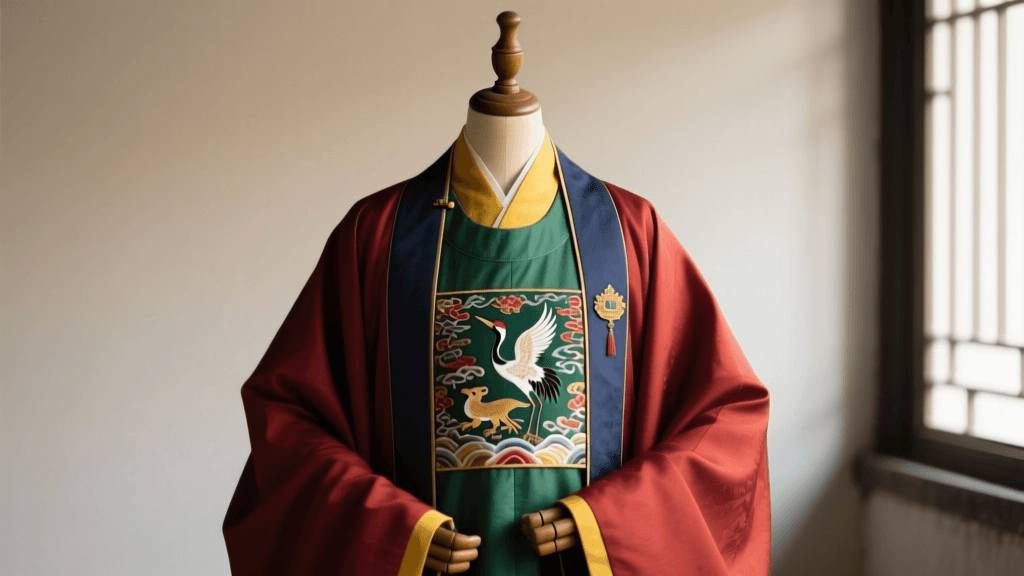
Chinese Indigo & Madder: 2026 Zero-Waste Hanfu Dyeing Guide
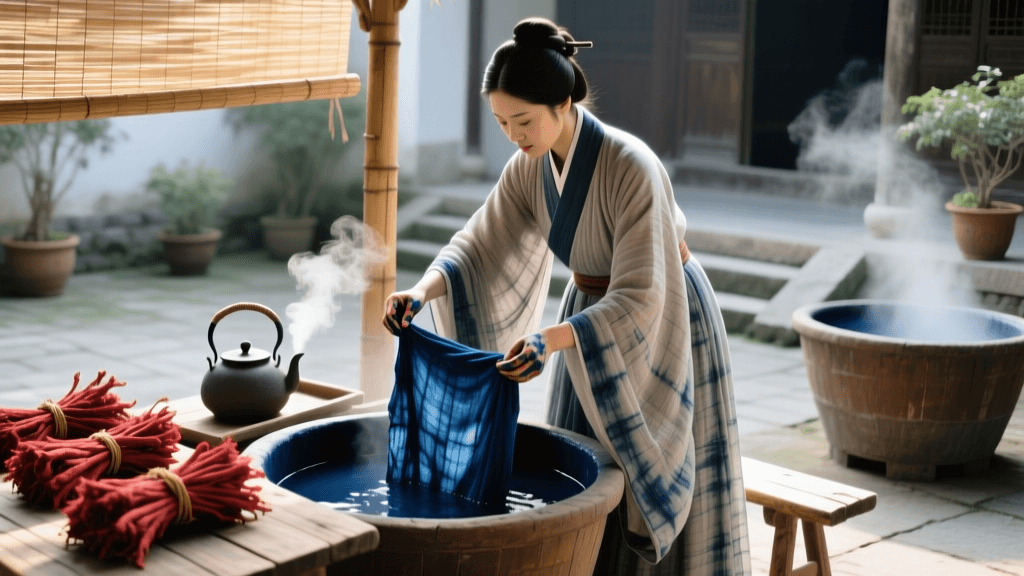
The 2026 Resurgence of Caosen (Plant Dyeing)
As we move through 2026, the global Hanfu movement has evolved far beyond mere aesthetic appreciation; it has become a vanguard for sustainable fashion. Enthusiasts and designers alike are increasingly rejecting petroleum-based synthetic dyes in favor of Caosen (草木染), the ancient Chinese art of plant dyeing. This shift is not just about honoring tradition—it is a critical response to the environmental toll of modern textile production. According to the Ellen MacArthur Foundation's circular textiles framework, the fashion industry is responsible for roughly 10% of global carbon emissions and massive water pollution, largely due to synthetic dye runoff. By returning to botanical pigments, today’s makers are closing the loop, creating garments that are as kind to the earth as they are beautiful.
This comprehensive guide focuses on two foundational pillars of Chinese natural dyeing: Dianlan (fermented indigo paste) and Qiancao (madder root). Whether you are dyeing a flowing silk Beizi (jacket) or a structured ramie Mamianqun (pleated skirt), mastering these eco-friendly techniques will elevate your traditional garment creation in 2026.
Sourcing Authentic Dianlan and Qiancao
The quality of your dye is entirely dependent on the quality of your raw materials. In 2026, the supply chain for authentic, organically grown Chinese dye plants has matured significantly, allowing home dyers and boutique studios to source directly from heritage farming cooperatives.
Dianlan (Chinese Indigo Paste)
Unlike synthetic indigo or pre-reduced indigo crystals, traditional Dianlan is made by fermenting fresh leaves of the Persicaria tinctoria (Japanese knotweed/indigo) plant with lime and rice wine. As of 2026, certified organic Dianlan paste from Guizhou and Yunnan provinces costs approximately $45 to $60 per kilogram. Look for paste that is dark, glossy, and smells faintly of earth and fermented fruit. Avoid pastes that smell sharply of ammonia or chemicals, as these indicate the use of synthetic reducing agents.
Qiancao (Madder Root)
Rubia cordifolia, known in Traditional Chinese Medicine and dyeing as Qiancao, yields stunning crimson, terracotta, and coral hues. Sourced primarily from the loess plateaus of Shaanxi, high-grade, sun-dried madder root costs around $30 per kilogram in 2026. When purchasing, ensure the roots are aged for at least two years; aged roots contain higher concentrations of alizarin, the primary red pigment compound.
Modern Eco-Mordants vs. Traditional Binders
Historically, Chinese dyers relied on alum (potassium aluminum sulfate) and iron-rich mud to fix dyes to fibers. While alum is relatively safe, modern eco-conscious dyers in 2026 are exploring bio-mordants and protein binders to further reduce heavy metal usage.
- Soy Milk Binder (For Silk and Hemp): The proteins in soy milk bind exceptionally well to cellulose and silk fibers, creating a receptive surface for indigo. Use a ratio of 1 cup of pure, unsweetened soy milk to 1 gallon of distilled water. Soak your fabric for 12 hours, then air dry without rinsing.
- Bio-Tannin Mordant (For Ramie and Cotton): Gallnuts (Wubeizi) or pomegranate rinds provide a rich tannin base. Simmer 50g of crushed gallnuts in 5 liters of water for an hour, strain, and soak your cellulose fibers for 24 hours. This prepares the fiber for a subsequent eco-alum bath, ensuring deep, wash-fast colors.
Step-by-Step: Building a Zero-Waste Fructose Indigo Vat
The traditional indigo vat can be temperamental and often relies on toxic hydrosulfite for reduction. In 2026, the fructose vat (often called the 1-2-3 vat) is the gold standard for home and studio dyers due to its non-toxic profile and reliability.
The Recipe (For a 10-Liter Vat)
- Water: Fill a stainless steel or food-grade plastic bucket with 10 liters of warm water heated to exactly 50°C (122°F).
- Fructose: Add 300g of fructose powder (or henna powder as an alternative organic reducer). Stir gently to dissolve. This acts as the reducing agent, stripping oxygen from the indigo.
- Calcium Hydroxide: Add 200g of slaked lime (calcium hydroxide). This raises the alkalinity. Stir gently.
- Indigo Paste: Add 100g of your Dianlan paste. Stir thoroughly, then cover the bucket tightly.
Let the vat rest for 24 hours. When you open it, you should see a coppery, metallic scum on the surface (the "flower" of the indigo) and the liquid beneath should be a clear, yellowish-green. Use a digital pH meter to check the alkalinity; the ideal pH for a 2026 fructose vat is between 11.0 and 11.5. If it is too low, add a teaspoon of slaked lime. If it is too high, add a pinch of fructose.
Dyeing Process: Wet your pre-mordanted Hanfu fabric, squeeze out excess water, and submerge it gently into the vat. Avoid splashing, as introducing oxygen will prematurely oxidize the indigo. Leave it for 10 minutes, then remove it. As the fabric hits the air, it will magically shift from yellow-green to deep blue. Repeat this process 4 to 6 times for a rich, dark navy.
Extracting Crimson: The Madder Root (Qiancao) Method
While indigo requires a chemical reduction, madder root relies on temperature-controlled extraction. The historical knowledge of Chinese dyeing, as documented in resources like the Metropolitan Museum of Art's guide on historical natural dyes, highlights the delicate balance required to extract pure reds without pulling out the brown tannins also present in the root.
The Extraction Process
- Preparation: Grind 100g of dried Qiancao root into a coarse powder using a dedicated spice grinder.
- First Bath (The Yellow Pull): Place the powder in a muslin bag and submerge it in 10 liters of water. Heat the water to 40°C (104°F) and hold it there for 30 minutes. This first bath pulls out the yellow and brown pigments. Discard this water (or use it to dye a base layer for a mustard yellow garment).
- Second Bath (The Crimson Pull): Refill the pot with 10 liters of fresh water and add the same muslin bag. Heat the water to exactly 65°C (149°F). Never let it boil. Boiling releases the brown alizarin compounds and ruins the vibrant red. Hold at 65°C for 90 minutes.
- Dyeing: Add your alum-mordanted silk or cotton Hanfu fabric to the 65°C bath. Simmer gently for one hour, then turn off the heat and let the fabric cool in the bath overnight for maximum saturation.
Comparative Data: Indigo vs. Madder Root (2026 Standards)
Understanding the chemical and practical differences between these two plants is crucial for planning your dyeing schedule and budget.
| Feature | Dianlan (Chinese Indigo) | Qiancao (Madder Root) |
|---|---|---|
| Botanical Name | Persicaria tinctoria | Rubia cordifolia |
| Target Color | Deep Navy / Cerulean | Crimson / Terracotta |
| Optimal Temp | 50°C (122°F) | 65°C (149°F) |
| Ideal pH Level | 11.0 - 11.5 (Alkaline) | 6.0 - 7.0 (Neutral) |
| Mordant Required | No (Vat dye, binds via oxidation) | Yes (Alum or Bio-Tannin + Alum) |
| 2026 Avg Cost | $45 - $60 per kg (Paste) | $30 per kg (Dried Root) |
| Yield per 100g | ~500g of silk (medium depth) | ~100g of silk (deep crimson) |
Troubleshooting Common 2026 Dyeing Issues
Even with precise digital thermometers and pH meters, natural dyeing is an organic process subject to environmental variables.
- Indigo Vat Smells Rotten: Your vat has likely gone anaerobic and the pH has dropped. Gently stir in 50g of slaked lime and 20g of fructose. Let it rest for 24 hours. The sweet, earthy smell should return.
- Madder Dye is Brown/Muddy: You exceeded the 65°C threshold, or you failed to discard the first (yellow) extraction bath. Unfortunately, once the brown tannins bind to the silk, they cannot be removed without stripping the fabric entirely.
- Uneven Dyeing on Ramie: Ramie is highly resistant to water penetration. Ensure you have scoured the fabric with soda ash (sodium carbonate) at a rolling boil for two hours prior to mordanting to remove the natural plant waxes.
Closing the Loop: Zero-Waste Dye Disposal
True sustainability in 2026 means taking responsibility for the end-of-life of your dye materials. Synthetic dye disposal requires expensive chemical neutralization, but Caosen allows for complete biological integration.
Composting the Exhaust: After extracting all possible pigment from your madder root, the spent root powder is rich in nitrogen and organic matter. Spread it out on a drying rack, let it dry completely to prevent mold, and then mix it directly into your garden compost bin. It acts as a fantastic slow-release fertilizer for leafy greens.
Neutralizing the Indigo Vat: When your indigo vat is finally exhausted (usually after several months of heavy use), do not pour the highly alkaline liquid down the drain. Slowly add white vinegar to the vat while stirring, monitoring the pH until it reaches a neutral 7.0. The liquid will turn a muddy blue. You can safely pour this neutralized water onto acid-loving plants like azaleas or blueberries, and the blue sludge at the bottom can be dried and added to your compost as a calcium-rich soil amendment.
By embracing these zero-waste methodologies, modern Hanfu makers are proving that the most advanced sustainable fashion practices of 2026 are actually rooted in the ancient, ecological wisdom of traditional Chinese artisans. Through Caosen, we do not just wear history; we actively participate in the healing of our environment.