Authentic Xiangyunsha vs Habutai Silk for Hanfu & Kimono 2026
The 2026 Renaissance of Heritage Asian Textiles
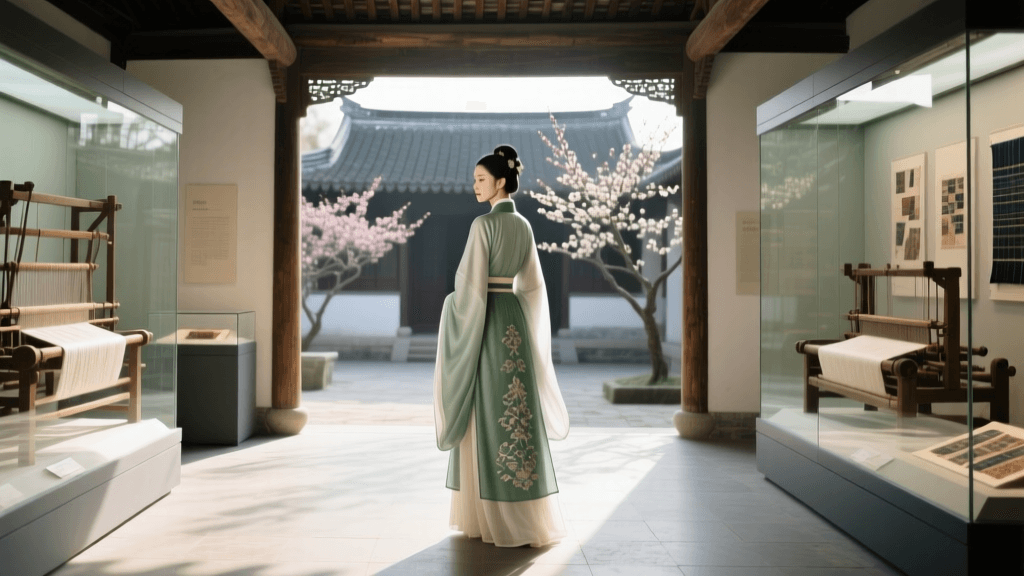
In 2026, the global appreciation for traditional Asian garments has evolved from niche historical reenactment to a mainstream pillar of sustainable, heritage-focused fashion. Enthusiasts and designers alike are moving beyond mass-produced polyester blends, seeking out authentic, historically accurate textiles that honor centuries of craftsmanship. When constructing or commissioning premium traditional garments—such as the flowing layers of a Chinese Hanfu or the structured elegance of a Japanese Kimono—the choice of fabric dictates not only the garment's drape and silhouette but also its longevity and cultural authenticity.
Two of the most highly sought-after silks in the 2026 market are Xiangyunsha (Gambiered Canton Gauze) and Habutai (Pongee). While both are derived from the noble mulberry silkworm, their weaving techniques, finishing processes, and ideal applications are vastly different. Understanding these nuances is critical for anyone looking to invest in high-end traditional wear this year.
Xiangyunsha (Gambiered Canton Gauze): The "Soft Gold" of the South
Xiangyunsha, often referred to as "soft gold," is a highly specialized silk textile originating from the Shunde district of Guangdong, China. Its creation is a labor-intensive process that relies on a unique chemical reaction between the tannins of the Dioscorea cirrhosa (shouliang) tuber juice and the iron-rich mud of the Pearl River Delta. Recognized for its profound cultural significance, the broader sericulture and silk craftsmanship of China is immortalized on the UNESCO Intangible Cultural Heritage list, underscoring the importance of preserving these ancient techniques.
Characteristics and Drape: Xiangyunsha is renowned for its crisp, slightly stiff hand-feel and its distinctive dual-tone appearance. The front typically boasts a deep, lustrous black or dark brown, while the reverse side reveals a matte, earthy terracotta hue. The fabric is naturally water-resistant, highly breathable, and possesses a subtle, papery rustle when worn.
Ideal Garment Applications: In 2026, Xiangyunsha is the premier choice for structured Ming Dynasty-style Hanfu, particularly the Mamianqun (horse-face skirt) and the Pifeng (outer cloak). Its stiffness allows the deep pleats of the Mamianqun to hold their architectural shape without the need for heavy synthetic interfacings. Furthermore, its cooling properties make it exceptionally popular for luxury summer wear in humid climates.
2026 Market Pricing: Due to the shrinking number of master dyers and the strict geographical requirements for the river mud, authentic Shunde Xiangyunsha commands a premium. In 2026, expect to pay between $120 and $180 USD per meter for genuine, hand-dyed Xiangyunsha (typically 114 cm in width).
Habutai (Pongee): The Classic Japanese Silk
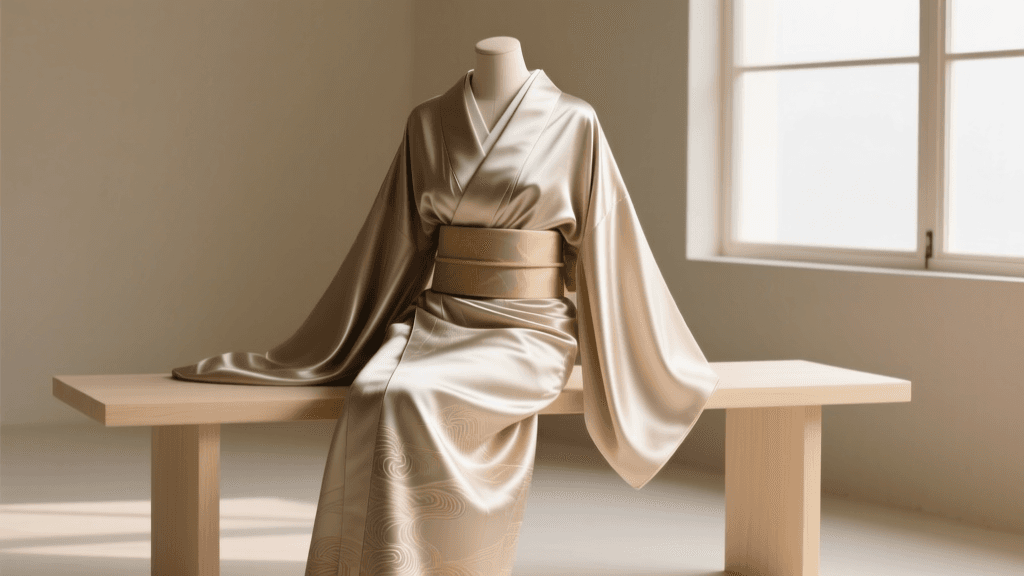
Habutai, historically known as Pongee, is a plain-weave silk that has been a cornerstone of Japanese textile production for centuries. Unlike the heavily processed and mud-dyed Xiangyunsha, Habutai is celebrated for its pure, unadulterated silk luster and fluid, liquid-like drape. The Victoria and Albert Museum's textile archives frequently highlight plain-weave silks like Habutai as the foundational canvas for Japan's most exquisite dyeing traditions, including Yuzen and Shibori.
Characteristics and Drape: Habutai is exceptionally soft, lightweight, and smooth. It lacks the crispness of Xiangyunsha, offering instead a gentle, flowing movement that catches the light beautifully. It is highly receptive to dyes, making it the preferred base for vibrant, intricate patterns.
Ideal Garment Applications: Habutai is incredibly versatile. In traditional Japanese dress, it is the gold standard for Kimono linings (the ura-ji), as its smooth texture prevents friction against the outer layers. For Hanfu, lighter weights of Habutai are ideal for inner garments, summer Ruqun tops, and delicate flowing sleeves. According to the Metropolitan Museum of Art's Heilbrunn Timeline of Art History, the mastery of plain silk weaves allowed ancient artisans to create garments that were both luxurious and functional.
Understanding Momme Weight: When sourcing Habutai in 2026, you must pay attention to the "momme" (mm) weight. An 8mm Habutai is sheer and delicate, perfect for linings or scarves. A 16mm Habutai offers a luxurious, opaque drape suitable for outer Hanfu layers or unlined summer Kimono (Yukata-style). Expect to pay between $25 and $60 USD per meter, depending on the momme weight and whether it is machine-woven or hand-loomed.
Fabric Comparison Chart: Xiangyunsha vs. Habutai
| Feature | Xiangyunsha (Gambiered Gauze) | Habutai (Pongee) |
|---|---|---|
| Weave & Finish | Plain weave, mud and tuber juice dyed | Plain weave, degummed, undyed or printed |
| Hand-Feel & Drape | Crisp, structured, papery, stiff drape | Soft, smooth, fluid, liquid drape |
| Best Garment Use | Ming Hanfu, Mamianqun, structured cloaks | Kimono linings, Hanfu inner layers, summer tops |
| Breathability | Exceptional (ideal for humid summers) | High (lightweight and airy) |
| 2026 Avg. Price | $120 - $180 USD / meter | $25 - $60 USD / meter |
| Care Level | Moderate (spot clean or gentle hand wash) | High (requires strict pH-neutral washing) |
How to Authenticate and Source in 2026
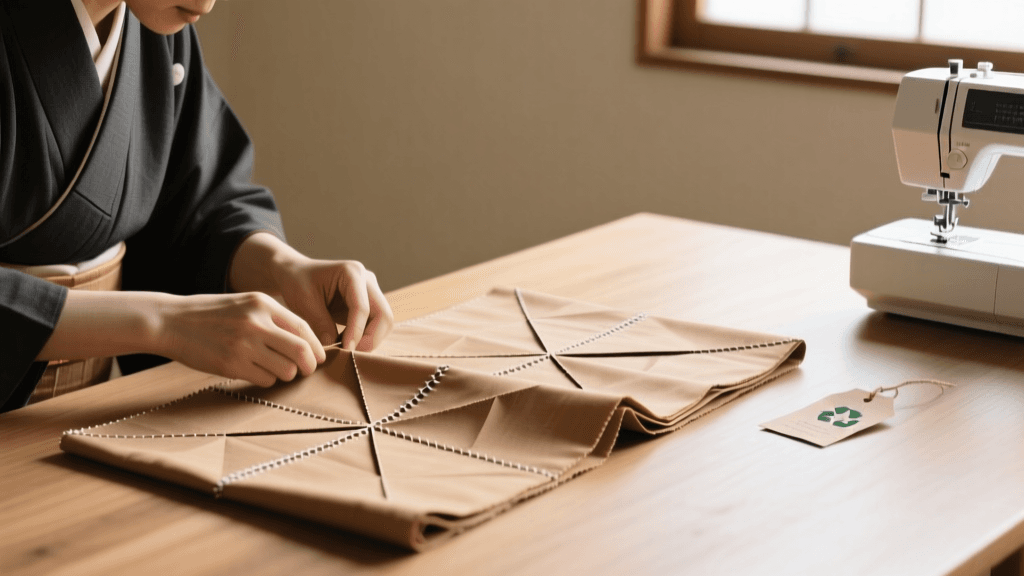
As the demand for heritage textiles has surged in 2026, so too has the market for synthetic imitations. Polyester blends coated with chemical dyes are frequently marketed as Xiangyunsha to unsuspecting buyers. To ensure you are purchasing authentic silk, always perform a burn test on a swatch: genuine silk will burn slowly, smell like singed hair, and leave a crushable black ash, whereas polyester will melt, smell of plastic, and form a hard bead.
For Xiangyunsha specifically, authentication involves the "water drop test." Because of the river mud coating, authentic Xiangyunsha has a natural, subtle water resistance. A drop of water on the black side should bead up slightly before slowly absorbing, whereas water will instantly soak into standard dyed silk or polyester blends. Furthermore, authentic Xiangyunsha will have a distinct, earthy scent reminiscent of damp soil and sweet potatoes, which fades slightly over time but never completely disappears.
When sourcing Habutai, look for reputable suppliers who specify the exact momme weight and provide certification of the silk's origin. In 2026, blockchain-tracked supply chains have become more common, allowing buyers to trace their silk from specific sericulture farms in Zhejiang or Kyoto Prefecture, ensuring ethical labor practices and environmental sustainability.
Garment Care and Maintenance for 2026
Proper care is essential to preserve the structural integrity and luster of these premium textiles. Both Xiangyunsha and Habutai are protein-based fibers that are highly sensitive to alkaline substances and high heat.
Washing: Never use standard laundry detergents, which are typically alkaline and will strip the silk of its natural sericin, leading to brittleness. In 2026, specialized pH-neutral silk washes (pH 5.5 to 7.0) are widely available and highly recommended. Hand wash in cool water (below 30°C or 86°F) for no more than three minutes. Do not wring or twist the fabric; instead, roll it in a clean, dry cotton towel to gently press out excess moisture.
Drying and Ironing: Always air-dry silk in the shade. Direct sunlight will cause Habutai to yellow and will degrade the mud-dye bonds in Xiangyunsha. When ironing, use the lowest heat setting and always place a cotton pressing cloth between the iron and the silk. For Xiangyunsha, steam is generally discouraged as it can alter the crisp hand-feel; a dry iron on low is preferable.
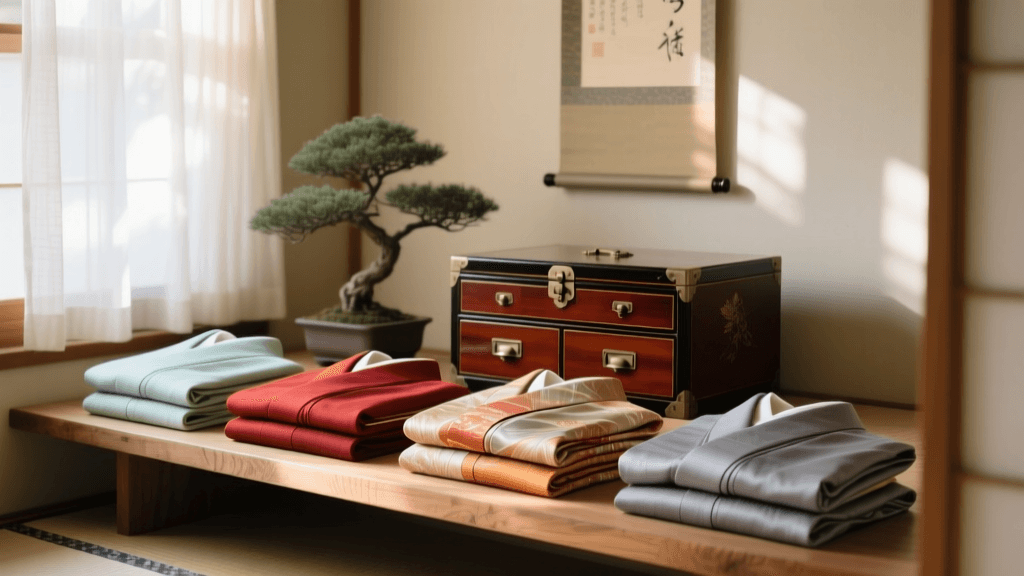
Storage: Store your finished Hanfu and Kimono in a cool, dark, and well-ventilated space. Avoid plastic garment bags, which trap moisture and encourage mildew. Instead, wrap your garments in acid-free tissue paper or unbleached cotton muslin. Incorporate natural cedar blocks or lavender sachets into your storage drawers to deter moths and silverfish, ensuring your heritage garments remain pristine for decades to come.
Conclusion
Choosing between Xiangyunsha and Habutai silk is not a matter of one being superior to the other, but rather understanding which textile best serves the architectural and aesthetic needs of your specific garment. Xiangyunsha offers unparalleled structure, historical gravitas, and summer breathability for outerwear, while Habutai provides the essential softness, drape, and dye-receptivity required for linings and flowing inner layers. By investing in authentic, responsibly sourced fabrics and adhering to meticulous care routines, you ensure that your traditional Asian garments will remain vibrant, functional, and culturally resonant throughout 2026 and beyond.