Zen Kimono Dressing: Mindful Kitsuke Meditation Guide 2026
The Intersection of Zen Spirituality and Traditional Garments
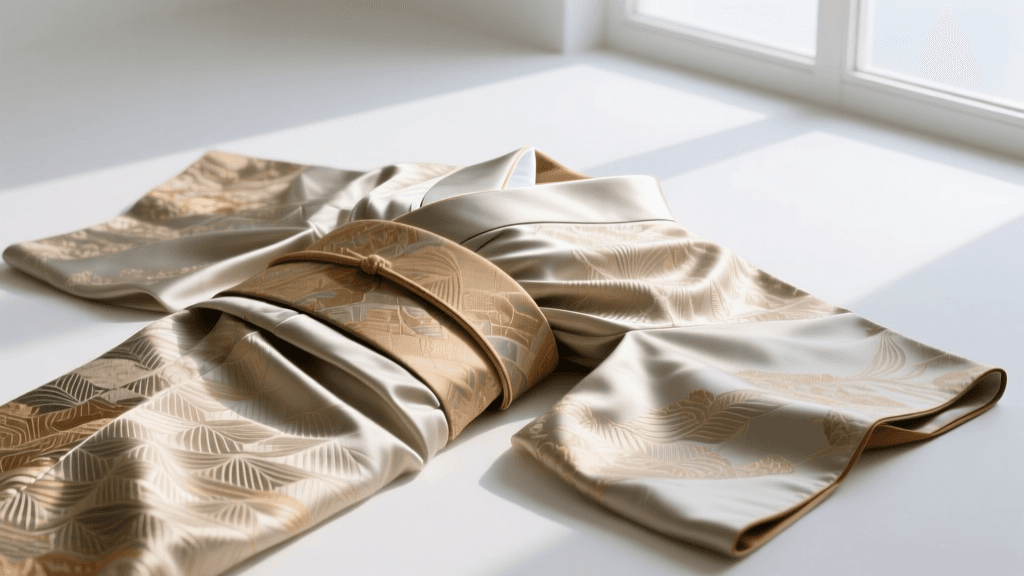
In the rapidly evolving digital landscape of 2026, the ancient Japanese art of kitsuke (kimono dressing) is experiencing a profound renaissance, not merely as a fashion statement, but as a moving meditation. For practitioners of Zen Buddhism and modern mindfulness enthusiasts alike, the act of wrapping oneself in traditional Asian garments offers a tactile, grounding bridge between the physical body and the spiritual mind. Unlike the hurried nature of modern fast fashion, mindful kitsuke demands presence, patience, and a deep connection to the sensory experience of textiles.
Zen philosophy emphasizes the concept of ichigo ichie (one time, one meeting) and the pursuit of mindfulness in everyday actions. When applied to traditional Japanese clothing, the meticulous folding, aligning, and tying of the garment transforms a mundane morning routine into a sacred ritual. According to the extensive textile archives at the Victoria and Albert Museum, the structural geometry of the kimono is uniquely designed to create a harmonious silhouette that respects the natural lines of the human body, encouraging an upright, dignified posture essential for deep meditation.
Choosing the Right Garment for Meditation in 2026
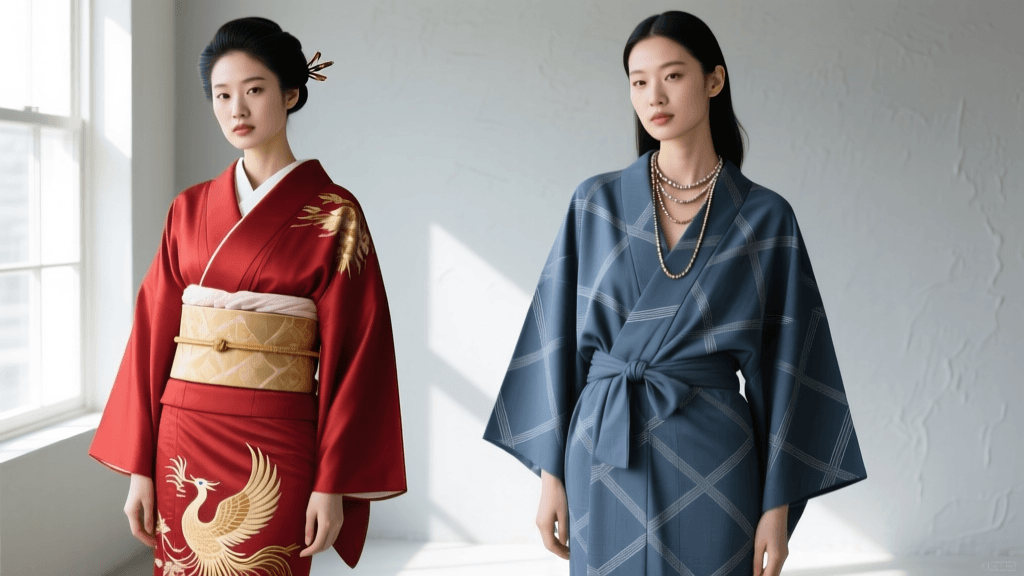
Selecting the appropriate garment is the first step in mindful dressing. While the formal silk kimono is a masterpiece of Japanese heritage, it is not always practical for seated Zazen (Zen meditation). In 2026, the slow-fashion movement has popularized sustainable, breathable textiles specifically woven for spiritual practice. Below is a comparison of the most suitable traditional garments for meditation and mindful movement.
| Garment Type | Primary Fabric | Best Used For | 2026 Est. Cost (USD) |
|---|---|---|---|
| Samue | Organic Cotton / Hemp | Active Zazen, temple work, deep breathwork | $85 - $140 |
| Yukata | Lightweight Summer Cotton | Evening meditation, walking meditation (Kinhin) | $60 - $110 |
| Komon | Upcycled Silk / Tencel Blends | Formal tea ceremonies, mindful kitsuke practice | $150 - $300 |
| Jinbei | Waffle-weave Linen | Summer morning breathwork, casual grounding | $45 - $80 |
For those dedicating themselves to daily Zazen, the Samue remains the gold standard in 2026. Originally designed as workwear for Zen monks, its two-piece construction allows for unrestricted diaphragmatic breathing while maintaining a neat, respectful appearance. Modern eco-conscious weavers in Kyoto and Fukui prefectures are now producing Samue using organically dyed hemp, offering superior temperature regulation during long meditation sittings.
The 5-Step Mindful Dressing (Kitsuke) Ritual
To transform your dressing routine into a meditative practice, you must slow down and synchronize your physical movements with your breath. Here is a step-by-step guide to mindful kitsuke, designed to center your nervous system before you even reach your meditation cushion.
Step 1: Grounding and Seiza (Kneeling Posture)
Begin by kneeling in Seiza on your tatami mat or meditation cushion. Close your eyes and take three deep, diaphragmatic breaths. Acknowledge the garment resting before you. In Zen practice, every object possesses a spirit or energy; treating your kimono or Samue with reverence sets the intention for your practice.
Step 2: The Nagajuban (Undergarment) Alignment
Slip into your nagajuban (under-robe) or hadajuban (undershirt). As you pull the fabric over your shoulders, focus on the sensation of the cotton against your skin. Align the center seam perfectly with your spine. This physical alignment mirrors the spiritual alignment of your chakras or energy centers, preparing your body for an upright meditative posture.
Step 3: Wrapping the Kimono with Intention
Drape the main garment over your shoulders. Hold the left and right collar edges. In Japanese tradition, the left side must always overlap the right side. As you bring the left panel across your body, visualize wrapping yourself in compassion and protection. Smooth the fabric down your hips with flat, deliberate palms, releasing any physical tension stored in your lower back.
Step 4: Breathwork and the Obi (Sash)
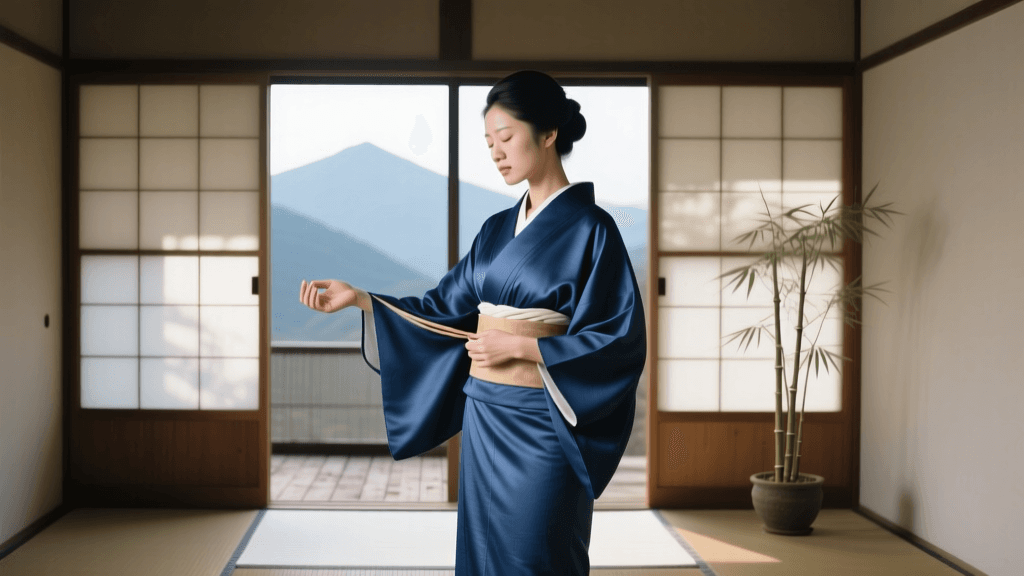
The tying of the obi is the anchor of the kitsuke ritual. Wrap the sash around your waist, positioning it just below the navel—over the Hara, the body's center of gravity in Zen martial arts and meditation. As you pull the sash taut, exhale completely. The gentle compression of the obi provides proprioceptive feedback, reminding you to maintain your posture and breathe deeply into your belly during Zazen.
Step 5: The Final Collar Adjustment
The final step is adjusting the collar at the nape of the neck. Using your fingers, pull the back collar down slightly to expose the nape, a traditional mark of elegance and vulnerability. This physical opening encourages a slight tuck of the chin, which is the exact cervical alignment required for optimal energy flow during seated meditation.
Sensory Mindfulness: Kinu-Zure and Tactile Awareness
A crucial element of mindful dressing is engaging the senses. In Japanese aesthetics, there is a specific term for the sound of silk garments rustling as the wearer moves: kinu-zure. While cotton and hemp are quieter, the subtle friction of the fabric serves as an auditory anchor, much like the sound of a singing bowl or the wind in the bamboo.
'When you dress mindfully, the garment becomes an extension of your skin. The weight of the silk, the scent of the camphor wood storage box, and the tension of the obi all conspire to pull your wandering mind back into the present moment.' — Master Weaver Hiroshi Tanaka, 2026 Kyoto Textile Symposium.
In 2026, sensory integration is a major focus in holistic wellness. Practitioners are encouraged to store their meditation garments in traditional tansu (wooden chests) lined with aromatic woods like cedar or sandalwood. The olfactory trigger of these natural scents signals to the brain that it is time to transition from the chaos of the external world into the sanctuary of internal reflection.
2026 Zen Retreats and Mindful Dressing Workshops
For those looking to deepen their practice under the guidance of experts, several renowned institutions are offering specialized workshops that combine traditional garment preservation with Zen spirituality. According to the Kyoto City Official Travel Guide, cultural immersion programs focusing on the intersection of textiles and spirituality have seen a 40% increase in international bookings this year.
- Shunkoin Temple (Kyoto): Famous for its English-language Zen programs, Shunkoin Temple frequently hosts morning sessions where monks discuss the philosophy of monastic robes and how the simplicity of the Samue reflects the Zen vow of poverty and mindfulness. Their 2026 weekend retreats include guided mindful-dressing mornings followed by two hours of Zazen.
- The Kyoto Seisho Traditional Arts Center: Offering intensive 3-day kitsuke certifications that focus entirely on the meditative aspects of tying the obi and folding the hakama, emphasizing breath synchronization over speed.
- Kamakura Mindfulness Collective: A modern 2026 initiative that pairs upcycled vintage kimono styling with coastal walking meditation (Kinhin), allowing practitioners to experience the flow and drape of the garment in harmony with nature.
Preserving the Spirit of the Garment
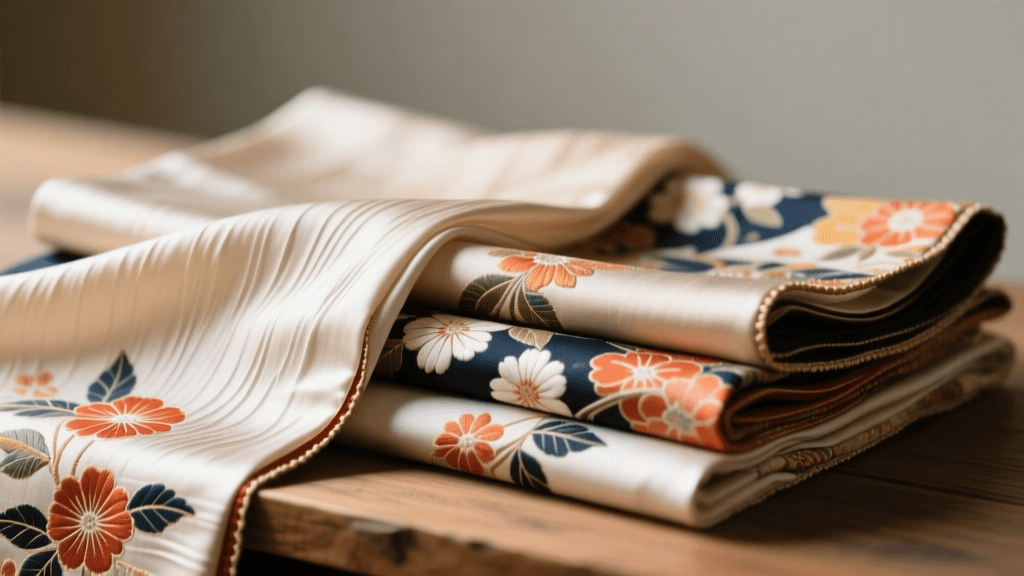
Mindful dressing also extends to the aftercare of your garments. The act of folding a kimono or Samue after meditation is just as important as putting it on. In Zen monasteries, the folding of robes is done with sharp, precise creases, treating the fabric as a sacred text. By learning the traditional tatami-kata (folding methods), you close the loop of your meditative practice, expressing gratitude for the shelter the garment provided.
As we navigate the complexities of the mid-2020s, the integration of Zen spirituality with the physical act of wearing traditional Asian garments offers a powerful antidote to modern dissociation. The kimono, the Samue, and the yukata are not mere costumes; they are wearable architecture designed to house a quiet, focused mind. By embracing mindful kitsuke, you honor centuries of Asian traditions while cultivating a profound, embodied peace in your daily life.