Ceremonial vs Everyday Kimono: 2026 Furisode and Komon Guide
The Resurgence of Japanese Garments in 2026
As we navigate the fashion landscape of 2026, the Japanese kimono continues to experience a profound renaissance. No longer confined strictly to historical reenactments or rigid family obligations, traditional Japanese garments have bifurcated into two distinct, thriving categories: high-ceremony formal wear and adaptable everyday streetwear. For enthusiasts, collectors, and cultural practitioners, understanding the dichotomy between the ceremonial furisode and the everyday komon is essential for making informed purchasing, rental, and styling decisions this year.
The modern kimono market in 2026 is defined by a respect for ancestral techniques coupled with an embrace of contemporary textile technology. While ceremonial garments lean heavily into sustainable, artisanal silk weaving, everyday garments have adopted advanced washable fabrics that cater to the fast-paced, modern lifestyle. This comprehensive guide explores the structural, financial, and stylistic differences between these two pillars of Japanese sartorial tradition, providing actionable advice for integrating them into your 2026 wardrobe.
Ceremonial Grandeur: The Furisode
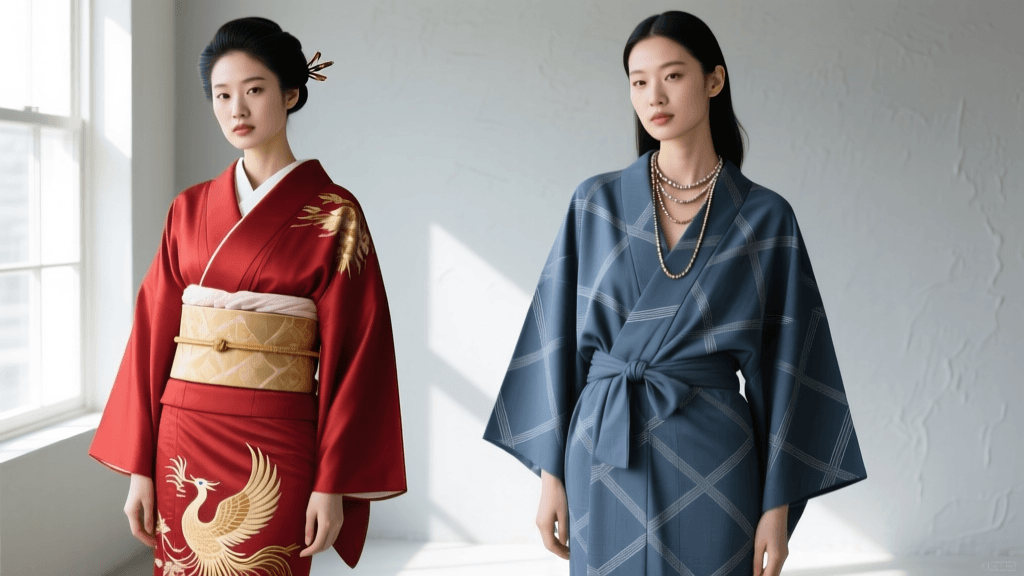
The furisode (literally "swinging sleeves") represents the absolute pinnacle of formal, ceremonial wear for unmarried women. It is the garment of choice for Coming of Age Day (Seijin no Hi), university graduations, and high-level tea ceremonies. In 2026, the furisode remains a symbol of familial pride and cultural continuity, characterized by its dramatic silhouette and opulent materials.
Fabric, Motifs, and 2026 Pricing
Authentic furisode are crafted from premium, tightly woven silk crepe (chirimen) or smooth silk satin (rinzu). The defining feature is the sleeve length, which typically measures between 100 and 114 centimeters from the shoulder seam to the hem. The motifs are not merely decorative; they are deeply symbolic, often featuring cranes for longevity, peonies for wealth, or cherry blossoms for the ephemeral nature of youth. In 2026, there is a massive surge in demand for "neo-classical" motifs, where traditional flora and fauna are rendered in unexpected, contemporary color palettes like deep plum, slate grey, and iridescent teal.
Due to the intensive labor required for hand-painting (yuzen) and gold-leaf application (surihaku), purchasing a brand-new, bespoke furisode in 2026 is a significant investment. Prices for a complete, custom-set (including the kimono, formal maru or fukuro obi, and undergarments) start at approximately ¥450,000 ($3,000 USD) and can easily exceed ¥1,500,000 ($10,000 USD) for master-crafted pieces from Kyoto's Nishijin district. Consequently, the 2026 rental market remains robust, with premium rental packages averaging ¥55,000 to ¥85,000 for the season.
Styling the Furisode
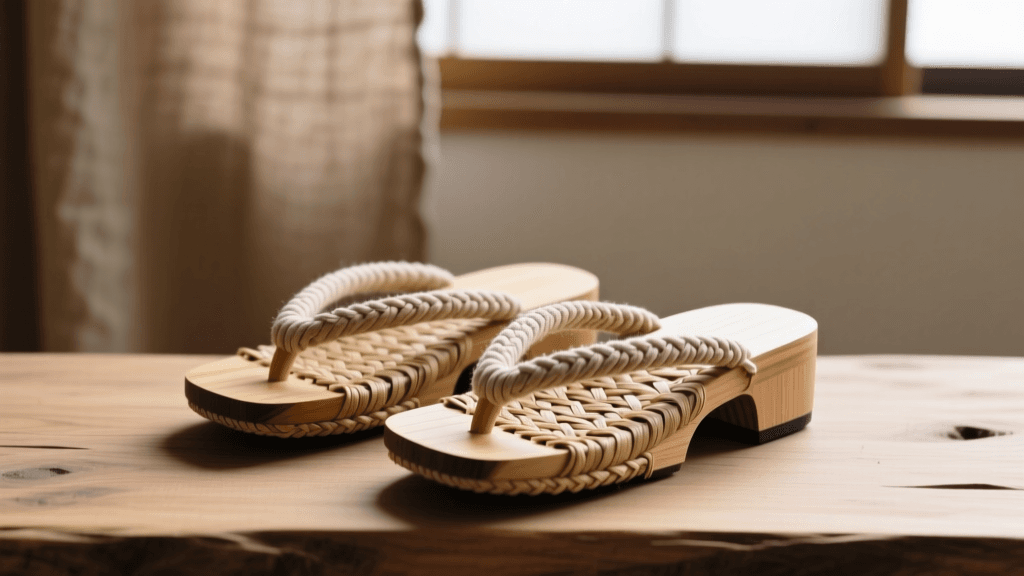
Styling a furisode requires strict adherence to formal rules. The obi must be tied in an elaborate, decorative knot (musubi), such as the fukura-suzume (sparrow knot) or tateya (standing arrow). Footwear is strictly limited to formal zori sandals with thick, brocade-covered soles, paired with pristine white tabi socks. Hair is traditionally worn up, adorned with kanzashi (ornamental hairpins) that reflect the current season.
Everyday Elegance: The Komon and Yukata
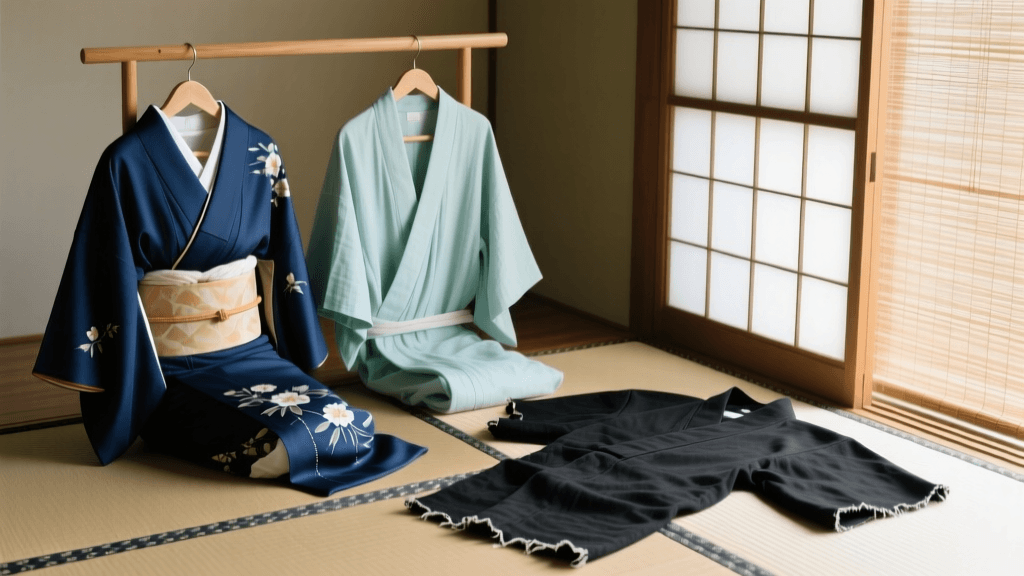
On the opposite end of the spectrum lies the komon and the yukata, the workhorses of everyday Japanese traditional dress. While the yukata is a lightweight, unlined cotton garment primarily reserved for summer festivals and ryokan stays, the komon is a lined, versatile kimono featuring small, repeating patterns. In 2026, the komon has become the focal point of the "kimono streetwear" movement, blending historical silhouettes with modern practicality.
Washable Tech-Fabrics and Streetwear Fusion
The most significant development for everyday kimono in 2026 is the widespread adoption of advanced polyester blends and bio-based cellulosic fibers. Unlike the delicate silks of the past, these modern tech-fabrics mimic the drape and texture of chirimen silk while being entirely machine-washable. This innovation has drastically lowered the barrier to entry, allowing younger demographics and international enthusiasts to wear kimono without the anxiety of expensive dry-cleaning bills.
Komon sleeves are significantly shorter than furisode, measuring a standard 49 to 52 centimeters. The repeating patterns can range from subtle geometric shapes to playful, modern pop-culture motifs. In 2026, a high-quality, machine-washable polyester komon can be purchased brand new for ¥15,000 to ¥35,000 ($100 to $230 USD), making it an accessible entry point for daily wear.
Everyday Styling and Footwear
The styling rules for komon are intentionally relaxed. The obi of choice is the hanhaba (half-width obi), which is easier to tie and requires no stiff cardboard backing (obita). Popular modern knots include the simple bunko (bow knot) or the asymmetrical karuta knot. Crucially, 2026 streetwear fashion fully embraces pairing komon with modern footwear. Leather ankle boots, platform loafers, and even minimalist sneakers are now widely accepted and celebrated in urban centers like Harajuku and Daikanyama, often worn with ankle-high socks instead of traditional tabi.
2026 Comparison Chart: Furisode vs. Komon
To visualize the distinct differences between these two garment categories, refer to the comparison table below. This chart is designed to help you make quick, informed decisions based on your specific needs, budget, and lifestyle in 2026.
| Feature | Ceremonial (Furisode) | Everyday (Komon) |
|---|---|---|
| Primary Use | Weddings, Coming of Age, Graduations | Daily wear, casual outings, theater, dining |
| Sleeve Length | 100 cm - 114 cm (Long) | 49 cm - 52 cm (Standard) |
| Fabric (2026) | 100% Silk (Chirimen/Rinzu), Yuzen dyed | Washable Poly-blends, Bio-cellulose, Silk |
| Obi Type | Fukuro Obi (Formal, wide, heavy brocade) | Hanhaba Obi (Casual, narrow, lightweight) |
| Footwear | Formal Zori with white Tabi | Boots, Sneakers, Zori, or Geta |
| Avg. Purchase Cost | ¥450,000 - ¥1,500,000+ | ¥15,000 - ¥45,000 |
| Maintenance | Professional specialized cleaning only | Machine washable (cold, gentle cycle) |
Sourcing and Authenticity in the Modern Market
Whether you are seeking a ceremonial heirloom or an everyday staple, knowing where to source your garments in 2026 is critical. For authentic, ceremonial silk furisode, the Nishijin Textile Center in Kyoto remains the premier destination. According to cultural preservation data from the Agency for Cultural Affairs, Government of Japan, supporting certified traditional artisans ensures the survival of techniques like Nishijin-ori (brocade weaving) and Kyo-yuzen (resist dyeing). When purchasing high-end silk, always look for the official certification tags that verify the artisan and the region of production.
For everyday komon and washable garments, the market has shifted heavily toward specialized online retailers and curated vintage shops. The Metropolitan Museum of Art's extensive archives on kimono history highlight how the garment has always been adaptable, and modern e-commerce platforms reflect this evolution. In 2026, platforms like Rakuten and specialized international kimono exporters offer vast catalogs of washable komon. When buying vintage silk komon, pay close attention to the condition of the collar and the hem, as these areas are most prone to sweat and friction damage. A reputable seller will provide high-resolution photos of the interior lining and any minor blemishes.
Care, Maintenance, and Storage
The care requirements for ceremonial and everyday garments are vastly different, reflecting their distinct material compositions. A silk furisode must never be exposed to water or home washing machines. After a single wear, it should be aired out in a shaded, well-ventilated room for 24 hours before being returned to its storage box. Every few years, or if a stain occurs, it must be sent to a specialized kimono cleaner (kimono arai) who uses traditional solvents and hand-stretching techniques to maintain the fabric's tension and dye vibrancy. Storage must involve acid-free tatou paper and natural camphor to prevent moisture buildup and insect damage.
Conversely, the 2026 washable komon is designed for modern convenience. These garments can be folded into a specialized mesh laundry bag and washed on a gentle, cold-water cycle using a neutral pH detergent. They should be hung to dry in the shade to prevent UV fading. Once dry, they can be lightly ironed on a low-heat setting using a pressing cloth. Because polyester and bio-blends are not susceptible to the same insect damage as silk, they can be stored in standard, breathable cotton storage boxes without the need for harsh chemical mothballs.
Conclusion
The landscape of Japanese traditional garments in 2026 is a beautiful testament to the culture's ability to honor its past while innovating for the future. The ceremonial furisode remains a breathtaking, uncompromising masterpiece of silk artistry, reserved for life's most significant milestones. Meanwhile, the everyday komon has been revitalized through washable textiles and relaxed styling rules, making the kimono a viable, vibrant part of daily global fashion. By understanding the specific use-cases, costs, and care requirements of both categories, you can confidently build a traditional Japanese wardrobe that perfectly suits your lifestyle and respects the profound heritage of the garment.