The Qipao Evolution: Modern Styling & Bespoke Fit Guide
The Living Silhouette: A Century of Qipao Evolution
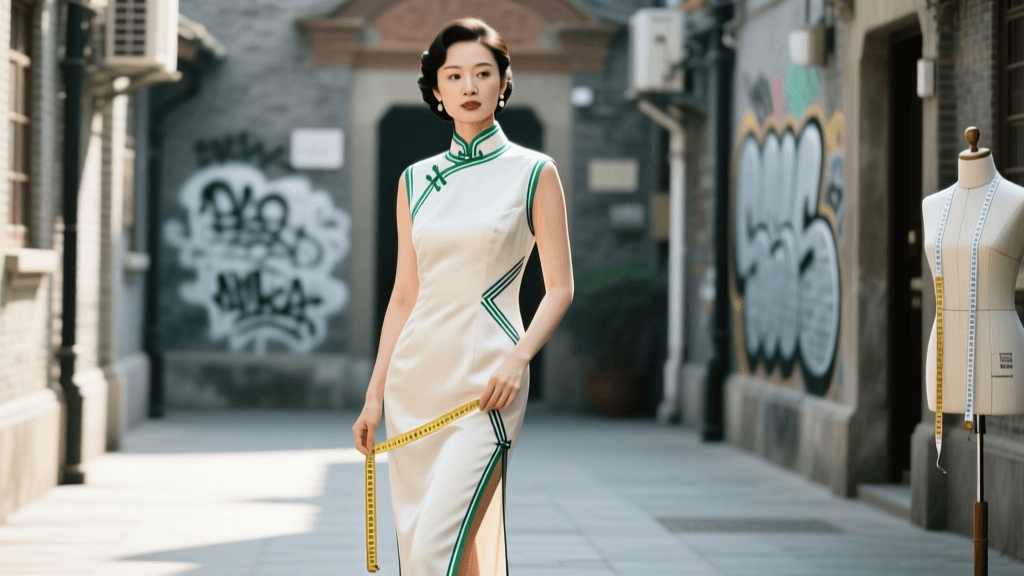
The qipao, also widely known as the cheongsam, is arguably the most globally recognized garment in Chinese fashion history. Far from being a static historical artifact, the qipao is a living, breathing canvas of cultural evolution. Originating in the bustling, cosmopolitan hub of 1920s Shanghai, the garment began as a symbol of female emancipation and modernity. Today, it has transcended its mid-century origins to become a cornerstone of the Xin Zhongshi (New Chinese Style) movement, blending traditional tailoring with contemporary streetwear aesthetics.
According to the Victoria and Albert Museum, the early cheongsam emerged as a reaction against traditional, restrictive Qing dynasty clothing. Early 1920s iterations were characterized by loose, A-line silhouettes, high mandarin collars, and modest hemlines that prioritized comfort and intellectual liberation. By the 1930s and 1940s, the influence of Western tailoring introduced darts, set-in sleeves, and daring thigh-high slits, creating the form-fitting, hourglass silhouette that dominates popular imagination today.
'The cheongsam is not merely a dress; it is a barometer of China's social and cultural shifts, reflecting the changing roles of women and the integration of global fashion capitals.' — Curatorial insights from the Metropolitan Museum of Art's China: Through the Looking Glass exhibition.
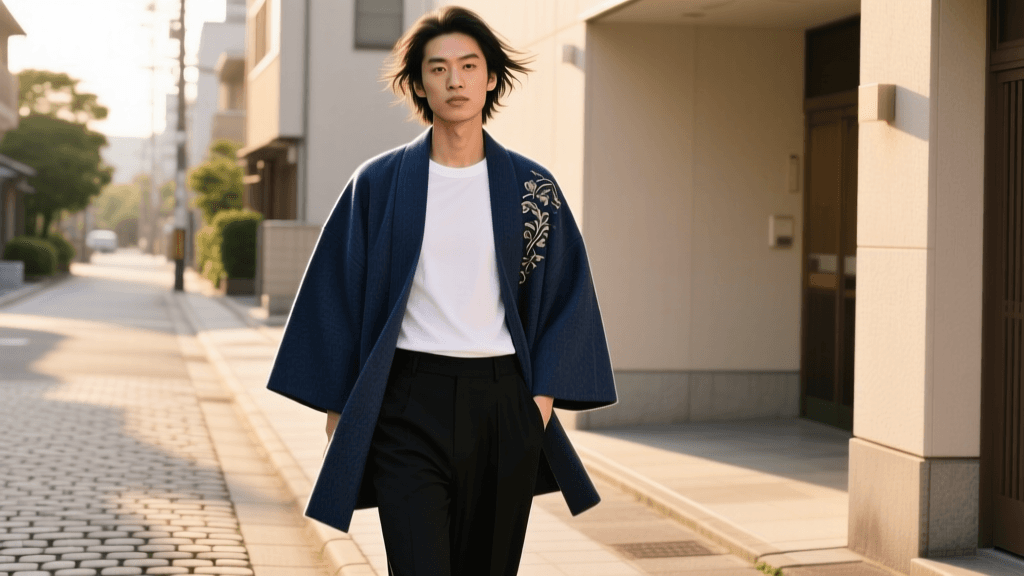
In the 2020s, the qipao is undergoing another radical transformation. Designers are deconstructing the traditional form, experimenting with asymmetrical hems, oversized fits, and hybrid garments that merge the qipao collar with trench coats, denim jackets, and knitwear. This evolution makes the qipao more accessible and versatile than ever before, inviting a new generation to integrate it into their daily wardrobes.
Sourcing Your Qipao: Ready-to-Wear vs. Bespoke
Whether you are looking for a casual piece for weekend streetwear or an heirloom garment for a wedding, understanding the sourcing landscape is crucial. The fit of a qipao is notoriously unforgiving; because the garment lacks the stretch and structural seaming of Western bodices, precise tailoring is paramount. Below is a comprehensive comparison to help you decide which purchasing route is best for your needs and budget.
| Category | Ready-to-Wear (Off-the-Rack) | Made-to-Measure (MTM) | Bespoke (Custom) |
|---|---|---|---|
| Estimated Cost (USD) | $50 - $250 | $300 - $800 | $1,200 - $4,000+ |
| Timeline | Immediate shipping | 3 - 6 Weeks | 2 - 5 Months |
| Fittings Required | None | 1 - 2 Fittings | 3 - 5 Fittings (Muslin toile included) |
| Fabric Selection | Limited to brand stock | Moderate in-house selection | Unlimited (sourcing from global mills) |
| Best Use Case | Casual wear, styling experiments | Formal events, weddings, galas | Heirlooms, perfect anatomical fit |
The Practical Guide to Bespoke Measurements
If you opt for Made-to-Measure or Bespoke, you will need to provide a highly specific set of measurements. Unlike Western dresses that rely heavily on bust and waist metrics, a qipao requires meticulous attention to the neck, shoulders, and hip curves. Here is an actionable guide to taking your measurements for a custom qipao:
- The Mandarin Collar (Neck Band): Measure the circumference of your neck exactly where the collar will sit. Crucial Tip: Add exactly 1.5 cm to 2 cm of ease. Any tighter, and the collar will restrict breathing and cause chafing; any looser, and the iconic structured stand will collapse.
- Shoulder Width: Measure from the acromion bone (the edge of your shoulder) across the back to the other side. A qipao's shoulder seam must sit precisely on this bone to support the weight of the silk or brocade without pulling at the armholes.
- Bust, Waist, and Hips: Measure the fullest part of the bust, the natural narrowest part of the waist, and the fullest part of the hips. Crucial Tip: For the hips, measure while standing with your feet together. The qipao skirt narrows at the knees, so the tailor must calculate the exact 'hip-to-knee' taper to ensure you can walk and sit comfortably.
- Hollow-to-Hem & Slit Placement: Measure from the hollow of your collarbone to your desired hemline. For modern styling, a midi-length (hitting mid-calf) is highly versatile. The side slit should traditionally begin exactly 2-3 inches above the knee cap to allow for a full stride without exposing the upper thigh when seated.
- Armhole Depth: Traditional qipaos have notoriously high, tight armholes. If you plan to wear your qipao with modern layering (like a turtleneck underneath), instruct your tailor to drop the armhole by 1.5 cm.
Fabric Selection for Modern, Everyday Wear
The most common mistake modern consumers make is choosing fragile, high-gloss silks or heavy, stiff brocades for everyday wear. While beautiful, these fabrics require dry cleaning, snag easily, and can look overly theatrical in casual settings. To integrate the qipao into a modern, trend-driven wardrobe, consider the following textile alternatives:
1. Linen-Cotton Blends
Perfect for summer and the Xin Zhongshi aesthetic. A 55% linen and 45% cotton blend offers the breathable, textured drape of linen without the excessive wrinkling. It provides a matte, earthy finish that pairs beautifully with leather accessories and chunky footwear. Expect to pay $15 to $30 per yard for high-quality Japanese or European linen blends.
2. Matte Crepe and Heavy Jersey
For a sleek, minimalist look that travels well, matte silk crepe or heavyweight ponte jersey are exceptional choices. These fabrics offer a subtle stretch (usually 2-4% elastane), which forgives minor fluctuations in body weight and provides immense comfort for all-day wear. They drape elegantly over the hips and resist wrinkling in a suitcase.
3. Washable Tech-Silks
Modern textile innovations have produced 'washable silks' treated with specialized enzymes that allow the fabric to be machine-washed on gentle cycles without losing its luster or structural integrity. This bridges the gap between luxury and practicality.
Modern Styling: Taking the Qipao to the Streets
The key to styling a qipao in the 2020s is juxtaposition. By pairing the hyper-feminine, structured elements of the cheongsam with utilitarian, oversized, or edgy contemporary pieces, you create a balanced, fashion-forward silhouette that avoids looking like a costume.
Footwear Pairings
Ditch the traditional stiletto pumps. For a modern streetwear look, pair a midi-length linen qipao with chunky, lug-sole boots (such as Dr. Martens or Bottega Veneta Tire boots). The heavy, aggressive sole grounds the delicate silhouette of the dress, creating a striking visual contrast. For warmer months, minimalist leather slide sandals or retro New Balance sneakers offer a sporty, effortless vibe.
Layering Techniques
- The Turtleneck Base: In autumn, layer a fine-gauge merino wool turtleneck underneath a sleeveless or cap-sleeve qipao. This not only adds warmth but also gives the garment a mod, 1960s-inspired silhouette.
- The Oversized Blazer: Drape an oversized, menswear-inspired blazer over your shoulders. The sharp, broad shoulders of the blazer contrast sharply with the high, restrictive mandarin collar, projecting an image of modern power-dressing.
- Leather Moto Jackets: A cropped leather biker jacket worn over a floral or brocade qipao instantly neutralizes the dress's inherent sweetness, making it perfect for evening events, concerts, or gallery openings.
Accessory Minimalism
Traditional qipao styling often relies on jade bangles, pearl drop earrings, and ornate hair sticks. For a contemporary update, strip back the jewelry. Opt for a single, sculptural metallic ear cuff, a sleek leather shoulder bag, and a modern, claw-clip updo that exposes the nape of the neck, highlighting the intricate frog button (pankou) closures of the collar.
Conclusion: A Garment Without Borders
The qipao is no longer confined to the pages of history books or the wardrobes of formal occasions. Through the lens of modern styling, sustainable fabric choices, and precise bespoke tailoring, the cheongsam has reclaimed its place as a dynamic, everyday garment. Whether you are investing in a custom-made silk heirloom or styling an off-the-rack linen blend with chunky sneakers, wearing the qipao today is an act of participating in a century-long dialogue between Eastern heritage and global contemporary fashion.