Geta & Zori Craft Guide 2026: Traditional Japanese Footwear
The 2026 Renaissance of Traditional Japanese Footwear
In the ever-evolving landscape of global fashion, 2026 has marked a definitive renaissance for traditional Japanese footwear. Far from being relegated to historical museums or seasonal summer festivals, Geta and Zori have reclaimed their place in contemporary wardrobes. This resurgence is driven by a growing consumer demand for artisanal craftsmanship, sustainable materials, and bespoke tailoring. Today, the intersection of heritage techniques and modern ergonomic science has elevated the craft of Japanese footwear to new heights. Whether you are a collector of traditional garments, a practitioner of Zen aesthetics, or simply a lover of bespoke fashion, understanding the intricate craft of Geta and Zori is essential.
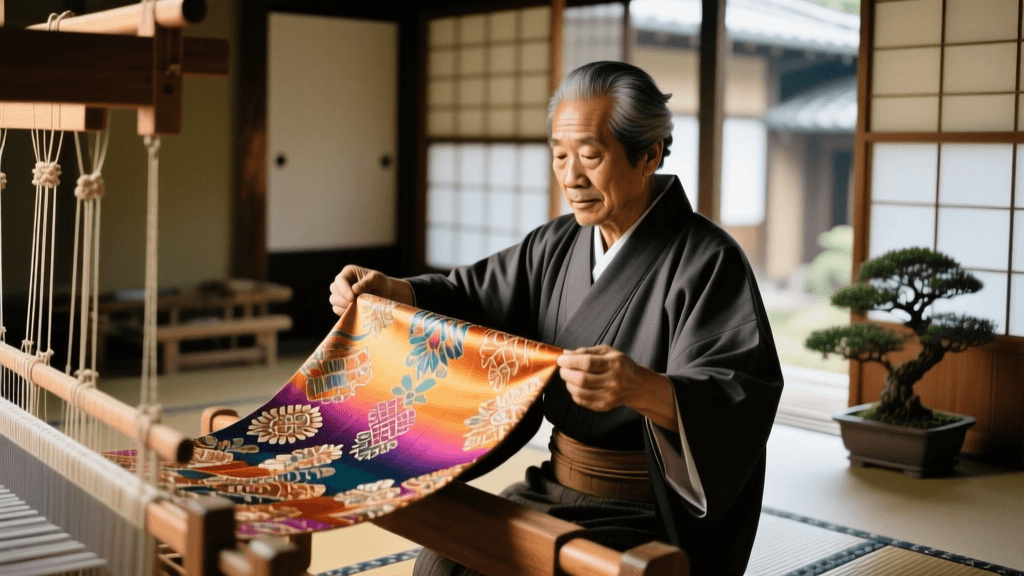
According to cultural preservation initiatives highlighted by the Tokyo Traditional Aoyama Square, the number of registered master artisans specializing in wooden footwear and textile weaving has seen a stabilized revival in 2026, supported by new government grants aimed at preserving intangible cultural properties. This article delves deep into the anatomy, crafting process, and modern styling of these iconic garments.
Understanding the Anatomy: Geta vs. Zori
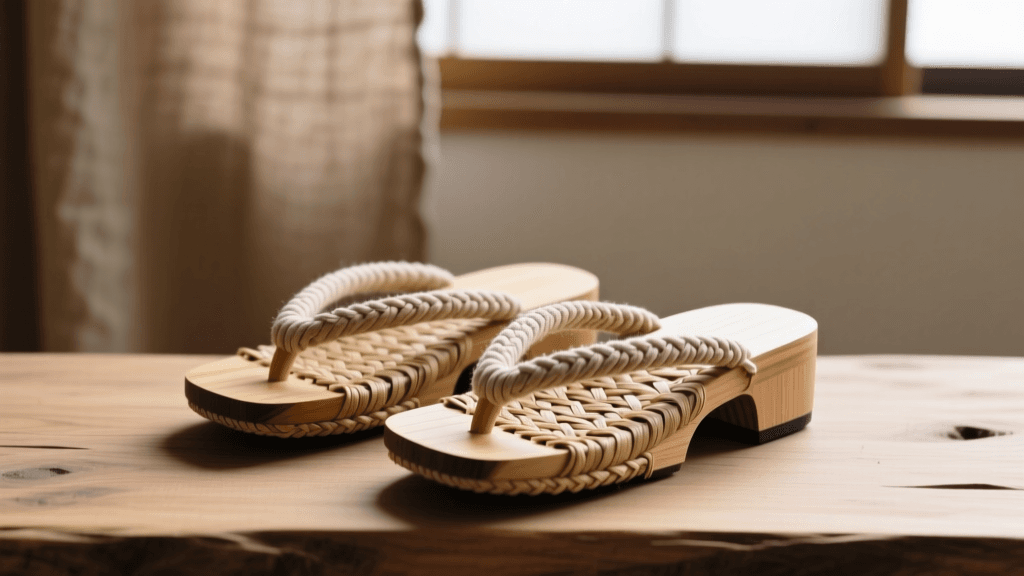
While often grouped together by the untrained eye, Geta and Zori serve distinct purposes and are constructed using fundamentally different techniques. Both share the Hanao (the Y-shaped thong that secures the foot), but their bases dictate their formality, sound, and use case.
| Feature | Geta (Wooden Clogs) | Zori (Flat Sandals) |
|---|---|---|
| Base Material | Solid wood (traditionally Paulownia/Kiri, Cypress/Hinoki) | Woven straw, leather, vinyl, EVA, or brocade fabric |
| Structure | Elevated on one or two 'teeth' (Ha), or solid platform | Flat, wedge, or slightly elevated heel; no teeth |
| AcousticsDistinctive 'Karan-Koron' clicking sound | Silent or soft padding sound | |
| Formality | Casual, everyday wear, summer festivals (Yukata) | Ranges from casual to highly formal (Kimonos) |
| 2026 Bespoke Price Range | ¥35,000 - ¥85,000 ($230 - $560 USD) | ¥25,000 - ¥120,000 ($165 - $800 USD) |
The 2026 Material Revolution: Sustainable Kiri and Bio-Resins
The soul of a premium Geta lies in its Dai (the wooden base). Historically, Kiri (Paulownia wood) has been the gold standard due to its lightweight nature, moisture resistance, and beautiful pale grain. However, climate shifts over the past decade have impacted the growth cycles of premium Paulownia trees in the Tohoku region. In response, 2026 has seen master artisans adopting rigorous sustainable forestry practices, ensuring that only fallen or selectively pruned Kiri is harvested.
Furthermore, innovation has entered the workshop. For the Ha (the teeth of the Geta), which endure the most friction and impact against modern asphalt, some contemporary craftsmen are now reinforcing the base with hidden, high-density bio-resins derived from plant starches. This maintains the traditional acoustic 'click' while tripling the lifespan of the footwear. The application of Urushi (traditional Japanese lacquer) remains a hallmark of luxury Zori and high-end Geta. In 2026, the curing process for Urushi is still done in specialized wooden cabinets called Furo, relying on precise humidity control to achieve that deep, glass-like finish that protects the wood from rain and humidity.
The Art of the Hanao: Weaving and Ergonomics
The Hanao is not merely a strap; it is a complex woven textile that must balance tension, comfort, and aesthetics. In traditional crafting, the Hanao is woven from cotton, silk, or hemp, often featuring a core of braided paper or synthetic cord for structural integrity. The historical evolution of these textiles and their integration with formal dress is beautifully documented in the Victoria and Albert Museum's Kimono exhibition archives, which highlights how the color and material of the Hanao must harmonize with the Kimono or Yukata.
In 2026, bespoke Hanao weaving incorporates ergonomic mapping. Artisans now use pressure-sensitive foot scans to determine the exact thickness and padding required at the junction where the thong meets the toes (the Tsubo). This prevents the common issue of blistering and allows for all-day wear, even on hard urban surfaces. The left and right Hanao are often woven with a slight asymmetry to match the natural splay of the human foot, a subtle detail that separates mass-produced imports from true artisanal craft.
Bespoke Fitting: The Science of the Overhang
One of the most common mistakes made by those new to traditional Japanese footwear is choosing a size that is too large. In Western footwear, a generous toe box is preferred. In the world of Geta and Zori, the opposite is true. The traditional aesthetic and functional ideal requires the heel to overhang the back edge of the Dai by approximately 0.5 to 1.5 centimeters.
Why is this overhang crucial?
- Center of Gravity: Japanese footwear is designed to be gripped by the toes. An overhanging heel shifts your center of gravity slightly forward, encouraging a straight posture and a graceful, gliding walking style (often referred to as Namba Aruki in historical contexts).
- Garment Protection: If the base is too long, the back edge will catch the hem of your Kimono or Yukata, potentially causing you to trip or soil the fabric.
- Aesthetic Silhouette: The slight overhang creates a visually pleasing, compact silhouette that complements the draped lines of traditional Asian garments.
When ordering bespoke Geta in 2026, master craftsmen will ask you to stand on a sheet of paper, trace your foot while bearing weight, and then they will carve the wooden block to be intentionally shorter than your tracing. This precise tailoring is what makes bespoke Japanese footwear a true luxury.
Step-by-Step: The Crafting Timeline
Ordering a custom pair of Geta or Zori from a master artisan in Kyoto or Tokyo is an exercise in patience and appreciation for slow fashion. Here is what the typical timeline looks like in a modern atelier:
- Consultation and Scanning (Day 1): Foot measurements, gait analysis, and selection of wood grain, lacquer color, and Hanao textile.
- Wood Selection and Curing (Weeks 1-3): The artisan selects the specific block of Kiri or Hinoki. The wood must be acclimated to the workshop's humidity to prevent future warping.
- Carving and Shaping (Week 4): Using a combination of CNC precision routers (for the rough cut) and traditional hand planes (for the final smoothing), the Dai is shaped to the exact millimeter.
- Lacquering and Drying (Weeks 5-7): If Urushi is requested, multiple thin coats are applied, each requiring days to cure in a humidity-controlled environment.
- Hanao Weaving and Threading (Week 8): The thongs are woven, and the artisan threads them through the pre-drilled holes, tying a complex, secure knot on the underside of the base.
Caring for Your Traditional Footwear
To ensure your bespoke Geta and Zori last for decades, proper maintenance is required. The natural materials used in 2026's finest crafts react to the environment, and a little care goes a long way.
- Moisture Control: Never leave wooden Geta near a radiator or in direct, harsh sunlight, as this will cause the Kiri wood to crack. If they get wet from rain, wipe them with a dry, soft cloth and let them air dry in a shaded, well-ventilated area.
- Lacquer Maintenance: Urushi lacquer is incredibly durable but can be dulled by prolonged UV exposure. Store your lacquered Zori in a breathable cotton bag (often provided by the artisan) when not in use.
- Hanao Cleaning: Fabric thongs can accumulate dust and oils. Use a soft-bristled brush to gently sweep the weave. For stubborn stains on silk or high-grade cotton, consult a specialized textile cleaner rather than using harsh chemical detergents.
- Sole Replacement: Many high-end Geta feature a replaceable rubber or leather cap on the bottom of the Ha. Once you hear the wood clicking directly against the pavement, it is time to visit a cobbler or the original artisan for a sole replacement, a service that costs a fraction of a new pair.
Conclusion: Stepping into the Future with Heritage
The craft of Geta and Zori in 2026 is a testament to the resilience and adaptability of Asian traditions. By embracing sustainable materials, integrating ergonomic science, and maintaining the rigorous standards of hand-carving and weaving, Japanese artisans have ensured that this iconic footwear remains relevant and highly sought after. Whether paired with a vintage silk Kimono or a modern, minimalist linen ensemble, a bespoke pair of Geta or Zori is more than just an accessory; it is a wearable piece of history, grounding the wearer in centuries of culture while stepping confidently into the future.