Chinese Fashion Creators Championing Eco-Dye Hanfu in 2026
The Renaissance of Heritage Textiles in Digital Media
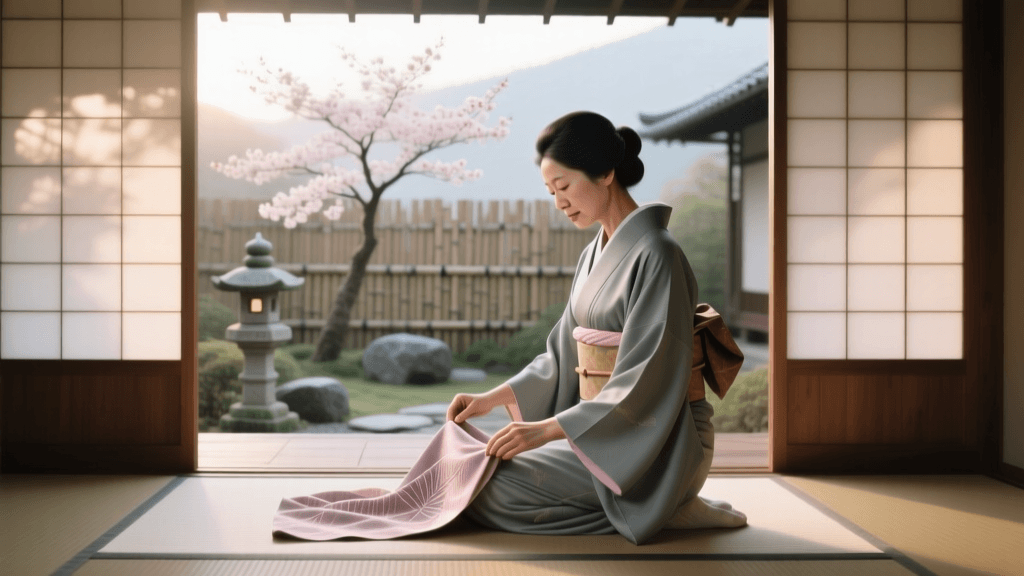
Welcome to 2026, a year where the intersection of ancient Chinese textile arts and modern digital fashion journalism has reached an unprecedented peak. The days of superficial outfit-of-the-day posts are long gone. Today, the most influential Chinese fashion journalism blogs and content creators are functioning as investigative journalists, cultural anthropologists, and sustainability advocates. On platforms like Xiaohongshu (RED), Bilibili, and WeChat, a new wave of digital creators is meticulously documenting the revival of natural, eco-friendly dyeing methods for traditional garments like Hanfu, Qipao, and Mamianqun.
As global consumers become increasingly fatigued by the environmental toll of synthetic fast fashion, Chinese digital fashion journalists are turning the spotlight back to their ancestors' sustainable practices. From the iron-rich river mud used in Guangdong's Xiangyunsha (mud-silk) to the fermented indigo vats of Guizhou's Miao communities, these creators are not just showcasing beautiful clothes; they are preserving intangible cultural heritage. According to digital luxury and fashion observers at Jing Daily, the modern Chinese consumer's pivot toward 'guochao' (national trend) has evolved from mere aesthetic appreciation to a deep, demanding scrutiny of sustainable supply chains and authentic artisanal craftsmanship.
The New Wave of Digital Fashion Journalism
Traditional fashion magazines have largely been supplanted by independent digital journalists who embed themselves in rural dyeing villages for weeks at a time. In 2026, the most respected fashion bloggers on WeChat Official Accounts publish long-form, heavily researched essays detailing the chemical processes of plant-based mordants, the ethical treatment of silk workers, and the carbon footprint comparisons between synthetic aniline dyes and traditional shuliang (Dioscorea cirrhosa) tuber dyes.
These creators bridge the gap between remote rural artisans and urban Gen Z and Millennial consumers. By utilizing high-definition macro videography, they allow their audiences to witness the precise moment raw white silk transforms into deep, lustrous hues through dozens of sun-baking and mud-coating cycles. This level of transparency has created a highly educated consumer base that demands authenticity and is willing to pay a premium for genuinely eco-friendly heritage wear.
Top Platforms and Creator Archetypes for Eco-Heritage Fashion
To understand the landscape of Chinese fashion journalism in 2026, one must look at the distinct ecosystems of the major social platforms. Each platform fosters a different style of content creation and appeals to a unique demographic of traditional garment enthusiasts.
| Platform | Primary Content Format | Key Eco-Dye Focus | Audience Demographic |
|---|---|---|---|
| Xiaohongshu (RED) | High-aesthetic photo carousels, short vlogs, and livestream shopping | Styling Xiangyunsha Qipaos, verifying authentic indigo Hanfu, capsule travel wardrobes | Urban professionals, luxury consumers, female-dominated (18-35) |
| Bilibili | Long-form documentary-style video essays, scientific breakdowns | The chemistry of plant mordants, DIY pomegranate dyeing, historical textile analysis | Students, history buffs, DIY enthusiasts, Gen Z (16-28) |
| WeChat Official Accounts | Long-form investigative journalism, artisan interviews, supply chain reports | Sustainability reports, artisan welfare, deep dives into regional dyeing cooperatives | Industry insiders, academics, high-net-worth collectors (25-50) |
| Douyin | Fast-paced behind-the-scenes, viral artisan process videos, direct e-commerce | Rapid visual transformations of mud-silk, tea-dyeing demonstrations, live village tours | Mass market, impulse buyers, broad age range (20-60) |
Spotlight on Xiangyunsha: The Mud-Silk Phenomenon
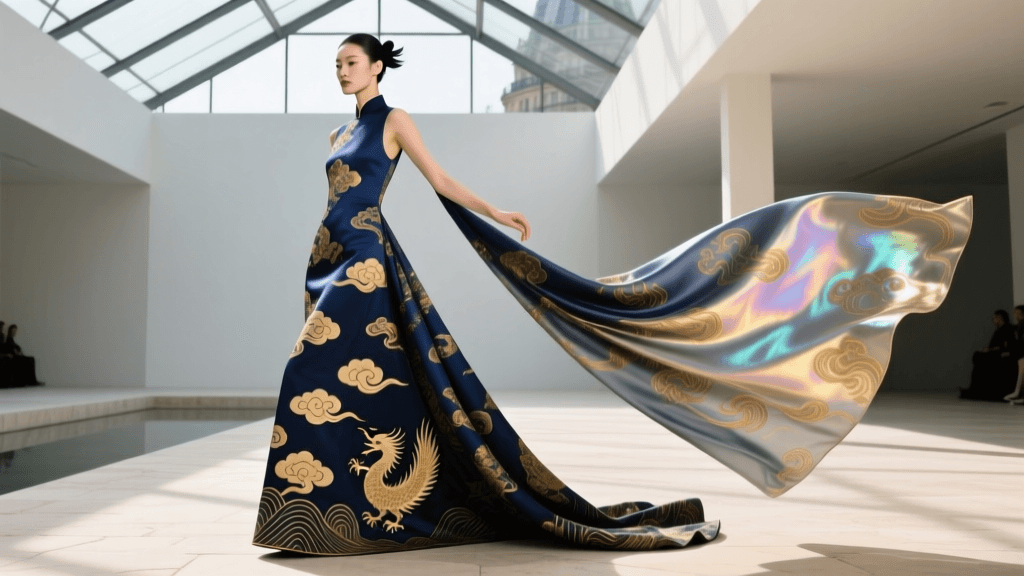
No discussion of Chinese eco-friendly fashion journalism in 2026 is complete without addressing Xiangyunsha, often referred to as 'soft gold.' Originating from the Lingnan region, this centuries-old dyeing technique relies entirely on natural elements: the juice of the shuliang tuber, the iron-rich mud from specific riverbeds, and the intense subtropical sun. The traditional techniques are so vital to regional identity that they are frequently documented in cultural registries such as the UNESCO Intangible Cultural Heritage lists, which digital creators frequently reference to educate their followers on the garment's global significance.
Top Bilibili documentary creators have spent the last year releasing multi-part series following the master craftsmen of Shunde. They highlight the grueling physical labor required—silk must be dipped, dried, and mud-coated over 30 times, strictly during the high-sun months of summer. Fashion journalists on Xiaohongshu have popularized the 'Xiangyunsha Water Test,' teaching their followers how to authenticate the fabric. Genuine mud-silk repels water slightly and possesses a distinct, earthy scent reminiscent of sweet potatoes and damp soil, whereas chemical imitations smell sharply of synthetic polymers.
Demystifying Natural Dyes: Indigo, Pomegranate, and Tea
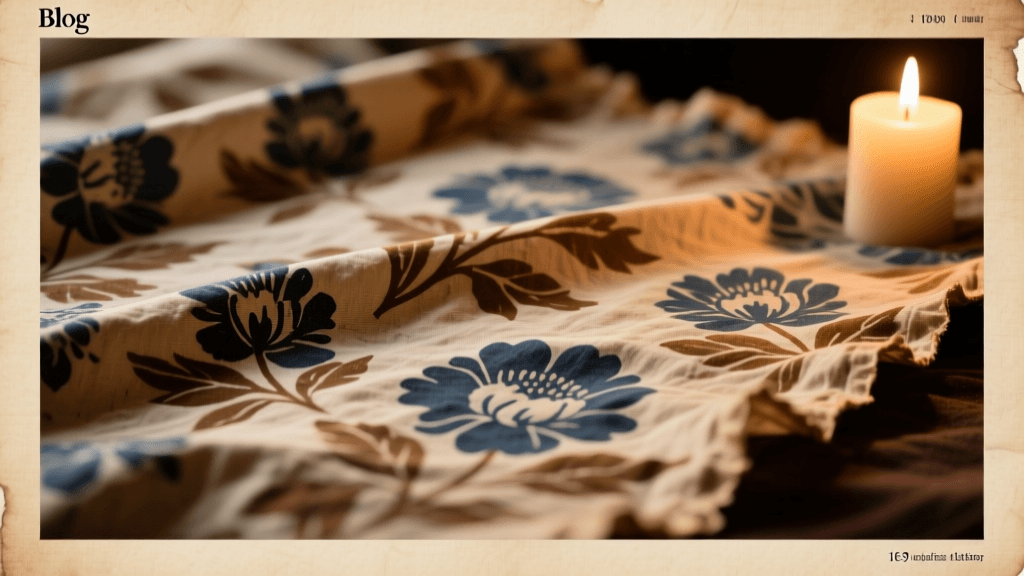
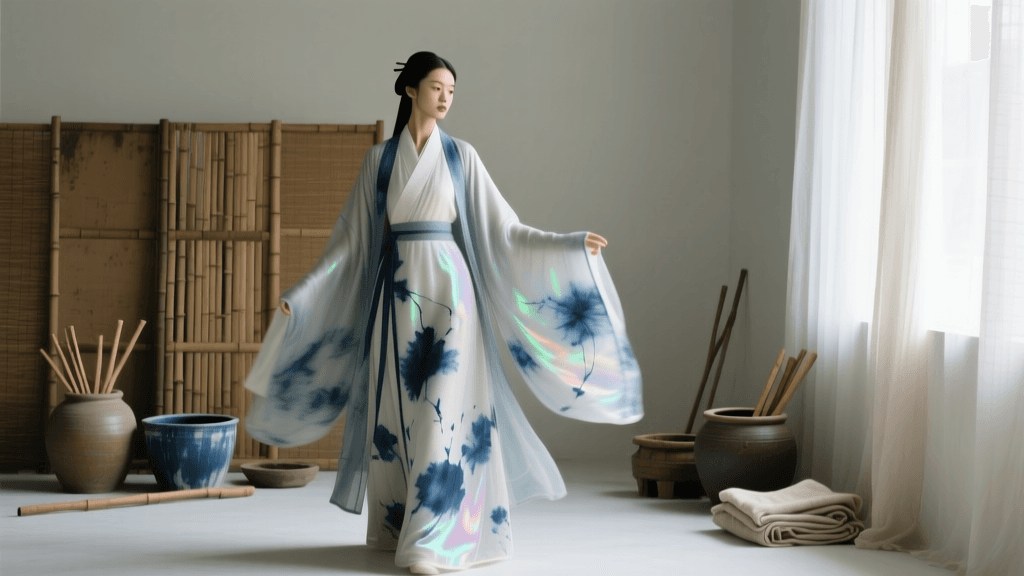
Beyond mud-silk, content creators are heavily promoting the use of botanical dyes for everyday Hanfu. Indigo (lancao) remains the most popular, but 2026 has seen a massive surge in the popularity of pomegranate rind (yielding rich yellows and greens when paired with iron mordants) and black tea (yielding warm, vintage sepia tones).
Fashion-science bloggers are demystifying the alchemy of these dyes, proving that eco-friendly does not mean fragile. By utilizing soy milk as a natural binder and alum as a mordant, creators are showing their audiences how to achieve colorfastness that rivals modern synthetic dyes, provided the garments are cared for with pH-neutral, plant-based detergents. This educational approach has single-handedly debunked the myth that natural dyes are impractical for modern, active lifestyles.
Actionable Guide: Verifying and Purchasing Eco-Dyed Garments
For international enthusiasts and collectors looking to source authentic, eco-friendly traditional Chinese garments via Chinese digital platforms in 2026, the landscape can be daunting. Here is an actionable guide derived from the top investigative fashion blogs to ensure you are investing in genuine heritage pieces.
- The Auditory Test for Xiangyunsha: When watching a livestream or handling the garment, authentic mud-silk produces a distinct, crisp 'crackling' sound when rubbed together, a result of the iron-mud reaction with the silk fibers. Synthetic knockoffs remain silent and feel overly slippery.
- Price Benchmarks (2026 Market Rates): Be highly skeptical of 'bargain' eco-dyes. In 2026, an authentic, handmade Xiangyunsha Mamianqun (horse-face skirt) from a reputable Guangdong cooperative starts at approximately 3,800 RMB ($525 USD) and can easily exceed 12,000 RMB for intricate jacquard weaves. Hand-dyed indigo Hanfu jackets from Guizhou artisan collectives typically range between 1,200 RMB and 2,500 RMB.
- Scent Verification: Natural dyes retain the faint aroma of their source materials. Indigo should smell slightly earthy and grassy; shuliang dye smells faintly of herbal medicine. A strong chemical or perfume odor is an immediate red flag for synthetic over-dyeing.
- Look for the 'Imperfections': Investigative journalists constantly remind buyers that true botanical dyeing is subject to the whims of nature. Slight variations in color depth, subtle watermarks from the sun-drying process, and minor unevenness in the indigo vats are hallmarks of authenticity, not defects.
DIY Eco-Dyeing: A Starter Protocol for Enthusiasts
Inspired by Bilibili's DIY fashion community, many global readers are attempting natural dyeing at home. If you are looking to upcycle a plain silk or linen garment using traditional Chinese botanical methods, follow this basic protocol popularized by heritage-craft bloggers:
- Scouring: Boil your natural fiber garment in water with a tablespoon of soda ash for 45 minutes to remove factory sizing and oils. Rinse thoroughly.
- Mordanting: Dissolve 15 grams of food-grade aluminum sulfate (alum) per liter of warm water. Soak the garment for one hour to ensure the natural dye binds to the fibers.
- The Dye Bath: For a classic Song-dynasty inspired sepia tone, simmer 200 grams of loose black tea leaves or pomegranate rinds in 4 liters of water for an hour. Strain the liquid.
- Dyeing: Submerge the mordanted garment in the warm dye bath. Keep the temperature just below a simmer (around 80°C) for 60 minutes, stirring continuously with a wooden spoon for even absorption.
- Oxidation and Setting: Remove the garment and let it hang in the open air. The color will deepen as it oxidizes. Rinse in cold water with a splash of white vinegar to set the pH, and dry away from direct, harsh sunlight to prevent premature fading.
The Global Runway Impact
The meticulous documentation provided by Chinese fashion bloggers has not gone unnoticed by the international fashion elite. Mainstream fashion authorities like Vogue have increasingly noted how global luxury houses are looking to China's digital heritage creators for inspiration regarding sustainable textile innovation. The zero-waste, closed-loop systems utilized in traditional Chinese dye villages—where plant remnants are composted and river mud is continually replenished—serve as a masterclass in circular fashion.
As we move deeper into 2026, the role of the Chinese fashion content creator has transcended mere trend forecasting. They are the vital custodians of a fragile ecological and cultural balance, ensuring that the breathtaking beauty of traditional Asian garments is preserved not just in museum archives, but as a living, breathing, and sustainable practice for the modern world. By following their investigative work, global consumers can make informed, ethical choices that honor the artisans and the earth alike.