Kimono Kitsuke Mindfulness: Slow Fashion Wellness Guide 2026
The Rise of Sartorial Mindfulness in 2026
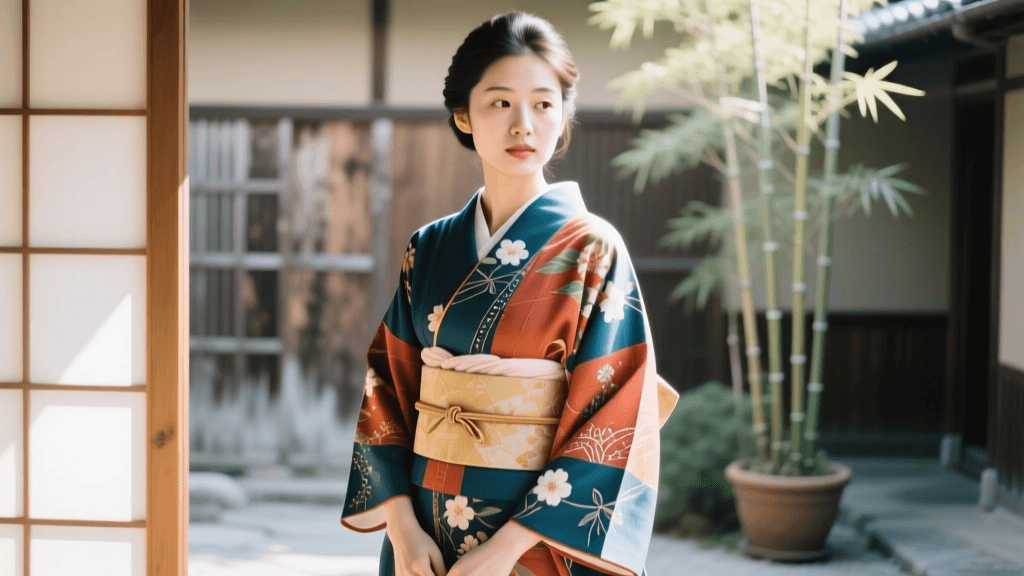
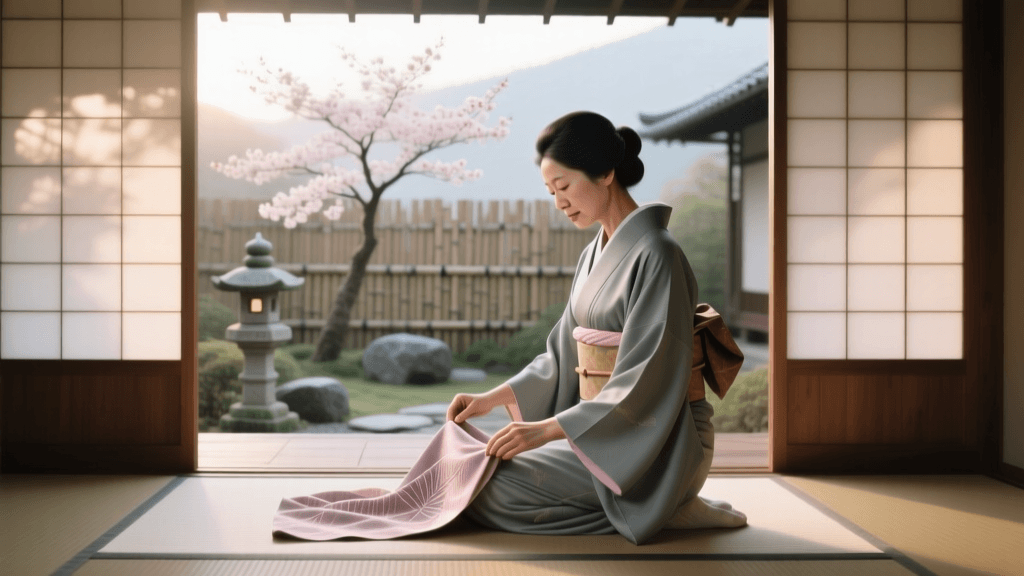
In the hyper-connected, fast-paced landscape of 2026, digital fatigue and sensory overload have reached unprecedented levels. As a counter-movement, wellness seekers and fashion historians alike are turning to ancient practices to ground themselves in the present moment. One of the most profound yet underexplored methods for achieving this is through the traditional Japanese art of kimono dressing, known as kitsuke. Far from being a mere sartorial choice, the meticulous process of wrapping, folding, and tying a kimono has emerged as a powerful form of somatic meditation and a cornerstone of the modern slow fashion movement.
Psychologists and wellness experts have long noted the impact of rituals on mental health. According to research highlighted by the American Psychological Association, engaging in structured, intentional rituals can significantly lower cortisol levels, reduce anxiety, and foster a deep sense of cognitive presence. When applied to the intricate layers of the kimono, this psychological framework transforms a daily routine into a profound act of self-care and mindfulness.
Enclothed Cognition and the Somatic Experience
The concept of 'enclothed cognition' suggests that the clothes we wear fundamentally alter our psychological state. In 2026, neuro-aesthetic styling has become a major wellness trend, emphasizing how the tactile sensation and physical structure of garments influence our nervous system. The kimono is uniquely suited for this. Unlike modern Western garments that stretch and cling, the kimono is constructed from straight, flat panels of woven silk, cotton, or hemp. It requires the wearer to engage their core, adjust their posture, and move with deliberate grace.
The physical restriction of the obi (sash) and the precise alignment of the seams demand a heightened state of bodily awareness. You cannot rush in a kimono; the garment naturally enforces a slower, more mindful pace. This physical grounding acts as a somatic anchor, pulling the mind away from digital distractions and anchoring it firmly in the physical body. For those practicing mindfulness, the thirty minutes spent in kitsuke serve as an active, moving meditation that rivals traditional seated practices.
The Ultimate Slow Fashion Antidote
Beyond mental wellness, the kimono stands as the ultimate antithesis to the environmentally devastating micro-trend cycles of the 2026 fast fashion industry. The Ellen MacArthur Foundation continually advocates for circular fashion systems that design out waste and keep materials in use. The kimono was perfected for this exact purpose centuries ago.
A traditional kimono is cut from a single bolt of fabric (tanmono) with almost zero waste. Furthermore, it is entirely adjustable. The waist fold, known as the ohashori, allows a single garment to fit a wide variety of body types and heights. This means a kimono does not become obsolete when a wearer's body changes; it simply gets re-tied. In an era where millions of tons of textiles end up in landfills annually, investing in vintage or artisan-crafted kimonos represents a commitment to true sustainability. A well-cared-for silk kimono can easily last for over a century, often being passed down through three or four generations.
A Step-by-Step Mindful Dressing Ritual
To harness the wellness benefits of kitsuke, one must approach the process not as a chore, but as a sacred ritual. Here is a guide to transforming your dressing routine into a 30-minute mindfulness practice.
Step 1: Grounding and the Juban (5 Minutes)
Begin by standing barefoot on a natural surface or a clean tatami mat. Close your eyes and take five deep, diaphragmatic breaths. Start with the juban (undergarment). As you slip your arms into the sleeves, focus entirely on the tactile sensation of the fabric against your skin. The juban protects the outer silk, symbolizing the protective boundaries we set for our own mental energy.
Step 2: Aligning the Seams (10 Minutes)
Drape the main kimono over your shoulders. The most critical step in kitsuke is aligning the center back seam (se-cho) perfectly with your spine. This requires reaching behind your back and feeling for the seam. Use this moment to visualize your own internal alignment. As you bring the front panels together, ensure the left side overlaps the right (the universal rule for the living). This deliberate crossing requires focus and fine motor control, naturally quieting the 'monkey mind'.
Step 3: The Ohashori and Breath (10 Minutes)
Using your koshihimo (cotton waist ties), secure the garment. Before tying the final knot, adjust the ohashori (the waist fold) so it is perfectly level around your entire body. This step requires you to bend, reach, and smooth the fabric with the palms of your hands. Sync your movements with your breath: inhale as you lift the fabric, exhale as you smooth it down. The gentle compression of the cotton ties around your waist provides deep pressure stimulation, which is known to calm the parasympathetic nervous system.
Step 4: Tying the Obi as Active Meditation (5 Minutes)
The obi is the structural anchor of the outfit. Whether you are tying a simple bunko (butterfly bow) or a complex taiko musubi (drum bow), the process requires intense spatial reasoning and physical effort. Focus on the tension of the silk, the crisp sound of the fabric folding, and the final, secure pull of the obijime (decorative cord). When the final knot is secured, take a moment to stand in the shizuka (stillness) posture, feeling the supportive embrace of the garment.
Sourcing Sustainable Kimonos in 2026
Embracing kimono mindfulness means rejecting mass-produced, synthetic costume replicas. The 2026 market for authentic, sustainable kimonos is thriving, driven by a global appreciation for heritage crafts and natural dyes. For those looking to build a mindful wardrobe, vintage and antique markets are the most sustainable entry point.
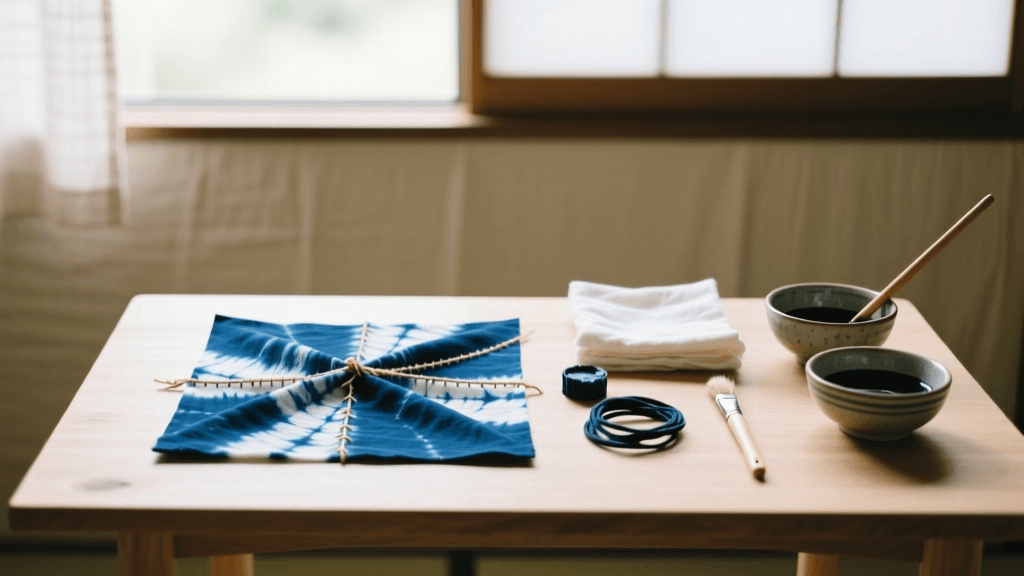
According to archives and historical data maintained by institutions like the Kyoto Costume Institute, the craftsmanship of early-to-mid 20th-century textiles is unparalleled. In 2026, you can source stunning, pre-loved silk kimonos at renowned physical markets like Tokyo's Oedo Antique Market, or through specialized online vintage curators. When shopping mindfully, look for natural dye techniques such as shibori (intricate tie-dye) or yuzen (resist dyeing). A vintage, everyday tsumugi (pongee silk) kimono can be acquired for between ¥15,000 and ¥45,000 ($100 to $300 USD), making it a highly accessible investment in slow fashion. For authenticated, heirloom-quality pieces featuring metallic thread or complex ro (summer gauze) weaves, expect to invest upwards of ¥150,000 ($1,000 USD).
Fast Fashion vs. Mindful Kitsuke: A 2026 Comparison
To truly understand the paradigm shift that kitsuke offers, consider the following comparison between a standard modern morning routine and the mindful kimono dressing practice.
| Metric | Fast Fashion Morning Routine | Mindful Kitsuke Ritual |
|---|---|---|
| Time Investment | 3 to 7 minutes | 25 to 40 minutes |
| Mental State | Rushed, distracted, task-oriented | Grounded, present, meditative |
| Physical Posture | Slouched, erratic movements | Aligned spine, deliberate grace |
| Garment Lifespan | 6 to 12 months (synthetic degradation) | 100+ years (heritage silk/cotton) |
| Environmental Impact | High (microplastics, landfill waste) | Negligible (circular, biodegradable) |
| Cost Per Wear | High (frequent replacement required) | Extremely Low (decades of use) |
Conclusion: Wrapping Yourself in Intention
The kimono is far more than a beautiful relic of Japan's past; it is a vital tool for navigating the complexities of the modern world. By embracing the slow, intentional art of kitsuke, we do more than just preserve a magnificent cultural tradition. We actively choose to slow down, to reject the wasteful cycles of fast fashion, and to prioritize our mental wellbeing. In 2026, true luxury is not found in the speed of consumption, but in the depth of our attention. The next time you feel overwhelmed by the digital noise of the world, consider stepping away from the screen, unrolling a bolt of vintage silk, and wrapping yourself in the quiet, grounding embrace of the kimono.