Komon vs Yukata: 2026 Guide to Everyday Japanese Garments
The Evolution of Everyday Japanese Garments
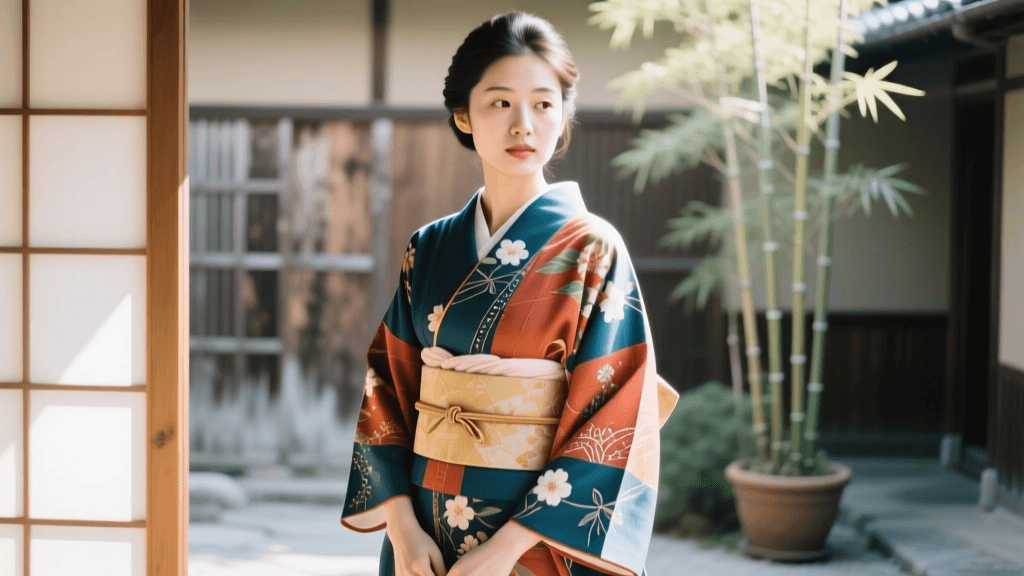
As we navigate the fashion landscape of 2026, the global appreciation for Japanese traditional garments has matured from occasional ceremonial wear into a vibrant, sustainable component of everyday wardrobes. Among the most accessible and versatile pieces in the Japanese sartorial lexicon are the Komon and the Yukata. While both share the iconic T-shaped silhouette, their construction, seasonal applications, and styling rules differ vastly. Whether you are a seasoned collector or a newcomer looking to invest in your first authentic piece, understanding the nuances of these garments is essential for navigating the 2026 market.
The foundational structure of these garments traces back centuries. According to the Metropolitan Museum of Art, the kimono evolved from the kosode of the Muromachi period, eventually becoming the primary garment for all classes by the Edo period. Today, the Komon and Yukata represent the most direct descendants of this everyday wear, adapted for modern life while retaining their historical integrity and cultural significance.
Anatomy and Distinction: Komon vs. Yukata
The Komon: Fine Patterns for Year-Round Elegance
The term Komon translates to 'fine pattern.' Historically, this referred to the intricate, micro-stencil dyeing techniques like Edo Komon, where patterns are so small they appear solid from a distance. In 2026, the definition has broadened to include any kimono featuring a repeating pattern that covers the entire garment without a specific directional flow. Komon are typically made from silk, though the 2026 market has seen a massive surge in high-quality, washable synthetic silks and eco-friendly cupro blends. A Komon is fully lined (or unlined as a hitoe for early summer) and features a wide collar (hiro-eri) that is folded during dressing. It is considered informal but elegant, suitable for theater outings, casual dining, and cultural workshops.
The Yukata: Breathable Cotton for Summer Festivals
Originating as a simple linen bathing robe for the Heian aristocracy, the Yukata is now the undisputed king of Japanese summer fashion. Made almost exclusively from unlined cotton or cotton-linen blends, the Yukata is designed to be breathable and washable. Unlike the Komon, the Yukata features a narrower collar (bachi-eri) and is worn directly against the skin or over a specialized cotton slip (hadajuban). In 2026, textile innovators in Kyoto and Osaka have introduced moisture-wicking organic cotton blends, making the Yukata even more comfortable during the increasingly humid Asian summers.
2026 Sourcing and Pricing Matrix
Sourcing authentic garments in 2026 requires an understanding of both the vintage revival market and contemporary artisan boutiques. Below is a comparative matrix to help you budget and plan your purchases this year.
| Feature | Komon (Everyday Silk/Poly) | Yukata (Summer Cotton) |
|---|---|---|
| Primary Fabric | Silk, Washable Eco-Silk, Polyester | Cotton, Organic Cotton-Linen |
| Lining | Fully lined (Awase) or Unlined (Hitoe) | Strictly Unlined |
| Collar Style | Wide (Hiro-eri) - Folded | Narrow (Bachi-eri) - Sewn |
| Standard Obi | Nagoya Obi | Hanhaba Obi |
| Footwear | Zori with Tabi socks | Geta (Barefoot or specialized socks) |
| 2026 Avg. Retail Price | $250 - $850 USD | $80 - $250 USD |
Kitsuke: Dressing for the 2026 Silhouette
The art of dressing, known as kitsuke, has evolved. While the strict, heavily padded cylindrical silhouette of the late 20th century is still used for formal ceremonies, the 2026 everyday aesthetic favors a softer, more natural drape. When dressing a Komon or Yukata, the goal is to create a beautiful ohashori—the folded tuck at the waist that adjusts the garment's length to fit the wearer perfectly.
Modern kitsuke educators emphasize the importance of the miyatsukuchi, the open slit under the arm on women's garments. In 2026, styling trends encourage leaving this slit slightly visible to allow for better airflow and a more relaxed, dynamic movement. To achieve the modern look, dressers are utilizing stretchable koshihimo (tying sashes) made from recycled elastane, which provide a secure hold without the discomfort and restricted breathing associated with traditional cotton cords. To ensure the obi sits perfectly smooth, a rigid obi-ita board is inserted between the obi layers. In 2026, ventilated mesh obi-ita made from recycled ocean plastics have become the industry standard, preventing sweat buildup during summer festivals.
Essential Accessories and Footwear
No Japanese garment is complete without its accompanying accessories. The obi (sash) is the focal point of the outfit. For a Komon, a Nagoya obi is standard. In 2026, we are seeing a massive trend in upcycled Nagoba obi made from vintage European tapestries and mid-century upholstery fabrics, bridging East Asian and Western design histories. For the Yukata, the Hanhaba obi (half-width sash) is preferred, often tied in playful, intricate knots like the bunko (bow) or the karuta (playing card) style.
Footwear has also seen technological upgrades. Traditional zori and geta (wooden clogs) remain popular, but 2026 collections from heritage makers in Nara feature ergonomic EVA foam cores wrapped in traditional bamboo and rattan. This provides the authentic aesthetic and the signature 'click-clack' sound while offering the arch support required for walking on modern city streets. Additionally, 3D-printed obidome (obi clasps) customized to the wearer's exact measurements have become a popular way to add a personalized, modern touch to a traditional ensemble.
Garment Care and Preservation
Proper maintenance is critical to preserving the value and beauty of your garments. The Victoria and Albert Museum notes that historical textiles require specific environmental controls to prevent degradation, a principle that applies equally to modern collectors. For silk Komon, avoid direct sunlight and store the garment folded in tatou-shi (acid-free paper) inside a paulownia wood chest (tansu), which naturally regulates humidity and repels insects.
Twice a year, typically in the dry, cool days of late autumn and early spring, collectors perform mushiboshi—the traditional practice of airing out textiles. This process allows trapped moisture to escape and gives you the opportunity to inspect the silk for any early signs of foxing or mold. Yukata, being cotton, are much easier to care for. Most 2026 cotton Yukata are machine washable on a gentle cycle using a specialized mesh net and neutral pH detergent. However, they must be hand-stretched while damp to maintain their precise geometric dimensions before being hung to dry in the shade.
For those interested in the highest echelon of traditional dyeing and weaving preservation, the Association for the Promotion of Traditional Craft Industries provides extensive resources on how to identify and care for region-specific textiles, ensuring that your investment supports living artisan communities. By understanding these care protocols, you ensure your garments remain vibrant for generations.
Conclusion
The Komon and Yukata are more than just beautiful garments; they are living artifacts that continue to adapt to the rhythms of modern life. By understanding their distinct characteristics, embracing the sustainable innovations of 2026, and practicing mindful care, you can seamlessly integrate these masterpieces of Asian tradition into your contemporary wardrobe. Whether you are stepping out in a crisp cotton Yukata for a summer fireworks display or wrapping yourself in an elegant silk Komon for an afternoon tea, you are participating in a continuous, evolving cultural dialogue.