Best Hanfu Certification Programs & Workshops Guide 2026
The Evolution of Hanfu Education in 2026
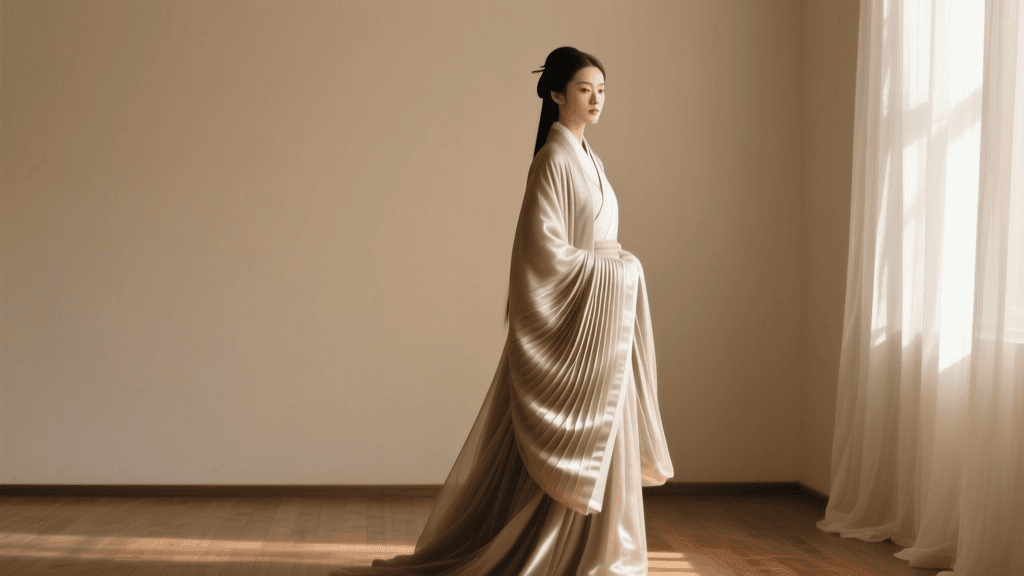
What began as a passionate, grassroots internet subculture two decades ago has officially matured into a highly structured, multi-billion-dollar heritage industry. In 2026, the global market for traditional Han Chinese clothing—commonly known as Hanfu—is no longer driven solely by amateur enthusiasts and hobbyists. Today, it is supported by a robust ecosystem of professional stylists, historical consultants, textile conservators, and bespoke tailors. This professionalization has sparked a massive demand for formal Hanfu education workshops and certification programs.
As documented by foundational cultural reporting from BBC Travel, the initial momentum of the Hanfu revival was rooted in a desire for cultural reconnection. However, the 2026 landscape is defined by commercial and academic rigor. Film studios, cultural tourism boards, and high-end fashion houses now require verified credentials when hiring Hanfu experts. Whether you are looking to drape a Ming dynasty Mamianqun (horse-face skirt) for a period drama or authenticate Song dynasty silk weaves for a museum, formal certification is your gateway to the industry.
Top Hanfu Certification Programs for 2026
Choosing the right educational pathway depends on your career goals, budget, and geographic flexibility. Below are the most prestigious and comprehensive Hanfu certification programs available this year.
1. The Beijing Traditional Dress Association (BTDA) Master Stylist Certification
The BTDA program remains the gold standard for in-person, rigorous historical training. Located in the cultural heart of China, this intensive 12-week workshop focuses heavily on the Tang, Song, and Ming dynasties. Students learn the precise mathematics of traditional flat-pattern cutting, where garments are constructed without darts, relying entirely on the drape of the fabric and the wearer's posture.
- Focus: Historical accuracy, bespoke tailoring, and dynastic silhouette distinctions.
- Format: In-person, full-time immersive workshop.
- 2026 Tuition: $1,450 USD (includes access to the BTDA textile archive and basic silk materials).
- Prerequisites: Intermediate sewing skills and a basic understanding of Chinese history.
2. Global Hanfu Online Academy (GHOA) Digital & E-Commerce Track
For international students and digital entrepreneurs, the GHOA offers a fully remote certification that bridges historical knowledge with modern 2026 e-commerce realities. This program is uniquely tailored for those who want to open online Hanfu boutiques, manage social media styling, or use 3D digital draping software like CLO 3D v2026 to prototype historical garments for global manufacturers.
- Focus: Modern styling, digital pattern prototyping, e-commerce merchandising, and global supply chain sourcing.
- Format: Online, self-paced with weekly live masterclasses.
- 2026 Tuition: $550 USD.
- Prerequisites: None; suitable for beginners and fashion tech enthusiasts.
3. Suzhou Heritage Textile & Weaving Conservatory
Located in the historic silk capital of Suzhou, this elite workshop is designed for textile purists. The curriculum dives deep into the creation and identification of heritage fabrics, including the highly prized Xiangyunsha (gambiered Canton gauze) and traditional Song brocade (Songjin). Students learn the natural, eco-friendly dyeing methods and the complex loom techniques that define authentic Hanfu textiles.
- Focus: Textile science, natural dyeing, loom weaving, and fabric authentication.
- Format: In-person, hybrid (4 weeks in Suzhou, 2 weeks remote research).
- 2026 Tuition: $3,200 USD (includes rare silk samples and loom time).
- Prerequisites: Background in fashion design, textile arts, or museum conservation.
Core Curriculum: What You Will Master
Regardless of the institution, reputable 2026 Hanfu certification programs enforce a strict baseline of historical and technical knowledge. The evolution of Chinese dress, as archived by The Metropolitan Museum of Art, highlights the profound philosophical and social meanings embedded in every seam and fold. Modern certification exams test students on the following core competencies:
The Rule of Jiaoling Youren
The most fundamental rule of Hanfu is Jiaoling Youren—the cross-collar wrapping left over right (meaning the right side of the garment is crossed over the left and tied on the right). Reversing this (left over right) is historically reserved for the deceased. Certification exams include practical draping tests where a single mistake in collar alignment results in an automatic failure.
Mamianqun Pleating Mathematics
The Mamianqun, or horse-face skirt, is a staple of Ming dynasty dress and a massive trend in 2026 modern streetwear. Students must learn to calculate the precise width of the flat front and back panels, alongside the intricate knife-pleats on the sides, ensuring the skirt lays perfectly flat when standing but flares dynamically when walking.
Textile Authentication
With the market flooded with synthetic blends masquerading as heritage silk, certified professionals must pass a blind touch-and-burn test to identify authentic mulberry silk, linen, and ramie, distinguishing them from modern polyester substitutes.
2026 Workshop Comparison Chart
| Program Name | Format | Primary Focus | 2026 Cost (USD) | Duration |
|---|---|---|---|---|
| BTDA Master Stylist | In-Person (Beijing) | Historical Tailoring & Draping | $1,450 | 12 Weeks |
| GHOA Digital Track | Online (Global) | E-Commerce & 3D Prototyping | $550 | 8 Weeks |
| Suzhou Conservatory | Hybrid (Suzhou) | Textile Science & Weaving | $3,200 | 6 Weeks |
| Chengdu Tourism Guide | In-Person (Chengdu) | Cultural Tourism & Styling | $800 | 4 Weeks |
Career Opportunities for Certified Professionals
Earning a Hanfu certification in 2026 opens doors to a variety of lucrative and culturally significant career paths. The commercialization of the movement, initially noted by market analysts at Reuters during its early boom, has now stabilized into permanent industry roles.
Film and Television Historical Consulting
Streaming platforms and major film studios are under immense pressure from audiences to ensure historical accuracy in period dramas. Certified Hanfu consultants are hired to oversee costume departments, ensuring that fabric choices, color palettes, and draping methods align with the specific dynasty being portrayed.
Cultural Tourism and Immersive Experiences
Cities like Xi'an, Luoyang, and Chengdu have built massive tourism economies around immersive historical districts. Certified stylists manage high-end Hanfu rental studios, offering tourists historically accurate makeovers, complete with dynasty-specific hairstyles and authentic accessory pairings.
Bespoke Studio Ownership
For those with tailoring certifications, opening a bespoke Hanfu atelier is highly profitable. Modern clients frequently commission traditional garments for weddings, tea ceremonies, and coming-of-age ceremonies (Guan Li and Ji Li), demanding the same level of luxury and customization as Western bridal wear.
Actionable Steps to Enroll and Prepare
If you are planning to enroll in a Hanfu certification program this year, follow these actionable steps to ensure you are accepted and prepared for the rigorous curriculum:
- Build a Foundational Portfolio: Even if you are a beginner, document your current sewing, draping, or styling attempts. For the GHOA digital track, create a mood board utilizing 3D rendering or historical research.
- Invest in Proper Tools: Traditional Hanfu tailoring requires specific tools. Purchase a heavy-duty tailor's chalk, traditional bamboo rulers, and high-quality silk pins. For digital students, ensure your hardware meets the 2026 system requirements for CLO 3D or Marvelous Designer.
- Study the Terminology: Familiarize yourself with Pinyin terminology for garment parts (e.g., Yuanling for round collar, Jiaoling for cross collar, Pibo for the draped silk scarf). This will drastically reduce your learning curve during the first week of classes.
- Secure Material Sourcing Contacts: Start building relationships with verified silk suppliers in Hangzhou and Suzhou before your course ends, as your final certification project will likely require sourcing authentic materials.
Conclusion
The Hanfu movement has transcended its origins to become a cornerstone of global Asian fashion heritage. By investing in a formal education workshop or certification program in 2026, you are not just learning how to drape fabric; you are becoming a certified custodian of centuries of textile artistry, philosophy, and cultural identity. Whether you choose the rigorous tailoring halls of Beijing or the digital e-commerce classrooms of the GHOA, your certification will serve as a passport to a thriving, respectful, and deeply rewarding industry.