Styling Ceremonial vs Everyday Kimono & Hanbok 2026
The 2026 Renaissance of Asian Traditional Wear
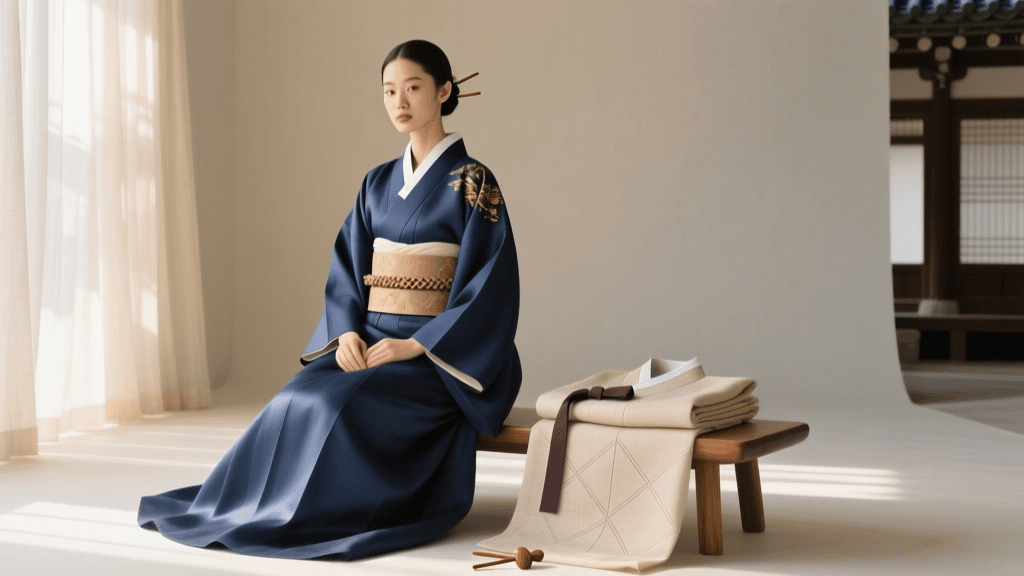
As we navigate the global fashion landscape of 2026, the dichotomy between ceremonial and everyday traditional Asian garments has never been more dynamic. The modern wardrobe is no longer forced to choose between strict historical preservation and contemporary practicality. Instead, a new wave of textile innovation, sustainable sourcing, and modern styling has bridged the gap. For enthusiasts and newcomers alike, understanding the functional and aesthetic differences between everyday wear and ceremonial attire is crucial for building an authentic, versatile collection. This guide breaks down the structural, financial, and stylistic differences between Japanese kimono and Korean hanbok in 2026, offering actionable advice on measurements, fabric care, and modern integration.
Japanese Kimono: From Komon to Kurotomesode
The kimono remains a cornerstone of Japanese cultural expression. In 2026, the divide between casual wear and formal attire is defined by fabric weight, pattern repetition, sleeve length, and the presence of family crests (kamon). The modern kimono market has seen a surge in washable silks and ergonomic tailoring, making everyday wear more accessible than ever.
Everyday Kimono (Komon & Tsumugi)
For daily wear, cafe visits, or casual cultural events, the Komon (fine pattern) and Tsumugi (pongee silk) are the undisputed champions. Komon features small, repeating patterns that are directionless, making them forgiving to wrap and tie. Tsumugi, woven from uneven silk threads, offers a rustic, matte texture that is highly breathable. In 2026, artisan workshops in Kyoto and Kanazawa are producing Tsumugi blended with lab-grown spider silk, increasing the tensile strength of the garment by 40% while maintaining the traditional slubbed texture. Styling a Komon in 2026 often involves pairing it with a minimalist, solid-color hanhaba obi (half-width belt) and ergonomic, 3D-printed zori sandals that provide arch support for all-day wear on city streets.
Ceremonial Kimono (Furisode & Kurotomesode)
Ceremonial kimono demand reverence, strict dressing protocols (kitsuke), and significant financial investment. The Furisode, characterized by its floor-sweeping sleeves (up to 114cm long), is the pinnacle of formal wear for unmarried women, often seen at Coming of Age ceremonies and weddings. For married women, the Kurotomesode (black crepe silk with patterns only below the waist and five family crests) is the ultimate formal garment. According to archival textile guidelines from the Kyoto National Museum, the structural integrity and heavy brocade weaving (Nishijin-ori) of these ceremonial pieces require specialized handling. In 2026, a custom, hand-painted Furisode from a master artisan in Kyoto will cost between ¥450,000 and ¥800,000 ($3,000 to $5,400 USD), excluding the intricate maru obi and accessories required to complete the silhouette.
Korean Hanbok: Gaeryang vs. Traditional Hwalot
The Korean hanbok has undergone a massive transformation over the last decade, culminating in the vibrant streetwear and high-fashion scenes of 2026. The traditional silhouette—characterized by the voluminous chima (skirt) and the cropped jeogori (jacket)—is now interpreted through two distinct lenses: the modernized everyday Gaeryang hanbok and the historically rigorous ceremonial garments.
Everyday Modern Hanbok (Gaeryang)
The Gaeryang Hanbok (improved/modified hanbok) is designed for the fast-paced lifestyle of 2026. Designers have shortened the chima to midi or knee-length, eliminated the restrictive traditional tying methods in favor of hidden elastic waistbands and side zippers, and introduced machine-washable cotton-linen blends. Brands dominating the 2026 market are utilizing sustainable ramie (mosi) and upcycled polyester blends that mimic the sheen of silk without the delicate care requirements. Priced accessibly between ₩80,000 and ₩150,000 ($60 to $115 USD), everyday hanbok is frequently styled with contemporary minimalist outerwear, such as oversized linen blazers or cropped denim jackets, creating a striking juxtaposition of old and new.
Ceremonial Hanbok (Hwalot & Wonsam)
Ceremonial hanbok, such as the bridal Hwalot or the courtly Wonsam, are masterpieces of symbolic embroidery and heavy silk construction. The Hwalot is famously adorned with intricate embroidery of peonies, butterflies, and lotus flowers, symbolizing longevity and fertility. The Wonsam features expansive, floor-length sleeves with horizontal color banding (hansam). The National Museum of Korea notes that the silhouette and symbolic color theory (obangsaek) of these garments have remained remarkably consistent since the Joseon Dynasty, though 2026 artisans are now using eco-friendly, plant-based dyes that offer unprecedented colorfastness. A bespoke ceremonial Hwalot in 2026 requires up to six months of loom time and embroidery, with prices starting at ₩2,500,000 ($1,900 USD) and easily exceeding ₩10,000,000 for museum-grade replicas.
Comparison Chart: Ceremonial vs. Everyday Garments
| Feature | Everyday Kimono (Komon) | Ceremonial Kimono (Furisode) | Everyday Hanbok (Gaeryang) | Ceremonial Hanbok (Hwalot) |
|---|---|---|---|---|
| Primary Fabric (2026) | Washable Silk Blends, Tsumugi | Heavy Silk Crepe, Brocade | Cotton-Linen, Sustainable Ramie | Raw Silk, Organza, Satin |
| Sleeve Length | Standard (approx. 49cm drop) | Floor-sweeping (up to 114cm) | Standard wrist or 3/4 length | Extended with Hansam (white cuffs) |
| Fastening Method | Obi belt, Obijime cord | Maru Obi, multiple tie cords | Hidden zippers, elastic, snap ties | Traditional long front ties (Goreum) |
| 2026 Avg. Retail Price | ¥30,000 - ¥80,000 | ¥450,000 - ¥800,000+ | ₩80,000 - ₩150,000 | ₩2,500,000 - ₩10,000,000+ |
| Maintenance | Home machine wash (cold, gentle) | Professional ozone dry-cleaning only | Machine wash or steam refresh | Specialist textile conservation |
2026 Fabric Care and Maintenance
The intersection of traditional textiles and modern technology has revolutionized garment care in 2026. For ceremonial silk garments that cannot be exposed to water, professional cleaners now utilize advanced ozone treatment chambers. This process neutralizes odors, kills bacteria, and removes microscopic particulates without the harsh chemical degradation associated with mid-2010s perchloroethylene dry cleaning. Furthermore, traditional sericulture and weaving techniques, many of which are protected under UNESCO's Intangible Cultural Heritage frameworks, are seeing a resurgence thanks to AI-driven climate-control wardrobes. These smart-storage units maintain a strict 55% humidity and 18°C (64°F) environment, preventing the yellowing and silk-rot that historically plagued vintage kimono and hanbok collections.
For everyday garments, the 2026 standard is "steam and refresh." Handheld smart-steamers equipped with UV-C light sanitizers allow wearers to de-wrinkle a cotton Gaeryang hanbok or a Tsumugi kimono in under three minutes, eliminating the need for frequent washing and preserving the structural integrity of the seams.
Sourcing, Measurements, and Pricing
Ordering traditional garments requires an understanding of non-Western measurement systems. For a kimono, the most critical measurement is the Yuki (arm span). Unlike Western sleeve lengths measured from the shoulder seam, the Yuki is measured from the center of the back of the neck, across the shoulder, and down to the wrist bone. In 2026, a standard custom Yuki ranges from 64cm to 68cm for women. If the Yuki is too short, the garment will look ill-fitting and restrict movement; if too long, the excess fabric must be folded and tucked into the obi, which is only appropriate for casual wear.
For the hanbok, the Chima length is paramount. For an everyday Gaeryang hanbok, measure from the natural waist (or slightly above the bust for traditional high-waisted styles) down to the mid-calf. For ceremonial wear, the measurement must extend to the floor, requiring the wearer to account for the height of traditional kkotsin (shoes) or modern heels to prevent tripping. When sourcing in 2026, buyers are increasingly turning to direct-to-consumer artisan cooperatives in cities like Jeonju (Korea) and Kanazawa (Japan), bypassing luxury markup while ensuring that the weavers receive fair, transparent compensation via blockchain-verified provenance tags embedded in the garment's inner lining.
Accessories and Footwear: Completing the 2026 Look
No traditional outfit is complete without its accompanying accessories. For the kimono, the obijime (decorative cord) and obidome (brooch) offer a canvas for personal expression. In 2026, 3D-printed resin obidome featuring customizable, interchangeable geometric inserts are highly popular among younger demographics. Footwear has also evolved; traditional lacquered wood geta are now frequently fitted with shock-absorbing silicone inserts, making them viable for navigating paved urban environments without foot fatigue.
In the realm of hanbok, the norigae (decorative pendant tied to the goreum or skirt waist) remains a vital status and aesthetic marker. Modern 2026 norigae designs often incorporate modular elements, allowing the wearer to swap out heavy jade or amber drops for lightweight, contemporary acrylic or recycled metal charms depending on the occasion. Additionally, the daenggi (hair ribbon) has seen a revival, with magnetic-closure silk ribbons replacing the complex traditional tying methods, making intricate hairstyles accessible to anyone in minutes.
Conclusion: Building a Mindful Wardrobe
The year 2026 represents a golden age for Asian traditional garments, where the boundary between museum preservation and daily life is beautifully blurred. By understanding the distinct roles, fabrics, and care requirements of ceremonial versus everyday kimono and hanbok, collectors and wearers can make informed, respectful, and stylish choices. Whether you are investing in a heavy silk Hwalot for a once-in-a-lifetime ceremony or slipping into a breathable, machine-washable Komon for a weekend art gallery visit, the rich tapestry of Asian textile history is more accessible, durable, and vibrant today than ever before.