Cheongsam in 2026 Global Fashion Media: Runway Trends
The Evolution of the Cheongsam in Global Fashion Media
The intersection of Asian traditional garments and Western fashion media has historically been a complex landscape, occasionally fraught with misrepresentation and superficial exoticism. However, as we navigate the Spring and Summer 2026 fashion cycles, a profound and necessary paradigm shift is evident across global editorials, runway reviews, and luxury brand campaigns. The cheongsam, also widely known as the qipao, has emerged not merely as a source of orientalist inspiration, but as a masterclass in structural tailoring and heritage textile preservation. Leading fashion publications are now prioritizing authentic storytelling, crediting regional artisans, and exploring the deep sartorial history of East Asia with the academic rigor it deserves.
In 2026, the global fashion media landscape is actively dismantling the monolithic view of Asian dress. Instead of treating the cheongsam as a costume, top-tier editors and creative directors are engaging directly with master tailors in Shanghai, Suzhou, and Guangzhou. This collaborative approach has resulted in editorial spreads that highlight the intricate mechanics of the garment, from the precise geometry of the pianjin (side panel) to the symbolic weight of traditional embroidery. As noted by cultural historians and documented in the comprehensive archives of The Metropolitan Museum of Art's Heilbrunn Timeline of Art History, the evolution of Chinese dress is a testament to dynamic cultural exchange, a narrative that 2026 fashion media is finally equipped to tell accurately.
The 2026 Media Paradigm: Authenticity Over Exoticism
In previous decades, global fashion magazines frequently utilized the cheongsam as a visual shorthand for mystery or exoticism, often stripping the garment of its cultural and historical context. Today, the editorial guidelines at major publications have evolved significantly. The 2026 issues of prominent fashion monthlies are featuring extensive interviews with heritage textile weavers and third-generation tailors. This shift from appropriation to authentic appreciation is heavily driven by a more educated global consumer base that demands transparency regarding cultural heritage and sustainable craftsmanship.
Recent editorial features have heavily spotlighted the revival of xiangyunsha (gambiered Canton silk), a highly prized, mud-dyed silk that requires weeks of manual labor and specific climatic conditions to produce. Fashion critics are no longer just reviewing the silhouette of a garment; they are reviewing the supply chain and the artisanal lineage. According to extensive cultural reporting by the South China Morning Post, the modern qipao has continually served as a powerful symbol of evolving womanhood and modernity, a narrative that Western media is now amplifying rather than overshadowing. By centering the voices of Asian designers and historians, the 2026 media cycle has transformed the cheongsam into a benchmark for ethical luxury and cross-cultural respect.
Deconstructing the 2026 Runway Silhouettes
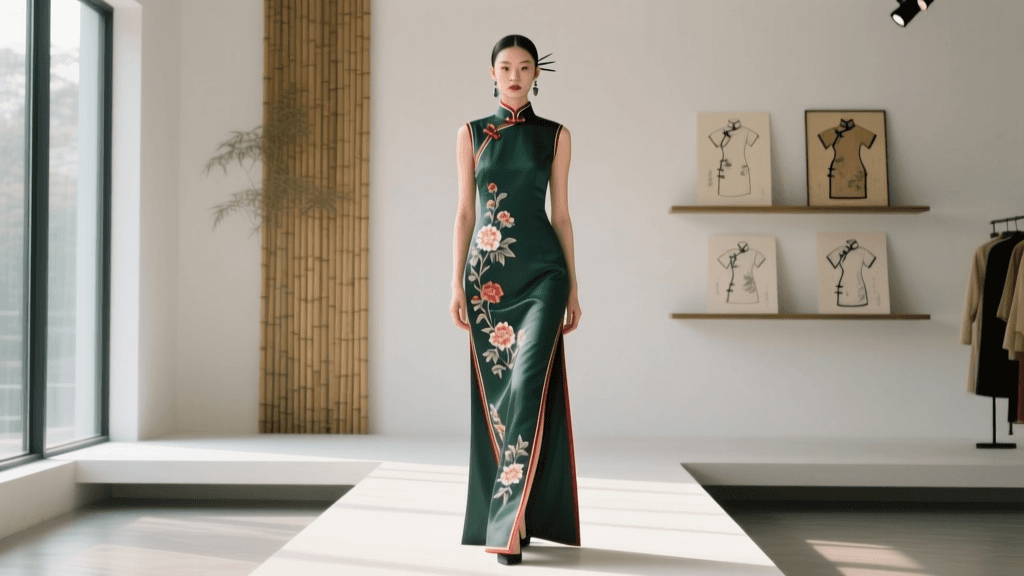
The 2026 runway shows in Paris, Milan, and Shanghai have showcased a remarkably mature approach to the garment's architecture. Rather than relying on the hyper-sexualized, skin-tight iterations popularized by mid-century cinema, contemporary designers are returning to the structural elegance of the 1930s and 1940s, while infusing modern sartorial sensibilities. The 2026 collections emphasize fluid draping, dropped shoulders, and innovative fabric manipulations that allow for greater mobility without sacrificing the iconic mandarin collar (yuanling) or the signature frog fasteners (pankou).
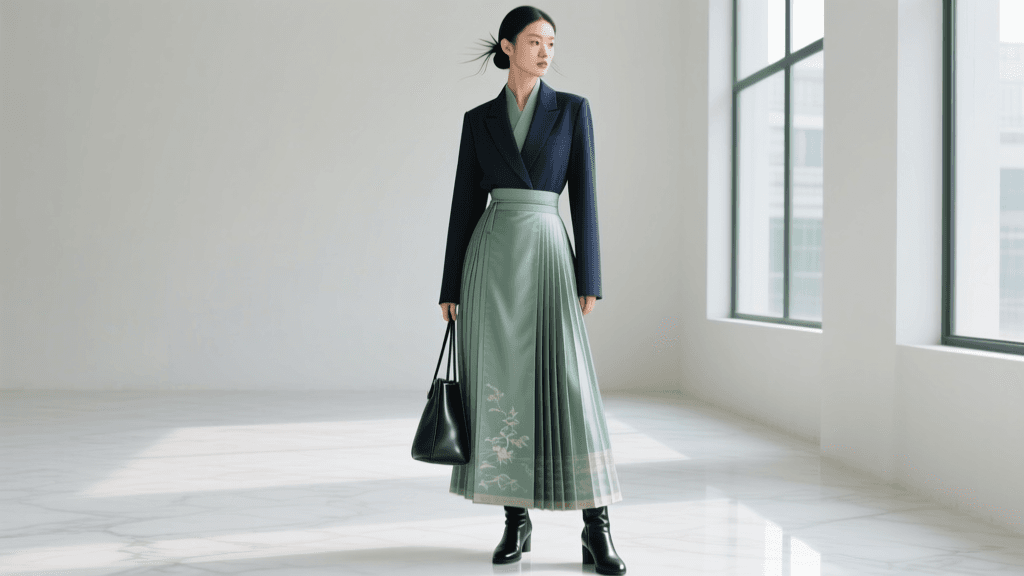
Fashion critics have praised the use of asymmetrical hemlines and the integration of modular elements, such as detachable silk overlays and adjustable side slits that cater to diverse body types and modern, active lifestyles. Furthermore, the styling on the 2026 runways has moved away from overly traditional accessories. Instead, models are seen pairing heritage silk cheongsams with utilitarian footwear, oversized tailored blazers, and minimalist architectural jewelry, signaling a deliberate integration of the garment into the contemporary global wardrobe.
Comparative Analysis: Traditional vs. 2026 Editorial Adaptations
To understand how global fashion media is framing the cheongsam this year, it is essential to compare the historical baseline with the current editorial adaptations. The following table outlines the key shifts in design and styling as featured in top-tier 2026 fashion publications.
| Garment Feature | Traditional 1930s Shanghai Qipao | 2026 Global Editorial Adaptation |
|---|---|---|
| Silhouette & Fit | Form-fitting, tailored to restrict movement slightly to emphasize a demure posture. | Relaxed ease through the torso, dropped armholes, and A-line variations for dynamic movement. |
| Fasteners (Pankou) | Functional, intricately knotted silk frogs running from collar to side slit. | Often decorative or concealed; magnetic closures used for ease, with exaggerated sculptural frogs as focal points. |
| Textiles | Heavy brocades, printed crepe de chine, and traditional floral jacquards. | Organic peace silks, xiangyunsha, upcycled deadstock, and sheer technical organzas layered over opaque bases. |
| Styling Context | Worn as a complete, standalone dress with matching silk slippers and jade jewelry. | Layered over turtlenecks, worn as a tunic over wide-leg trousers, or paired with utilitarian leather boots. |
Actionable Styling: Integrating Media Trends into Daily Wear
For enthusiasts and collectors looking to adopt the 2026 editorial trends, integrating a traditional garment into a modern wardrobe requires a balance of respect and personal expression. The global fashion media consensus this year champions versatility and comfort. Here are actionable styling guidelines and tailoring measurements to consider when commissioning or purchasing a contemporary cheongsam:
- The Tunic Approach: Opt for a knee-length or mid-thigh cheongsam with a slightly flared skirt. Pair this with high-waisted, wide-leg Japanese selvedge denim or tailored Italian wool trousers. This styling method, heavily featured in recent Parisian street style coverage, respects the garment's modesty while grounding it in contemporary casual wear.
- Mastering the Measurements: When commissioning a bespoke piece, instruct your tailor to leave at least 2 to 3 centimeters of ease at the bust and waist. The historical skin-tight fit is largely abandoned in 2026 high fashion in favor of structural breathing room, which prevents the delicate silk from pulling and tearing at the seams.
- Collar Modifications: The traditional stiff mandarin collar can be restrictive for all-day office wear. Request a 'Shanghai collar' variation, which is slightly lower (around 2.5 cm instead of the traditional 4 cm) and cut with a subtle curve at the back of the neck to prevent chafing and accommodate modern neck movements.
- Contrast Layering: For autumn and winter, layer a sleeveless or short-sleeved cheongsam over a fitted, ribbed merino wool turtleneck. This not only provides warmth but also creates a striking visual contrast between the matte wool and the lustrous silk, a technique championed by leading fashion editors this season.
Sourcing and Caring for Media-Darling Garments
As global fashion media continues to elevate the status of the cheongsam, sourcing authentic, high-quality pieces has become a priority for conscious consumers. The market in 2026 offers a spectrum of options, from accessible contemporary brands to investment-level artisanal commissions. Brands like Shanghai Tang continue to offer modernized, ready-to-wear interpretations that align with current corporate styling trends, with entry-level silk-blend pieces starting around $450 USD.
For those seeking the ultimate luxury highlighted in exclusive editorial spreads, commissioning a bespoke xiangyunsha cheongsam directly from master artisans in the Guangdong province is the gold standard. These investment pieces typically range from $1,500 to over $4,000 USD, reflecting the intensive, weather-dependent dyeing process and the hand-stitched pankou detailing. When investing in such heritage textiles, proper care is paramount. Xiangyunsha and delicate Suzhou embroideries should never be machine washed or aggressively wrung. Instead, they require professional dry cleaning by specialists familiar with Asian heritage textiles, or gentle hand-washing in cool water with a pH-neutral silk detergent.
Storage is equally critical. Never hang a heavy, beaded, or bias-cut silk cheongsam on a wire or thin wooden hanger, as the weight of the garment will distort the shoulder seams and stretch the delicate fabric. Instead, store the garment flat in a breathable cotton garment bag, layered with acid-free tissue paper to prevent permanent creasing along the folds. By understanding both the historical significance and the modern care requirements of the cheongsam, consumers can participate in the 2026 fashion narrative with the reverence and sophistication it demands. As highlighted in deep-dive historical retrospectives by Vogue, the qipao is not a static relic of the past, but a living, breathing garment that continues to evolve alongside the women who wear it and the global culture that admires it.