Starting a Kimono Rental Shop: The Ultimate Business Guide
The Rise of Experiential Tourism in Japan
Japan's tourism industry has experienced a monumental resurgence, shifting from traditional sightseeing to deeply immersive, experiential travel. At the heart of this cultural exchange is the kimono rental business. According to data and travel initiatives highlighted by the Japan National Tourism Organization, international visitors are increasingly seeking hands-on cultural activities, with traditional garment rentals ranking among the top requested experiences in historical hubs like Kyoto, Kamakura, and Tokyo's Asakusa district. Starting a kimono rental shop is not merely a retail venture; it is a hospitality and cultural ambassadorship business that requires a delicate balance of textile knowledge, operational efficiency, and customer service.
Strategic Location Selection
Location is the single most critical factor in the success of a kimono rental shop. Your target demographic consists primarily of tourists who want to wear traditional garments near iconic, photogenic backdrops. In Kyoto, districts like Higashiyama (near Kiyomizu-dera) and Arashiyama are prime real estate. In Tokyo, the streets surrounding Senso-ji Temple in Asakusa or the shrines of Kamakura offer massive foot traffic. When negotiating commercial leases, prioritize ground-floor spaces with high visibility. A shop size of 40 to 60 square meters is generally sufficient to accommodate a reception area, a retail display for accessories, and a dedicated dressing room (kitsuke-shitsu) capable of handling 10 to 15 customers simultaneously during peak weekend hours.
Building Your Inventory: Beyond the Outer Garment
Novice entrepreneurs often underestimate the complexity of a kimono 'set.' You are not simply renting out a piece of fabric; you are providing an entire structural wardrobe. A standard rental package must include the following components to ensure a proper, comfortable fit:
- Hadajuban and Susoyoke: The cotton undergarments and slip worn directly against the skin to absorb sweat and protect the outer silk.
- Nagajuban: The inner robe that provides the collar structure visible at the neckline.
- Kimono or Yukata: The primary outer garment. For summer, breathable cotton yukata are essential; for spring and autumn, polyester-blend komon (casual patterned kimono) are preferred for their durability and ease of cleaning.
- Koshihimo and Datejime: The cotton tying cords and stiff sashes used to secure the garments in place before the obi is tied.
- Obi and Obi Accessories: The sash itself, plus the obi-ita (front board), obi-makura (back pillow), obi-age (silk top scarf), and obi-jime (decorative cord).
- Footwear and Bags: Zori (sandals), tabi (split-toe socks), and a kinchaku (drawstring bag).
Sourcing these items requires establishing relationships with wholesale textile markets in Tokyo's Nihonbashi or Kyoto's Nishijin district. Many modern rental shops opt for high-quality washable polyester kimono for their daily fleet, reserving authentic silk and vintage pieces for premium VIP packages.
The Sizing Dilemma: Accommodating Global Body Types
Traditional Japanese garments are historically tailored for a relatively narrow range of body types, typically fitting women between 155 cm and 162 cm in height. The back length (mitake) and sleeve length (yuki) are fixed. For a kimono rental shop catering to international tourists, sizing is your biggest operational hurdle. To accommodate taller or plus-sized guests, you must stock specialized 'tall-size' and 'plus-size' garments. Furthermore, your dressing staff must be trained in modern styling techniques, such as the 'ankle-length' style for taller women, or utilizing stretch-fabric two-piece kimono sets that offer greater flexibility across diverse body shapes without compromising the traditional silhouette.
Financial Projections and Inventory Investment
The initial capital expenditure for inventory is significant, but the return on investment per garment is exceptionally high if managed correctly. Below is a breakdown of estimated wholesale costs versus daily rental pricing for a standard tourist-focused shop.
| Garment / Set Type | Wholesale Cost (JPY) | Daily Rental Price (JPY) | Break-Even Point (Rentals) |
|---|---|---|---|
| Summer Yukata Set (Cotton) | 6,000 | 3,500 | 2 rentals |
| Komon Set (Polyester Blend) | 18,000 | 5,500 | 4 rentals |
| Premium Silk Furisode Set | 120,000 | 15,000 | 8 rentals |
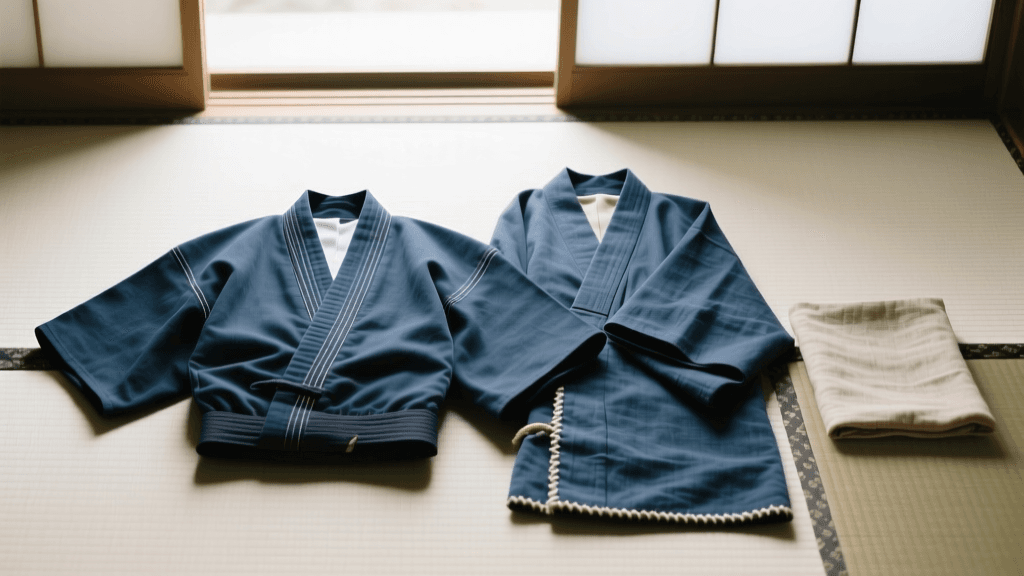
| Hakama Set (Graduation Style) | 25,000 | 7,000 | 4 rentals |
| Accessories (Zori, Tabi, Bags) | 3,500 | Included in Set | N/A (Consumables) |
Note: Tabi socks are typically given to the customer to keep for hygiene reasons and must be factored into the cost of goods sold (COGS) at roughly 800 JPY per pair.
Shop Layout and the Kitsuke Workflow
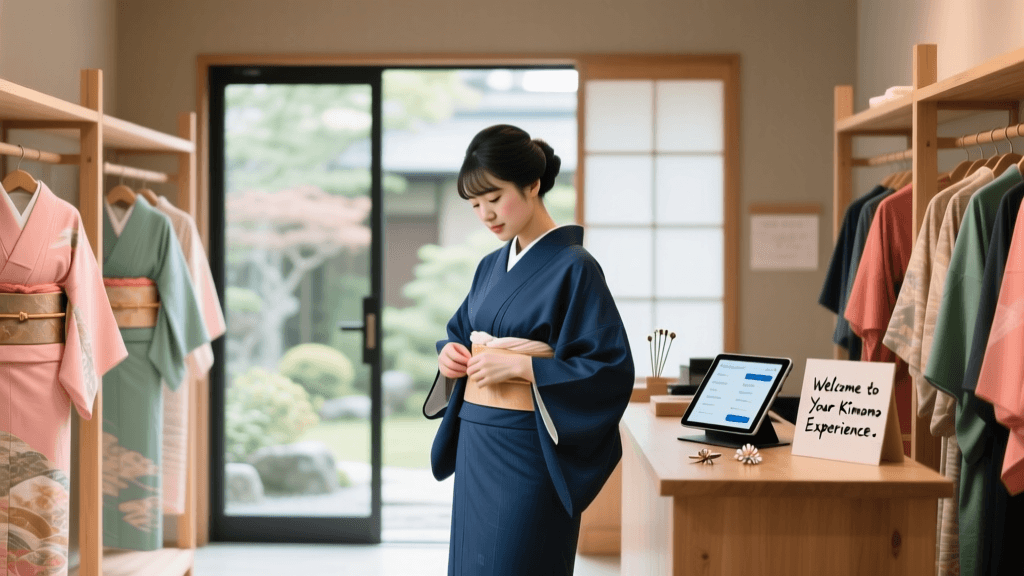
The physical layout of your shop must be optimized for the 'kitsuke' (dressing) workflow. During peak seasons like cherry blossom (sakura) or autumn foliage (koyo), a shop can process over 100 customers a day. You need a minimum of 4 to 6 dressing stations. Each station requires a full-length mirror, a sturdy stool for the customer to sit on while the dresser secures the lower half of the garment, and adequate overhead lighting. Crucially, the shop's HVAC system must be industrial-grade. Dressers are performing physical labor, and customers are wearing multiple layers; a poorly cooled shop in July will lead to heat exhaustion and negative reviews. Install a dedicated 'cooling zone' where customers can wait and take photos before heading out into the heat.
Staffing, Training, and Time Management
Your most valuable assets are your kitsuke-shi (kimono dressers). A highly skilled dresser can complete a full kimono and obi fitting in 12 to 15 minutes. In a high-volume rental shop, speed and consistency are paramount. You will need to hire a mix of certified kimono instructors for quality control and fast-trained assistants for basic yukata fittings and hair styling. Offering optional hair-setting services (hair pins, braids, and traditional ornaments) is a massive revenue driver, often yielding profit margins of over 80% since it requires only a stylist's time and inexpensive decorative accessories.
Garment Care, Maintenance, and Cultural Preservation
Maintaining the pristine condition of your inventory is vital. Traditional silk requires specialized care. You must partner with a local 'shimi-nuki' (traditional stain removal) artisan. Furthermore, as noted by the Agency for Cultural Affairs, Government of Japan, the preservation of traditional textile crafts is a matter of national heritage. By sourcing and maintaining authentic regional textiles—such as Kaga-yuzen from Ishikawa or Oshima-tsumugi from Kagoshima—and educating your tourists about these crafts, your shop elevates from a simple tourist trap to a center of cultural appreciation. Implement an RFID tagging system inside the lining of your high-end garments to track rental cycles, manage dry-cleaning schedules, and prevent inventory loss.
Digital Marketing and Multilingual Operations
To capture the international market, your digital footprint must be flawless. Tourists book kimono rentals weeks before their flights. Your website must support English, Simplified Chinese, and Korean, featuring a robust, real-time booking engine that allows customers to select their time slot, garment tier, and hair styling options. Social media is your primary marketing engine. Create 'Instagrammable' spots inside your shop with professional ring lights and traditional backdrops like wagasa (oil-paper umbrellas) and shoji screens. Encourage user-generated content by offering a small discount on accessories if customers tag your shop on TikTok or Instagram. Finally, establish B2B partnerships with local ryokan (traditional inns), boutique hotels, and travel agencies to secure a steady stream of referrals.
Conclusion
Starting a kimono rental shop is a highly rewarding venture that bridges the gap between ancient Japanese aesthetics and modern global tourism. By investing in comprehensive inventory, optimizing your shop's dressing workflow, and treating every customer interaction as a cultural exchange, you can build a highly profitable business that leaves a lasting, beautiful impression on visitors from around the world.