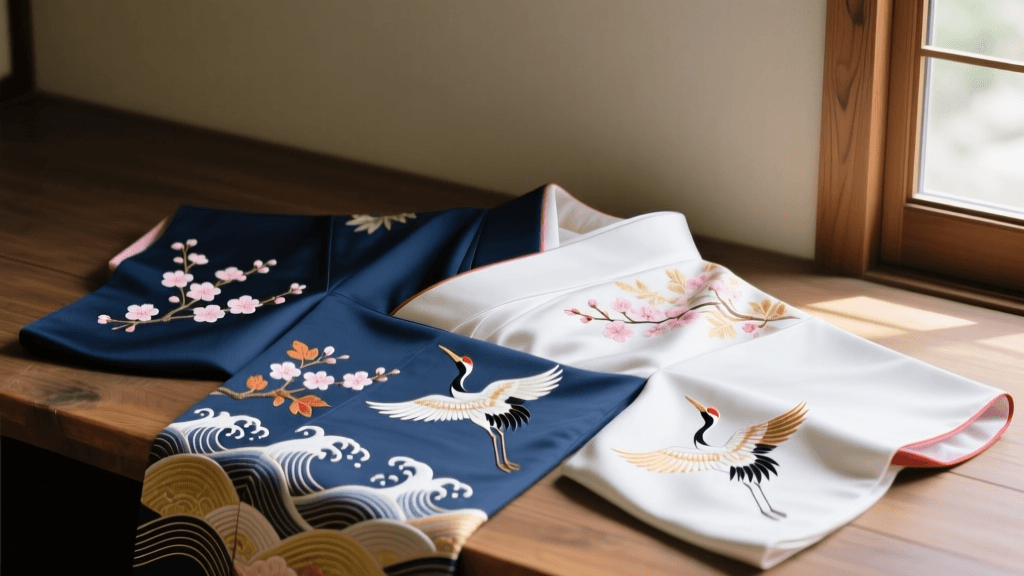
Styling Vintage Silk Kimono Haori with Streetwear in 2026

The Heritage Fusion Movement of 2026
As we navigate the global fashion landscape of 2026, the boundary between historical ceremonial wear and contemporary daily fashion has completely dissolved. The 'heritage fusion' movement has taken over streetwear capitals from Harajuku to Brooklyn, with traditional Asian garments being recontextualized for modern urban life. Among the most versatile and striking pieces leading this charge is the haori—the traditional Japanese hip- or thigh-length kimono-style jacket. Once worn primarily over kimonos for warmth and formality, the vintage silk haori has become the ultimate statement layering piece for modern streetwear enthusiasts.
Unlike the full kimono, which requires complex wrapping, obi tying, and specific undergarments, the haori is inherently designed as an open-front jacket. This structural simplicity makes it remarkably easy to integrate into a 2026 wardrobe built around oversized silhouettes, techwear, and premium denim. According to the Metropolitan Museum of Art, the haori evolved from practical surcoats worn by samurai to highly decorated garments favored by wealthy merchants during the Edo period, showcasing a historical precedent for using the garment as a canvas for personal expression and status.
Anatomy of a Streetwear-Ready Haori
Before mixing a haori with modern apparel, it is crucial to understand the garment's anatomy and how its traditional features translate to contemporary styling. When sourcing vintage pieces, pay close attention to the fabric weave and the condition of the interior lining.
Fabric Weights and Drape
Vintage haori are typically crafted from either chirimen (silk crepe) or rinzu (silk damask/satin). For streetwear, chirimen is often preferred due to its matte finish, heavier drape, and textured surface, which pairs beautifully with rugged modern fabrics like canvas and denim. Rinzu, with its glossy, raised patterns, leans slightly more formal and is best reserved for minimalist, high-fashion pairings. The interior lining, or hakkake, often features hidden, intricate paintings or woven motifs—a detail that shines when the jacket catches the wind or when the sleeves are pushed up.
Hardware Swaps: Modernizing the Haori Himo
Traditionally, a haori is secured at the front using a braided silk cord called a haori himo. In 2026 streetwear styling, retaining the traditional himo can sometimes look overly costumey when paired with sneakers and cargo pants. A popular modernization technique is to remove the himo and replace it with contemporary hardware. Matte black carabiners, paracord toggles, or even minimalist leather straps can be looped through the small chi (the tiny fabric loops on the inside of the lapels). This subtle swap instantly bridges the gap between Edo-period tailoring and modern techwear utility.
Three Actionable Streetwear Formulas for 2026
Integrating a delicate vintage silk garment into a rugged streetwear rotation requires a careful balance of proportions and textures. Here are three proven styling formulas dominating the 2026 season.
Formula 1: Techwear Utility Meets Edo Elegance
The contrast between ancient silk and hyper-modern synthetic fabrics creates a striking visual tension. Pair a mid-thigh length, dark-toned chirimen silk haori over a waterproof, seam-sealed techwear shell jacket (such as those from Acronym or Arc'teryx Veilance). Keep the base layer fitted—perhaps a high-neck merino wool long-sleeve. For the lower half, opt for articulated nylon cargo trousers with magnetic buckles and chunky, aggressive-sole trail sneakers. The flowing, wide sleeves of the haori will drape over the structured, angular shoulders of the techwear shell, creating a silhouette that feels both futuristic and deeply historical.
Formula 2: Selvedge Denim and the Cropped Haori
For a more grounded, Americana-meets-Japanese-heritage look, utilize a cropped haori (ending right at the hip bone). Pair this with a heavyweight, 21oz Japanese selvedge denim jacket worn open over a crisp, heavyweight white cotton t-shirt. The bottoms should be high-waisted, wide-leg denim or canvas work pants, cuffed at the ankle to showcase vintage-style leather boots or classic skate silhouettes. The stiffness of the raw denim provides a necessary structural counterweight to the fluid, delicate drape of the vintage silk, ensuring the outfit looks intentional rather than fragile.
Formula 3: Minimalist Monochrome Layering
If your vintage haori features a loud, intricate pattern (such as cranes, waves, or family crests), let it be the undisputed focal point of the outfit. Build a monochrome base using 2026's favored relaxed tailoring: wide-leg, pleated wool trousers and a slightly oversized, dropped-shoulder knit sweater in charcoal or deep navy. Slip the haori on as the outermost layer. This approach mirrors the 'quiet luxury' evolution into 'heritage luxury,' allowing the historical textile to act as a wearable piece of art against a muted, modern canvas.
Proportion Guide: Haori Lengths by Height
One of the most common mistakes when styling traditional garments is ignoring proportion. Vintage haori were sized for the average heights of previous centuries, which often differ from modern demographics. Use the table below to find the ideal haori length for your height to ensure a balanced 2026 streetwear silhouette.
| Haori Length (cm) | Ideal Wearer Height | Best Bottom Pairing | Streetwear Vibe |
|---|---|---|---|
| 65 - 75 cm (Cropped) | Under 170 cm (5'7") | High-waisted wide-leg denim, pleated trousers | Classic vintage, Americana fusion |
| 76 - 85 cm (Mid-Hip) | 170 - 180 cm (5'7" - 5'11") | Straight-leg cargos, tailored workwear | Everyday casual, smart streetwear |
| 86 - 100 cm (Mid-Thigh) | 180 - 190 cm (5'11" - 6'3") | Techwear joggers, dropped-crotch pants | Avant-garde, techwear, high fashion |
| 100+ cm (Knee-Length) | Over 190 cm (6'3") | Slim-fit base layers, flared trousers | Statement outerwear, runway-inspired |
Sourcing, Pricing, and Care in 2026
The market for authenticated vintage Asian textiles has matured significantly. In 2026, you can expect to pay between $120 and $350 USD for a high-quality, vintage silk haori in excellent condition from specialized exporters based in Kyoto and Tokyo, or via curated global vintage platforms. When purchasing, always request high-resolution photos of the underarm areas and the bottom hem, as these are the spots most prone to historical sweat staining and friction wear.
Preserving Vintage Silk
Caring for a century-old silk garment requires modern diligence. Never machine wash or hand wash a vintage silk haori, as the water can cause the dyes to bleed and the silk fibers to warp. The Victoria and Albert Museum emphasizes that historical silk textiles require specialized conservation approaches to maintain their structural integrity. For modern wearers, this means relying on professional dry cleaners who specialize in delicate vintage textiles, or utilizing modern ozone-cleaning services that eliminate odors without the use of harsh chemicals or water.
When storing your haori between seasons, avoid wire hangers which will distort the shoulder seams. Instead, use wide, padded wooden hangers and store the garment in a breathable cotton garment bag away from direct sunlight, which will rapidly fade the natural dyes used in the early-to-mid 20th century. By respecting the history and materiality of the haori, you ensure that this magnificent piece of Asian tradition continues to live a vibrant, dynamic life on the streets of 2026.