Kimono Layering Guide: Seasonal Rules and Dressing Tips
The Intersection of Nature and Japanese Dress
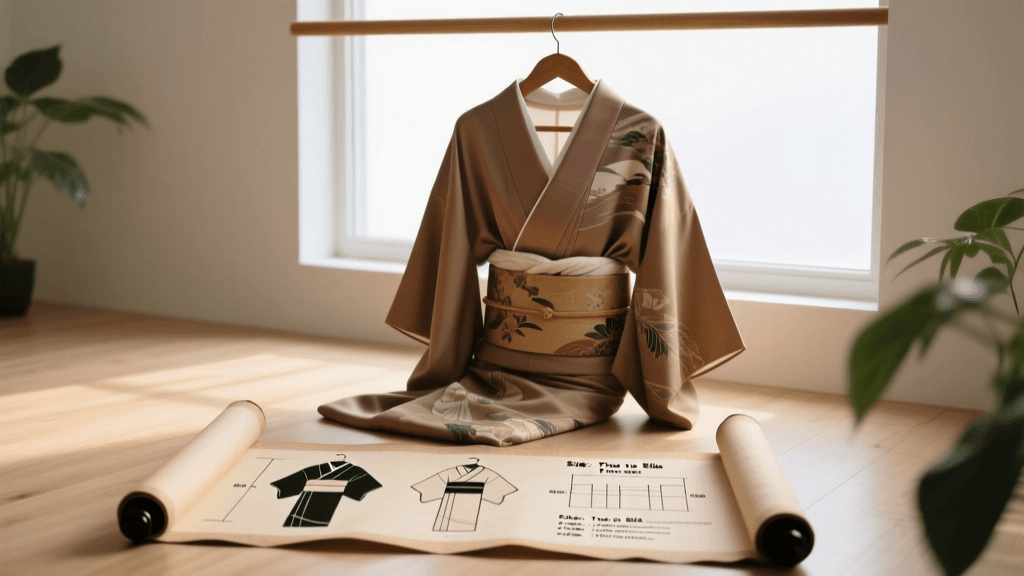
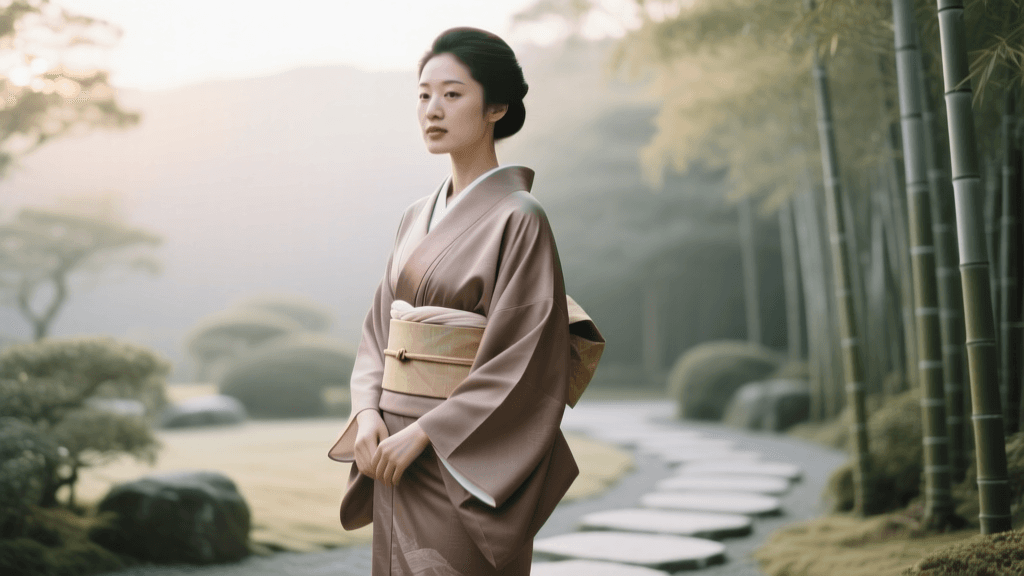
Japanese traditional clothing is deeply intertwined with the natural world. The concept of shiki (four seasons) dictates not just the motifs woven into the fabric, but the very structure, weight, and layering of the garments. According to the Victoria and Albert Museum, the kimono is a T-shaped, straight-lined robe that relies on precise layering and folding to achieve its iconic silhouette. However, dressing for Japan's intensely humid summers and biting, dry winters requires a mastery of seasonal layering techniques, specific undergarments, and an understanding of historical wardrobe transitions.
The Rule of Koromogae: Timing Your Wardrobe
Historically practiced in the Heian period court, koromogae is the traditional bi-annual wardrobe transition. While modern fashion is fluid, traditional kimono dressing adheres to strict seasonal calendars to ensure the wearer is both comfortable and culturally appropriate.
- October 1st: The official transition to winter wear (awase), where fully lined garments are brought out of storage.
- June 1st: The transition to summer wear, shifting to unlined (hitoe) and eventually sheer (natsugi) garments.
Because Japan's rainy season (tsuyu) occurs in June and September, these months act as transitional periods where unlined garments provide the perfect balance of breathability and modest coverage.
Understanding Kimono Seasonality: Fabric and Structure
Choosing the correct kimono shell is the first step in seasonal dressing. The The Metropolitan Museum of Art notes that historical Japanese dress relied heavily on the manipulation of silk weaves to combat shifting climates. Below is a practical guide to seasonal kimono types, fabrics, and current market costs for collectors and practitioners.
| Garment Type | Lining Structure | Months Worn | Common Fabrics | Avg. Cost (USD) |
|---|---|---|---|---|
| Awase | Fully lined (silk/synthetic) | October - May | Chirimen (crepe), Tsumugi (pongee) | $150 - $500 |
| Hitoe | Unlined (single layer) | June & September | Ko-chirimen, lightweight wool | $100 - $300 |
| Natsugi (Usuyama) | Sheer / Gauze weave | July - August | Ro, Sha, Asa (linen) | $120 - $400 |
Essential Layering Pieces and Measurements
The kimono itself is only the outermost layer. The foundation of seasonal dressing lies in the undergarments, which regulate temperature and protect the expensive outer silk from body oils and sweat.
The Three-Piece Foundation
- Hadajuban: The innermost camisole or wrap top. In winter, opt for brushed cotton or thermal blends ($20-$40). In summer, use asa (linen) or specialized cooling synthetic meshes ($30-$50).
- Susoyoke: A half-slip worn around the lower body to prevent friction and provide modesty under sheer summer garments. Cost: $25-$60.
- Nagajuban: The secondary robe that provides the visible white collar (han-eri). A winter juban is lined and often made of warm silk or synthetic crepe, while a summer juban features ro (gauze) weaves to allow heat to escape. Cost: $50-$200.
Crucial Dressing Measurements
When dressing the juban, the eri-nuki (the space at the back of the neck) must allow exactly one fist's width (approximately 8 cm) of space between the collar and the skin. This gap is essential for ventilation in summer and prevents the collar from choking the wearer in winter when thicker collars are used. The front collar must cross deeply, showing exactly 2 to 3 cm of the white han-eri against the neck.
Practical Dressing Techniques for Winter
Winter kimono dressing is an exercise in managing bulk. Traditional awase kimono are heavy, but they are not inherently windproof or insulated against modern sub-zero temperatures.
- The Modern Thermal Hack: Most modern kimono dressers wear Uniqlo Heattech or similar thermal base layers. However, standard crew-necks will ruin the kimono's deep V-neckline. You must use a deep V-neck thermal shirt that drops at least 15 cm (6 inches) below the collarbone to remain completely hidden beneath the juban.
- Managing Obi Bulk: In winter, the layers of hadajuban, juban, and thermal wear create a thick ridge around the waist. Before tying the obi, use a wide, elastic date-jime (tying belt) to compress the layers flat against the torso. This ensures the obi sits smoothly without bulging.
- Footwear: Swap traditional cotton tabi for fleece-lined winter tabi. Pair them with zori sandals featuring leather or vinyl straps, as traditional fabric straps can freeze and become brittle in the snow.
Practical Dressing Techniques for Summer
Summer in Japan is notoriously hot and humid. The Japan National Tourism Organization highlights that traditional summer garments like the yukata and ro kimono are specifically engineered for maximum airflow and moisture management.
- The Chimney Effect: When tying the koshi-himo (cotton tying cords) around the waist, tie them firmly to secure the garment, but leave the lower torso of the juban slightly loose. This creates a 'chimney effect,' allowing cool air to enter from the hem and travel upward, venting heat through the open collar.
- Sweat Management: Avoid cotton koshi-himo in peak summer, as they absorb sweat, swell, and tighten painfully around the ribs. Instead, use silk or specialized cooling mesh cords. Apply traditional ashi-bi (cooling powders) or modern menthol cooling wipes to the back of the neck and inner elbows before dressing.
- Sheer Layering: When wearing a sheer ro or sha kimono, the undergarments become a visible part of the outfit. Choose a juban in a complementary cool tone (like pale blue or mint) to visually and physically enhance the cooling aesthetic.
Seasonal Obi and Accessory Coordination
The obi and its accessories are the final layer, and they too are subject to strict seasonal rules.
- The Obi: In winter and spring, the fukuro obi (a heavy, fully lined, formal brocade sash) is preferred. In summer, the hakata-ori (a tightly woven, unlined silk from Fukuoka) or sheer ra gauze obis are mandatory for breathability.
- Obijime (Decorative Cord): Use thick, rounded velvet or heavily braided silk cords in winter to add visual weight and warmth. In summer, switch to flat, thinly woven silk ribbons or bamboo-blended cords.
- Obidome (Brooch): Winter calls for warm, opaque materials like coral, amber, tortoiseshell, or carved wood. Summer demands transparent, cooling materials like cut glass, jade, or agate.
Conclusion
Mastering kimono layering is about more than just following a calendar; it is a tactile engagement with the changing environment. By understanding the structural differences between awase and hitoe, utilizing modern thermal and cooling hacks, and respecting the precise measurements of the collar and hem, wearers can honor the deep seasonal philosophy of Japanese dress while remaining comfortable in any climate.