Kimono Dress Codes: A Guide to Formal Occasions & Etiquette
The Philosophy of TPO: Time, Place, and Occasion
In Japanese culture, the concept of TPO (Time, Place, Occasion) is the foundational pillar of sartorial elegance, particularly when it comes to traditional garments. Unlike Western formalwear, which often allows for broad personal interpretation, kimono dress codes are strictly codified. Every element—from the weave of the silk and the placement of the family crests (kamon) to the color of the collar and the style of the obi knot—communicates the wearer's age, marital status, and relationship to the event's host. Understanding these rules is essential for anyone looking to participate respectfully in Japanese cultural events. According to The Metropolitan Museum of Art, the kimono evolved from an undergarment into a complex canvas of social signaling during the Edo period, a legacy that remains intact in modern formal etiquette.
The Hierarchy of Formal Kimono
To navigate formal events, one must first understand the hierarchy of kimono types. The formality is generally dictated by the presence of family crests (five, three, or one), the dyeing technique (such as yuzen or komon), and the base color. Below is a comprehensive guide to the primary formal kimono categories.
| Kimono Type | Formality Level | Primary Wearer | Key Features | Best Occasions |
|---|---|---|---|---|
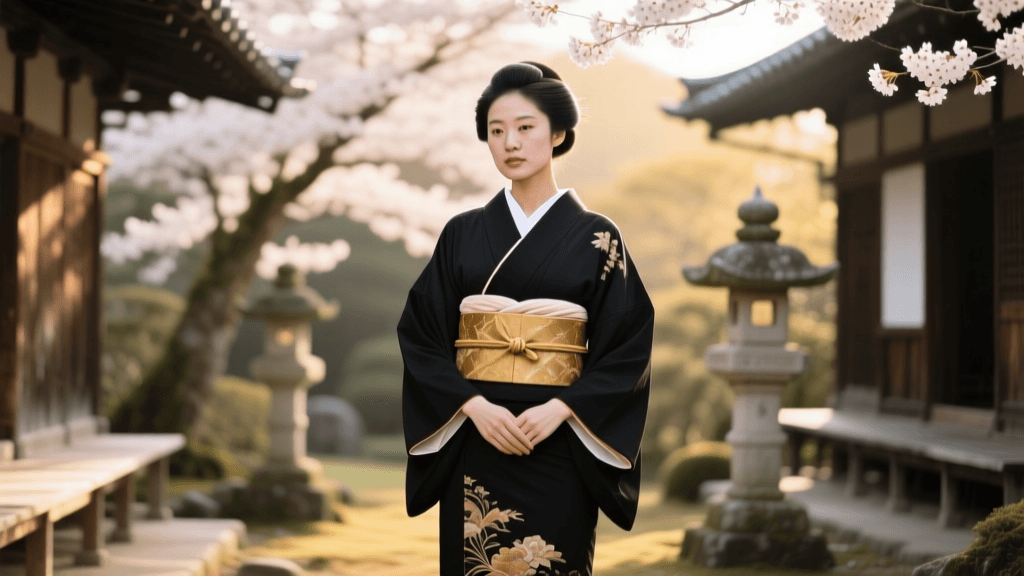
| Kurotomesode | Highest (Women) | Married women | Black silk, 5 crests, patterns only below the waist. | Weddings (mother of bride/groom), state banquets. |
| Furisode | Highest (Women) | Unmarried women | Long swinging sleeves (up to 114cm), vibrant full-body patterns. | Coming of Age Day, weddings (as guest/sister), tea ceremonies. |
| Homongi | High | Married & Unmarried | Continuous 'e-ba' patterns that flow across seams. 1 to 3 crests. | Wedding receptions, formal tea ceremonies, award ceremonies. |
| Tsukesage | Semi-Formal | Married & Unmarried | Patterns do not cross seams; concentrated on hem and sleeves. | Graduation ceremonies, formal dinners, cultural gatherings. |
| Iromuji | Semi-Formal | Married & Unmarried | Solid dyed color (no black), subtle woven patterns, 1 to 3 crests. | Tea ceremonies, graduation ceremonies, visiting shrines. |
| Komon | Casual | Married & Unmarried | Repeating small patterns across the entire garment. No crests. | Everyday wear, casual dining, sightseeing, summer festivals. |
Dress Codes for Specific Formal Occasions
Attending a Japanese Wedding
Weddings are the most common occasion where strict kimono etiquette is enforced. If you are a close female relative of the bride or groom, a kurotomesode (for married women) or a furisode (for unmarried women) is mandatory. As a standard guest, a homongi or tsukesage is appropriate. Crucially, guests must avoid wearing white, ivory, or predominantly pale colors that could be mistaken for the bride's shiromuku or uchikake. Furthermore, avoid overly flashy gold or silver obi knots that might upstage the couple. The Victoria and Albert Museum highlights that the visual harmony of a Japanese wedding relies heavily on the subdued elegance of the guests contrasting with the opulent garments of the bridal party.
Formal Tea Ceremonies (Chakai)
The tea ceremony demands modesty, subtlety, and a deep respect for the host and the season. Flashy furisode or heavily embroidered obi are considered inappropriate, as they distract from the serene atmosphere and the aesthetics of the tea room. Women typically wear an iromuji or a subtle tsukesage in muted, seasonal colors. The obi should be tied in a simple, flat knot (like the taiko musubi) rather than a flamboyant butterfly knot. Jewelry, including watches and rings, must be removed before entering the tatami room to prevent scratching the precious tea bowls.
University Graduations
For university graduations, the standard attire for young women is a furisode or a medium-sleeved homongi paired with a hakama (a pleated, skirt-like garment worn over the kimono). The hakama is traditionally tied high, just below the bust, and is often adorned with subtle embroidery or woven patterns. Leather boots are a modern, acceptable, and highly popular footwear choice for graduation hakama, a trend that began in the Meiji era when female students adopted Western footwear for practicality.
Funerals and Mourning (Mofuku)
Funeral attire (mofuku) is strictly regulated. Immediate family members wear plain, unpatterned black silk kimono with five white family crests. The obi, obijime (cord), and obiage (sash) must also be solid black. Non-family attendees may wear subdued, dark-colored kimono (such as deep navy or charcoal grey) with one to three crests, paired with a black or dark grey obi. White tabi socks are worn, but the zori sandals must be plain black with black straps. Exhibitions detailing the cultural weight of mourning dress, such as those at the Smithsonian National Museum of Asian Art, emphasize how the stark contrast of black silk and white crests visually unites the grieving family.
Unbreakable Rules of Kimono Etiquette
Beyond selecting the correct garment, the physical act of wearing the kimono is governed by strict rules. Violating these can cause significant offense or social embarrassment.
- The Collar Rule (Hidari-Mae): The left side of the kimono collar must always overlap the right side. Wrapping the right side over the left is strictly reserved for dressing the deceased for burial. This rule applies to all genders and all layers of clothing.
- The Back Neck Drop (Nuki): For women, the back of the collar must be pulled down to expose the nape of the neck. The ideal gap is exactly one fist's width (approximately 8 to 10 centimeters). A collar pulled too tight against the neck is considered unrefined, while dropping it too low is viewed as overly provocative.
- The Waist Fold (Ohashori): Because kimono are made in standard lengths, the excess fabric is folded at the waist to adjust the hemline. This fold, the ohashori, must be visible, straight, and parallel to the floor. It should ideally sit just below the obi. A missing or messy ohashori indicates poor dressing skills and is considered highly informal.
- Footwear and Tabi: Bare feet or modern socks are never worn with formal kimono. Split-toe tabi socks are mandatory. For formal occasions, tabi must be pristine, pure white cotton. Patterned or colored tabi are strictly for casual wear or specific theatrical performances.
Seasonal Rules and Fabric Guidelines
Japanese aesthetics are deeply intertwined with the changing seasons, and kimono fabrics are strictly categorized by the time of year. Wearing a summer fabric in winter, or a lined garment in the peak of August, is a major faux pas.
- Awase (Lined Kimono): Worn from October through May. These kimono feature a silk lining for warmth and structure.
- Hitoe (Unlined Kimono): Worn during the transitional months of June and September. The absence of a lining makes it lighter and more breathable.
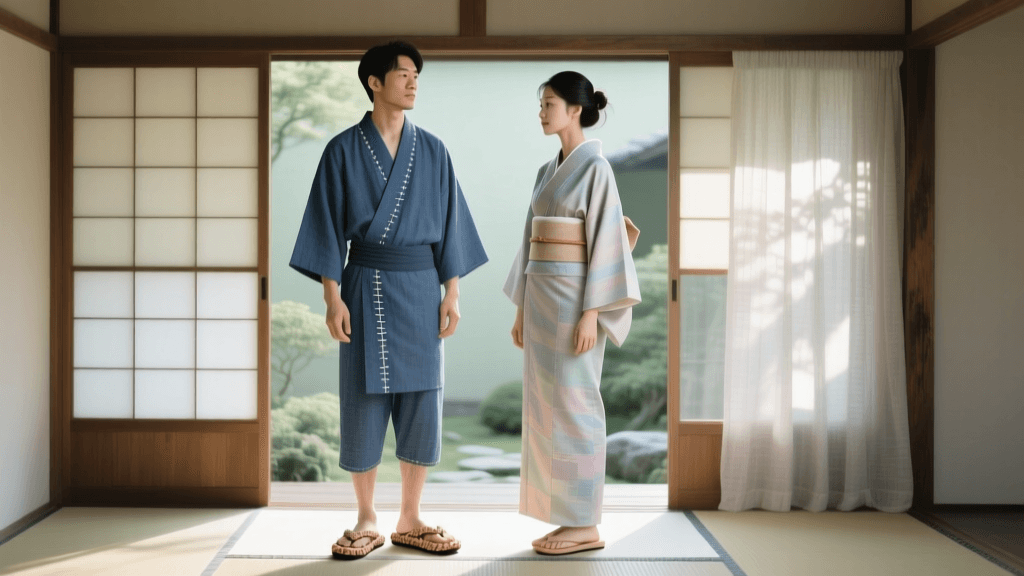
- Ro and Sha (Sheer Summer Kimono): Worn exclusively in July and August. These are made from sheer, gauze-like silk or linen. When wearing ro or sha, the undergarments (nagajuban) must also be made of sheer summer fabrics to maintain visual harmony.
Practical Advice: Renting vs. Buying Formal Kimono
Authentic silk kimono are significant investments. A new, high-quality homongi can easily cost between 300,000 JPY and 800,000 JPY ($2,000 to $5,500 USD), while a formal furisode often exceeds 1,000,000 JPY. For visitors to Japan or those who attend formal events infrequently, renting is the most practical and cost-effective option.
In major cultural hubs like Kyoto and Tokyo, a full-day rental package for a formal kimono—including the garment, obi, all necessary undergarments, tabi, zori, and professional dressing assistance—typically costs between 10,000 JPY and 35,000 JPY ($70 to $240 USD). When booking a rental for a formal event like a wedding or tea ceremony, you must explicitly state the nature of the event to the rental shop. Shops will curate the appropriate formality level and ensure the family crests (if applicable) do not accidentally match or conflict with the host's family crests. Always book at least four to six weeks in advance, especially during peak seasons like the November autumn foliage or the March cherry blossom season, when premium formal garments are in high demand.