Everyday Japanese Casual Wear: Yukata, Jinbei, and Samue Guide
The Shift Toward Everyday Traditional Wear
When most people think of traditional Japanese clothing, the image of a formal, multi-layered silk kimono worn for weddings or tea ceremonies comes to mind. However, Japan has a rich history of practical, everyday traditional garments designed for comfort, breathability, and ease of movement. In recent years, there has been a massive resurgence in wearing these casual garments not just at summer festivals, but as everyday loungewear, remote-work attire, and casual streetwear. According to the Japan National Tourism Organization (JNTO), the integration of traditional casual wear into modern daily life represents a beautiful bridge between Japan's artisanal past and its contemporary lifestyle.
This guide explores the three pillars of everyday Japanese casual wear: the Yukata, the Jinbei, and the Samue. We will break down their histories, fabric compositions, sizing measurements, and practical costs, providing you with actionable advice on how to incorporate them into your modern wardrobe.
Yukata: The Breathable Summer Staple
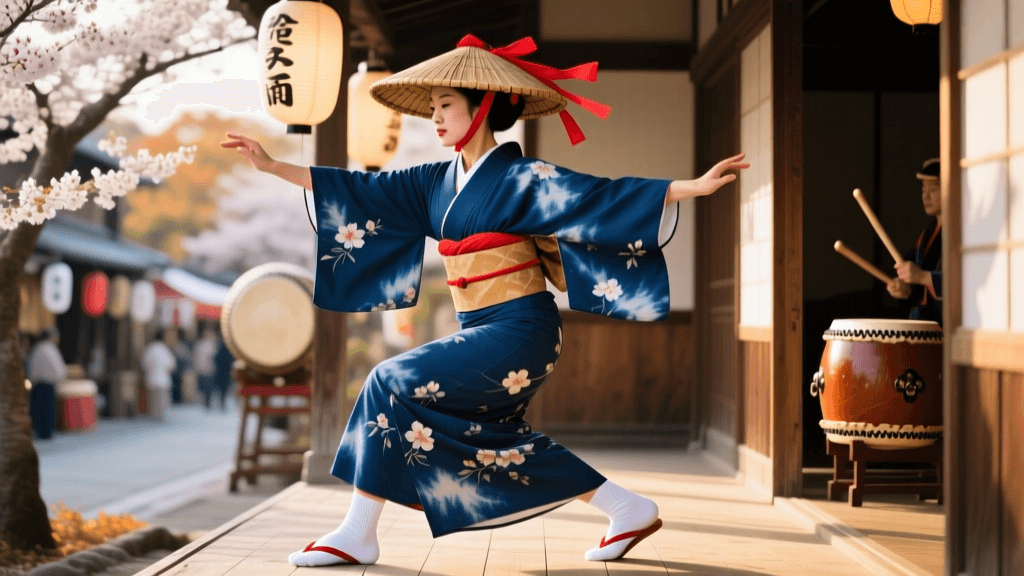
Originally developed in the Heian period (794–1185) as a lightweight linen bathrobe for the nobility, the yukata evolved during the Edo period into the quintessential cotton summer garment. Today, it is the most accessible form of traditional Japanese clothing.
Fabric, Fit, and Styling
Unlike formal kimono, which require complex undergarments (juban) and stiff collars, the yukata is worn directly over basic undergarments. It is typically made from lightweight, breathable cotton or cotton-blend fabrics. For everyday casual wear around the house or for a quick trip to a local convenience store, a simple hanhaba obi (half-width sash) tied in a basic bunko (bow) knot is sufficient.
- Measurements: Standard adult yukata lengths range from 130cm to 145cm. The garment is meant to be longer than your height; the excess fabric is folded at the waist into an ohashori (a horizontal tuck) to adjust the hemline to the ankle.
- Sleeve Width: Standard sleeve drops are around 45cm to 50cm, allowing for excellent airflow in humid weather.
- Cost: A high-quality, everyday cotton yukata set (including the garment and a basic sash) typically costs between 4,000 and 12,000 JPY ($25–$80 USD).
Jinbei: The Ultimate Summer Loungewear
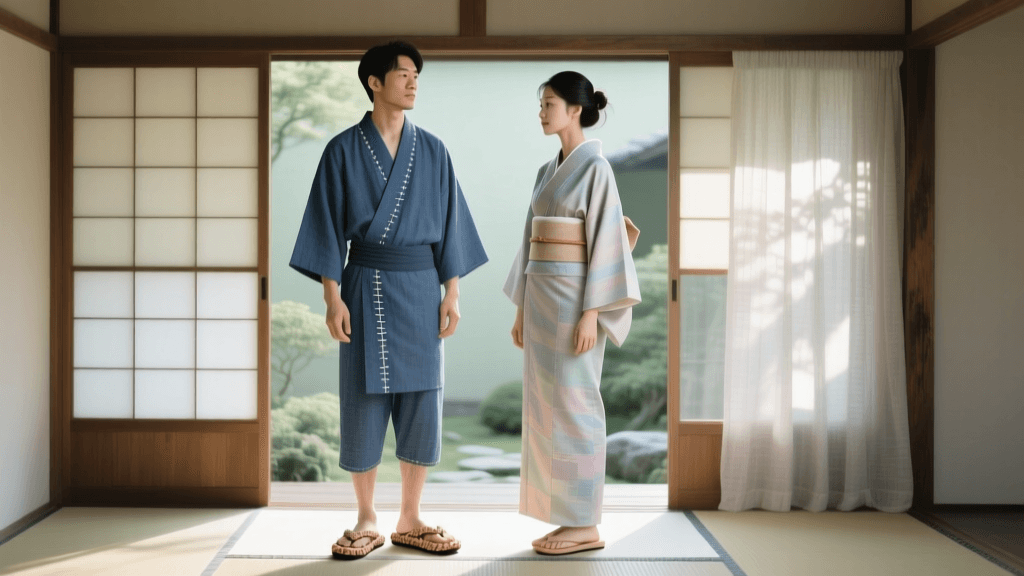
If the yukata is for casual outings, the jinbei is the undisputed king of Japanese summer loungewear and neighborhood errands. Originally worn by samurai as a quick-covering over their undergarments, the jinbei is a two-piece set consisting of a short-sleeved, kimono-style wrap top and matching shorts.
Design and Practicality
The genius of the jinbei lies in its simplicity. The top is secured by two sets of ties: one on the inside left, and one on the outside right. The shorts feature an elastic or drawstring waist, making them incredibly practical for modern living. As detailed in Japan Guide's comprehensive guide to traditional clothing, the jinbei's design eliminates the need for any sashes or complex tying techniques, making it the most user-friendly traditional garment available.
- Fabrics: Look for shijira-ori (a seersucker-like textured cotton weave from Tokushima) or wazarashi (traditional Japanese crinkled cotton). These fabrics do not cling to sweaty skin and dry incredibly fast.
- Cost: Authentic, domestically produced jinbei sets range from 5,000 to 15,000 JPY ($35–$100 USD), depending on the complexity of the dye (e.g., indigo or kurume-gasuri ikat).
Samue: From Zen Monasteries to Modern Studios
The samue translates literally to 'work clothes.' Originating as the daily labor attire for Zen Buddhist monks (who engaged in samu, or physical work like farming and sweeping), the samue has been adopted by modern artisans, chefs, potters, and remote workers as premium, year-round loungewear.
Year-Round Comfort and Craftsmanship
A samue consists of a long-sleeved, kimono-style jacket and loose-fitting, ankle-length trousers. Both pieces are secured with simple string ties. The jacket features a slightly deeper crossover lapel than the jinbei, providing more coverage and warmth.
- Summer Samue: Woven from hemp (asa) or lightweight linen-cotton blends. Hemp is naturally antimicrobial and highly breathable.
- Winter Samue: Lined with quilted cotton or made from heavy tsumugi (slubbed silk/cotton) to retain heat while working in unheated traditional workshops.
- Cost: Because samue require more fabric and complex tailoring than jinbei, expect to pay between 8,000 and 25,000 JPY ($55–$170 USD) for a set crafted by traditional workshops in regions like Kurume or Kyoto.
Comparison Chart: Choosing Your Casual Trad-Wear
| Garment | Best Season | Pieces | Primary Use Case | Avg. Cost (JPY) |
|---|---|---|---|---|
| Yukata | Summer | 1 (Wrap robe) | Festivals, casual streetwear, ryokan stays | 4,000 - 12,000 |
| Jinbei | Summer | 2 (Top & Shorts) | Loungewear, sleeping, neighborhood errands | 5,000 - 15,000 |
| Samue | Year-Round | 2 (Jacket & Pants) | Remote work, artisan crafts, temple visits | 8,000 - 25,000 |
Essential Accessories for Everyday Wear
To complete the casual traditional look, consider integrating these functional accessories into your daily routine:
- Setta (Footwear): Unlike the wooden geta worn with yukata at festivals, setta are traditional sandals with a leather sole and a woven bamboo or rush top. They are quiet, comfortable, and perfect for wearing around the house or on paved streets.
- Tenugui (Hand Towel): A 35cm x 90cm rectangular cotton cloth. Keep one in your kitchen for drying hands or dishes; its quick-dry nature makes it superior to terrycloth in humid climates.
- Kinchaku (Drawstring Bag): Since traditional garments lack deep pockets, a small cotton or rattan kinchaku is essential for carrying a smartphone, keys, and wallet.
Sizing, Fit, and Practical Adjustments
Buying traditional Japanese clothing online can be daunting due to the sizing system. Instead of S, M, and L, garments are often categorized by mitake (back length) and yuki (arm span, measured from the center of the back of the neck to the wrist).
Actionable Sizing Advice:
- Measure your Yuki: Have a friend measure from the base of your neck (where the spine meets the shoulders), across your shoulder, and down to your wrist bone. A standard men's samue has a yuki of about 78-80cm, while women's typically range from 68-72cm.
- The Ohashori Rule (Yukata): If you are buying a yukata for casual wear, ensure the total length of the garment is at least 30cm longer than your floor-to-shoulder measurement. This guarantees you have enough fabric to create the ohashori fold, which prevents the hem from dragging and allows for waist adjustments after meals.
Care and Maintenance
The Agency for Cultural Affairs frequently highlights the importance of preserving traditional textile techniques, which starts with proper garment care at home. Fortunately, casual cotton and hemp garments are highly durable.
- Washing: Always wash cotton yukata, jinbei, and samue in cold water using a mild, neutral-pH detergent. Place the garment in a mesh laundry net to prevent the string ties from tangling or tearing the fabric.
- Drying: Never use a tumble dryer, as high heat will shrink the cotton and distort the wrap-style seams. Smooth out the wrinkles by hand and hang dry in a well-ventilated, shaded area. Direct sunlight will rapidly fade natural indigo and botanical dyes.
- Storage: Fold along the original seam lines. Traditional garments are cut in straight lines specifically so they can be folded into flat, uniform rectangles, making them incredibly space-efficient in modern closets.
Conclusion
Integrating traditional Japanese casual wear into your everyday life is not about cosplay; it is about embracing functional, sustainable, and deeply comfortable design. Whether you are slipping into a crisp linen samue for a day of working from home, or throwing on a textured cotton jinbei for a humid summer evening, these garments offer a tactile connection to centuries of artisanal craftsmanship while perfectly serving the demands of modern living.