The Ultimate Guide to Su, Shu, and Yue Embroidery
Introduction to China's Master Embroidery Traditions
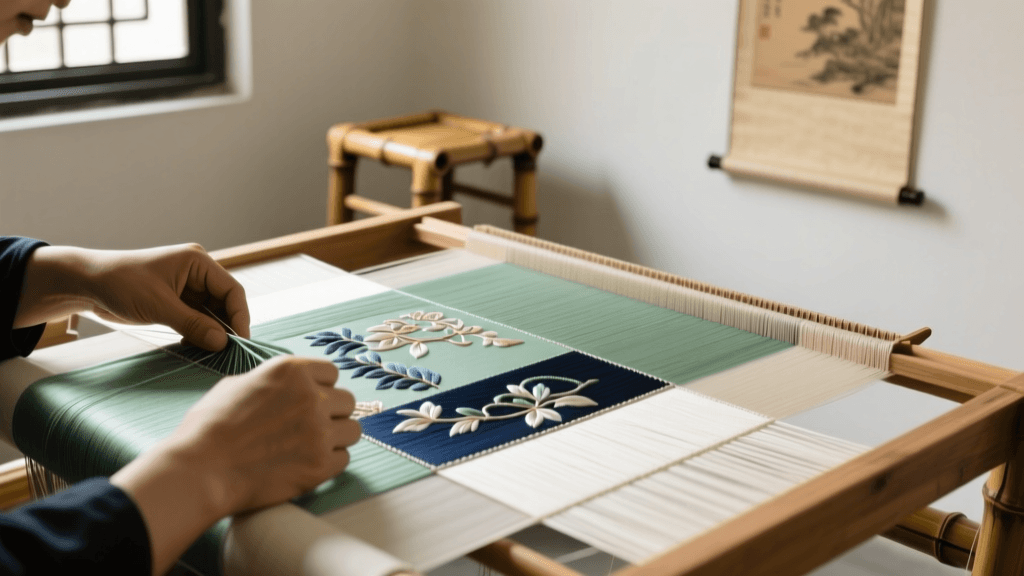
The rich tapestry of Chinese traditional clothing is inextricably linked to its regional embroidery and natural dyeing techniques. While China is famous for its 'Four Great Embroideries,' three distinct styles stand out for their unique technical approaches, historical significance, and application in traditional garments: Su Xiu (Suzhou), Shu Xiu (Sichuan), and Yue Xiu (Cantonese). Each style demands specific silk preparations, stitch methodologies, and complementary dyeing practices. According to the Metropolitan Museum of Art's Heilbrunn Timeline of Art History, Chinese textile arts have long served as a primary medium for cultural expression, social status, and artistic innovation, with regional variations reflecting local aesthetics and material resources.
For modern practitioners, hanfu enthusiasts, and textile historians, understanding the nuanced differences between these techniques is essential. This guide provides a deep dive into the actionable methods, material requirements, and preservation techniques for Suzhou, Sichuan, and Cantonese embroidery, alongside the traditional plant dyeing processes that give these garments their enduring color.
Su Xiu (Suzhou Embroidery): The Art of Delicacy
Originating in Jiangsu province, Su Xiu is celebrated for its meticulous delicacy, refined color palettes, and the illusion of painted realism. The hallmark of Suzhou embroidery is its incredibly fine thread work and the mastery of double-sided embroidery (Shuangmian Xiu), where the design is identical and flawless on both sides of a translucent silk organza base.
Thread Splitting and the Seed Stitch
The secret to the photorealistic quality of Su Xiu—particularly in rendering the fur of cats or the scales of koi fish—lies in the artisan's ability to split silk threads. A standard 2-ply silk filament is split into halves, quarters, eighths, and sometimes up to 1/48th of its original thickness. This allows for microscopic color blending directly on the fabric.
Another signature technique is the Luandizhen (seed stitch or scattered stitch), used to create seamless color gradients without visible directional lines. The stitches are placed in a seemingly random, scattered pattern that mimics the natural texture of skin, petals, or leaves.
Actionable Advice for Su Xiu Practitioners
- Fabric Selection: Use 16 to 19-momme silk satin for single-sided work, and 8 to 10-momme silk organza for double-sided embroidery. Pre-wash the fabric in lukewarm water with a pH-neutral detergent to remove factory sizing.
- Thread Preparation: Purchase high-quality 2-ply spun silk floss. To split the thread, use a damp sponge to gently separate the plies, then use a fine needle to separate the individual micro-filaments.
- Needle Sizing: Use size 12 or 14 embroidery needles for standard stitches. For 1/16th or 1/48th thread splits, switch to a size 10 or 12 beading needle to prevent the needle's eye from shredding the microscopic silk fibers.
Shu Xiu (Sichuan Embroidery): Satin Stitches and Bold Hues
Shu Xiu, hailing from Chengdu in Sichuan province, is historically recognized for its practical applications, bold colors, and distinct stitch textures. Unlike the delicate pastels of Suzhou, Shu Xiu often features deep, saturated colors and themes drawn from local ecology, such as pandas, carp, and lotus flowers. It is heavily reliant on the satin stitch and the chevron stitch, creating a textured, almost sculptural surface on the fabric.
The Halo Stitch and Structural Tension
A defining characteristic of Shu Xiu is the Yunzhen (halo stitch), which is used to create vibrant, radiating color gradients. The stitches are laid down in concentric circles or radiating lines, overlapping slightly to blend up to five or six distinct shades of a single color family. Furthermore, Shu Xiu traditionally utilizes a soft, locally produced silk satin that drapes beautifully, making it ideal for everyday hanfu garments, quilt covers, and decorative screens.
Actionable Advice for Shu Xiu Practitioners
- Hoop Tension: Because Shu Xiu relies heavily on long satin stitches, fabric tension is critical. Use a 10-inch or 12-inch wooden embroidery hoop with a tightening screw. Wrap the inner hoop with cotton twill tape to increase grip and prevent the 12-momme silk habotai from slipping.
- Stitch Length: Keep satin stitches under 10mm in length. If a design element requires a wider fill, use the 'long and short' stitch variation to anchor the threads and prevent them from snagging during wear.
- Color Blending: When executing the halo stitch, lay down your darkest shade first, followed by progressively lighter shades, overlapping the base of the new stitch over the tip of the previous one by at least 2mm.
Yue Xiu (Cantonese Embroidery): Gold, Silver, and Drama
Yue Xiu, or Cantonese embroidery from Guangdong province, is the most theatrical of the three. Historically used for opera costumes, ceremonial wedding jackets (Kwa), and temple decorations, Yue Xiu is characterized by its lavish use of gold and silver threads, vibrant contrasting colors, and complex, densely packed motifs like dragons, phoenixes, and peonies.
Couching and the Laid Thread Technique
The foundational technique of Yue Xiu is Dingjin (couching goldwork). Because traditional metallic threads are too thick and brittle to pass through the fabric, they are laid on the surface and secured with tiny, nearly invisible stitches using a fine silk thread. This creates a raised, three-dimensional effect, especially when the metallic threads are padded with cotton or wool yarn underneath.
Actionable Advice for Yue Xiu Practitioners
- Materials: Use Japanese or Chinese metallic passing thread (approximately 0.8mm in width) for the goldwork. For the couching thread, use a single ply of silk filament that matches the color of the metallic thread to hide the securing stitches.
- Needle Selection: Use a size 8 or 9 crewel needle for the couching thread. Never attempt to pierce the metallic thread itself with a needle, as this will strip the metallic foil from its core.
- Spacing: Couch the metallic thread at regular intervals of 3mm to 4mm. When working curves, reduce the spacing to 2mm on the inside of the curve to prevent the metal thread from buckling or lifting off the fabric.
Traditional Dyeing Pairings: Indigo, Madder, and Lotus
Embroidery is only half of the textile equation; the base fabric's dye provides the crucial canvas. Traditional Chinese dyeing relies on botanical sources, requiring specific mordants and pH balances to achieve colorfastness on silk and hemp.
- Indigo (Lan Cao): Used for the deep blues seen in Shu Xiu backgrounds. A traditional cold-water indigo vat requires a pH between 9 and 11, maintained with calcium hydroxide, and a reducing agent like fructose or henna. The fabric is dipped multiple times, oxidizing in the air between dips to build a deep, colorfast navy.
- Madder Root (Qian Cao): Provides the rich reds and terracottas essential for Yue Xiu ceremonial wear. Madder requires a mordant of alum (potassium aluminum sulfate) at a ratio of 15g per liter of water. The dye bath must be kept below 70°C; boiling madder extracts brown pigments and muddies the red.
- Lotus Root and Walnut: Used in Su Xiu to create the muted, elegant greys, taupes, and soft browns that serve as backgrounds for delicate floral motifs. These tannin-rich dyes require an iron mordant to darken and shift the color palette towards cool, sophisticated neutrals.
Comparative Analysis: Su vs. Shu vs. Yue Embroidery
Understanding the technical and aesthetic differences between these regional styles helps collectors, designers, and practitioners choose the right technique for their specific garment or project. The UNESCO Intangible Cultural Heritage registry highlights the importance of preserving these distinct regional sericulture and embroidery practices.
| Feature | Su Xiu (Suzhou) | Shu Xiu (Sichuan) | Yue Xiu (Cantonese) |
|---|---|---|---|
| Primary Stitch | Seed stitch, flat stitch, double-sided | Satin stitch, halo stitch, chevron | Couched goldwork, laid thread |
| Thread Material | Micro-split 2-ply silk filament | Standard silk floss, soft satin | Metallic passing thread, thick silk |
| Color Palette | Pastels, muted tones, subtle gradients | Bold, saturated, high contrast | Vibrant, metallic gold/silver accents |
| Common Motifs | Cats, koi, delicate plum blossoms | Pandas, carp, lotus, mountains | Dragons, phoenixes, peonies |
| Best Garment Use | Ceremonial robes, delicate hair accessories | Everyday hanfu, quilt covers, wraps | Wedding jackets (Kwa), opera costumes |
Practical Care and Preservation of Embroidered Silk
Garments featuring Su, Shu, or Yue embroidery require specialized care to maintain their structural integrity and color vibrancy. Silk is a protein fiber that is highly susceptible to UV degradation, moisture, and improper storage.
Conservation Rule of Thumb: Never fold an embroidered silk garment along the stitched lines. The tension of the embroidery threads will cause the silk base to tear over time if stored under pressure.
- Cleaning: Avoid dry cleaning unless absolutely necessary, as harsh chemicals can strip the natural sericin from the silk and tarnish Yue Xiu metallic threads. Spot clean with distilled water and a microfiber cloth.
- Storage: Store garments flat in archival-quality, acid-free boxes. Stuff the folds with unbuffered, acid-free tissue paper to prevent hard creases. For heavy Yue Xiu wedding jackets, use padded hangers with wide, curved shoulders to support the weight of the goldwork.
- Environment: Maintain a stable environment with a temperature of 65-70°F (18-21°C) and a relative humidity of 45-55%. Keep the garments in complete darkness to prevent the botanical dyes (like indigo and madder) from fading.
By mastering the distinct techniques of Suzhou, Sichuan, and Cantonese embroidery, and pairing them with historically accurate natural dyes, modern artisans and hanfu enthusiasts can keep these profound Asian traditions alive. Whether you are splitting a silk thread into 48 microscopic strands for a Su Xiu koi fish, or couching gold thread for a Cantonese bridal jacket, the dedication to these ancient methods ensures the continued legacy of China's textile mastery.